|
 |
 | | | | | | |||||||||||||||||||||||||||||||||||||||||||||||||||||||||||||||||||||||||||||||||||||||||||||||||||||||||||||||||||||||||||||||||||||||||||||||||||||||||||||||||||||||||||
| | | You are in: Africa | |||||||||||||||||||||||||||||||||||||||||||||||||||||||||||||||||||||||||||||||||||||||||||||||||||||||||||||||||||||||||||||||||||||||||||||||||||||||||||||||||||||||||||||
|
| | Tuesday, 14 January, 2003, 15:53 GMT Finding a voice in Morocco  Women take their seats alongside men
For example: when the women get together in committees, instead of discussing policy, they will be exchanging recipes and the names of their dressmakers. It is the Moroccan male's way of coming to terms with the greater public presence of women here, particularly in one of the last male bastions - politics. But the women are not intimidated. The 35 elected MPs have a higher level of education than their average male counterpart, and most of them have had to work harder than the men to get there.
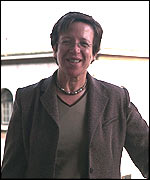
"When I started in politics there were very few women," says Nezha Skalli, a new MP for the Progress and Socialism Party (PPS). "We fought and fought, and tried to explain that our country couldn't become developed without women participating in democracy." A dynamic 52-year-old pharmacist, Nezha joined Morocco's former communist party at the age of 19. Finding that women had particular problems that were not being addressed - like their legal status - she shifted her focus from equality of the classes to equality of the sexes. In 1985 she co-founded the Democratic Association of Moroccan Women. Women's list It was months of lobbying by associations like hers, and political activists, that finally led to an agreement by all the parties to have a women's list. For Nezha, who had stood for parliament many times without success, it was an historic victory.
It is the perception of women as honest and hard-working that has led many Moroccans to vote for them, believes 39-year-old Sumia Ben Khaldoune, recently elected for the Islamist Party of Justice and Development (PJD). "I noticed this when I was campaigning," she says. "People would say: we've been disappointed by men for so many years. They promise all kinds of things. Then when they're elected they just think about themselves: getting money, a house and a car. Women at least are honest."
Sumia is married, with four children living at home. She also has a doctorate in software engineering, and taught at university before being elected. She had been in the Islamist movement since she was 18, and she runs two women's associations. Sumia appears to lack the hard-nosed ambition of the average politician. But she is also smart and focussed about her new role. "There's no reason why, just because we're women, we should occupy ourselves solely with women's issues. No, we are ordinary MPs, with the same capacity as male MPs," she says. It is too early to say whether the female MPs will have a different approach to politics than the men. Nezha Skalli would like all 35 of them to get together to discuss issues relating to women. Reform of the moudouwana One of the most pressing issues for women is reform of the moudouwana, the family law governing marriage and divorce. The previous socialist-led government tried to introduce radical changes to it in 2000 - such as raising the age of marriage for girls from 15 to 18, and outlawing polygamy. But the government withdrew the bill after the PJD opposed it in parliament, and after the country's various Islamist movements organised a massive rally in Casablanca against it.
"The PJD did attack us when the bill was introduced, saying we were against Islam, but even they say they want to resolve the injustices against women," she says. Sumia accepts that the moudouwana does need reform, and says her party has put forward several proposals to the Royal Commission. She even agrees that it is an issue the women MPs could get together and discuss, although she does look a little sceptical. Women's expectations It will be interesting to see whether the 35 women MPs do indeed bring a culture of dialogue and diligence to Moroccan politics. What is clear is that they do not take their new responsibility lightly.
"What we have in common is that we carry the expectations of women," says Nezha. "Women in Morocco have suffered a lot of injustice, and they continue to do so every day, and they expect us to give them justice and find solutions to their problems." Sumia feels they have an added task: "These 35 women must prove they have ability, so that in future we won't need a quota: people will vote for the best person, whether a man or woman." A full version of this article appears in the January-March 2003 issue of | | See also:  10 Aug 00 | Africa 09 Nov 02 | Country profiles 27 Sep 02 | Africa 12 Mar 00 | Africa 12 Mar 00 | Africa Internet links: The BBC is not responsible for the content of external internet sites Top Africa stories now: Links to more Africa stories are at the foot of the page. | |||||||||||||||||||||||||||||||||||||||||||||||||||||||||||||||||||||||||||||||||||||||||||||||||||||||||||||||||||||||||||||||||||||||||||||||||||||||||||||||||||||||||||
 | |
|  E-mail this story to a friend E-mail this story to a friend |
| |
| Links to more Africa stories |
| | | ||
 | ||||
 | | Back to top
| ||
| ---------------------------------------------------------------------------------- To BBC Sport>> | To BBC Weather>> | To BBC World Service>> ---------------------------------------------------------------------------------- © MMIII | News Sources | Privacy |






 There's no reason why, just because we're women, we should occupy ourselves solely with women's issues