|
 |
 | | | | | | |||||||||||||||||||||||||||||||||||||||||||||||||||||||||||||||||||||||||||||||||||||||||||||||||||||||||||||||||||||||||||||||||||||||||||||||||||||||||||||||||||||
| | | You are in: Africa | |||||||||||||||||||||||||||||||||||||||||||||||||||||||||||||||||||||||||||||||||||||||||||||||||||||||||||||||||||||||||||||||||||||||||||||||||||||||||||||||||||||||
|
| | Tuesday, 19 November, 2002, 18:42 GMT Bomb scares cause panic in Ivory Coast 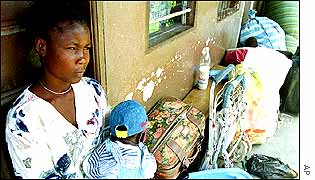 Immigrants have been fleeing the country Two bomb alerts have caused panic in the main city of Abidjan in Ivory Coast. One incendiary device was exploded safely by the army, while the other, at the main French school in the city, turned out to be a false alarm.
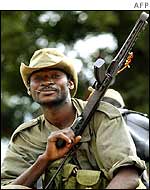
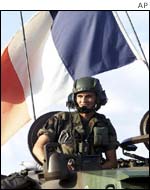
Ivory Coast has been divided in two since a mutiny broke out two months ago, with French peacekeepers manning a line of control running across the country. 'Blue smoke' The alert was given at 1400GMT in a popular district of Abidjan after two men drove by and threw an object which emitted blue smoke. The area was cordoned off by police, gendarmes and firemen. An army marksman was brought to the scene and exploded the incendiary device from a distance. A bystander said there was a "huge noise" similar to heavy mortar. Police and gendarmes would not comment or speculate on the possible targets of the device, but it was thrown in the vicinity of a petrol station run by the French company Elf, and a Christian church. Anti-French A few hours earlier, there was a false alert at the French lycee in another district of Abidjan.
Speaking on state television, he had also called on Ivorians to take part in a patriotic march on 2 December. He had told people to seek out the opposition leader, Alassane Ouattara, who found refuge at the French embassy at the beginning of the uprising in September. Displaced More than 200,000 people are now estimated to have fled their homes across the Ivory Coast since the conflict erupted, the UN refugee agency said on Tuesday. Immigrants and refugees in particular are expressing growing concern about their safety in the Ivory Coast. According to the UNHCR, some 40,000 have been affected by the bulldozing of shanty towns in Abidjan. Non-governmental organisations say police and gendarmes there have destroyed 13 shanty towns and up to 30 more have been listed for demolition. In the government-controlled south of the country, immigrants, refugees and Ivorians suspected of having rebel sympathies are being targeted. Sometimes shanty towns have been destroyed without notice, with bulldozers parked outside communities as a warning to the residents that they should move elsewhere, the UNHCR says. Many families have been left living on top of their flattened homes. Peace plans In Togo, Ivory Coast rebels have submitted new proposals to mediators trying to end the two-month dispute with the government. Peace talks have been taking place in Togo for more than two weeks, but little progress has been made. The proposals are a reaction to the peace plan released last week by the West African body, Ecowas, which makes provision for territorial integrity and respect for the constitution. The rebels have been asking for a review of the constitution adopted two years ago, as well as President Laurent Gbagbo's departure and fresh elections. | |
See also:  18 Nov 02 | Africa 18 Nov 02 | Africa 16 Nov 02 | Africa 14 Nov 02 | Africa 11 Nov 02 | Africa 10 Nov 02 | Africa Internet links: The BBC is not responsible for the content of external internet sites Top Africa stories now: Links to more Africa stories are at the foot of the page. | |||||||||||||||||||||||||||||||||||||||||||||||||||||||||||||||||||||||||||||||||||||||||||||||||||||||||||||||||||||||||||||||||||||||||||||||||||||||||||||||||||||
| |
|  E-mail this story to a friend E-mail this story to a friend |
| |
| Links to more Africa stories |
| | | ||
 | ||||
 | | Back to top
| ||
| ---------------------------------------------------------------------------------- To BBC Sport>> | To BBC Weather>> | To BBC World Service>> ---------------------------------------------------------------------------------- © MMIII | News Sources | Privacy |