|
 |
 | | | | | | |||||||||||||||||||||||||||||||||||||||||||||||||||||||||||||||||||||||||||||||||||||||||||||||||||||||||||||||||||||||||||||||||||||||||||||||||||||||||||||||||||||||||||||||
| | | You are in: Africa | |||||||||||||||||||||||||||||||||||||||||||||||||||||||||||||||||||||||||||||||||||||||||||||||||||||||||||||||||||||||||||||||||||||||||||||||||||||||||||||||||||||||||||||||||
|
| | Friday, 8 November, 2002, 19:18 GMT Mystery remains over Ivorian rebels 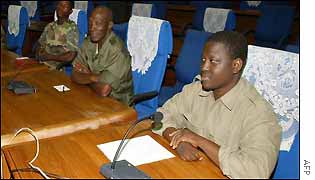 Rebels led by Guillaume Soro talk tough
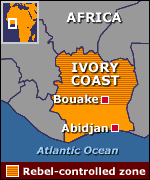
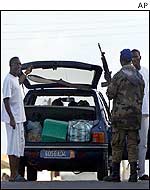
At the start of the Ivorian rebellion there were a few hundred mutinous troops, demanding back pay and refusing to be disbanded. As the movement spread and transformed itself into a rebellion against President Laurent Gbagbo, the country split into two. The large, mainly Muslim cities in the north are controlled by the rebels. It is difficult to know how much support the rebels have, even though thousands have watched parades or attended events in rebel-held cities like Bouake or Korhogo. It is clear though, that in the areas rebels control there is little support for President Laurent Gbagbo. The rebels are dominated by Muslims and northerners, while government supporters are dominated by Christians from the south. But the rebellion is more complex in that the rebels have some support from the Baoule people originally from the south and east and President Laurent Gbagbo's own tribe, the Bete, who hail from the west. Headless group? Nearly eight weeks on from the coup attempt, the rebellion still appears to have no leader.
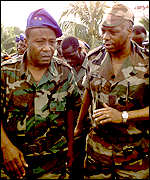
The Patriotic Movement of Ivory Coast (MPCI) has made its grievances and goals known through a number of spokesmen. The identity of the general-secretary was only revealed recently: Guillaume Soro, a former leader of the students union who went into exile in London in the 1990s. He heads the rebel delegation at the talks with the government representatives in Lome. Sergeant Tuo Fozie, another prominent spokesman for the rebels, has a military background. A bit of history To understand the latest events, one needs to go back to the final years of President Houphouet-Boigny, the father of the independence movement. He was content with a small army of 5,000 men and a strong gendarmerie to maintain order. But as his popularity declined over his years in power he strengthened his army under the command of General Robert Guei.
The chief of staff was gradually marginalised and then sacked, but he took his revenge when he seized power in December 1999, after a mutiny. He promised to reconcile Ivorians and was initially popular. Even the main opposition leader, former prime minister Alassane Ouattara, who was banned from contesting the elections, welcomed the coup. Mr Ouattara is a Muslim from the north and his nationality had been deemed "doubtful" by the authorities. However, General Guei then announced he would be a presidential candidate and Mr Ouattara was again excluded from running for president. At the time a group of officers, whose contribution had been instrumental during the coup, and supported Ouattara, broke with Guei. Many were from the north. They were discharged, some arrested and tortured. Revenge Guei tried to rig the elections, but Laurent Gbagbo was elected president. Four months after the inauguration a coup attempt was foiled, in which Sergeant Ibrahim Coulibaly, a former bodyguard of Mr Ouattara, was allegedly involved. This attempted coup proved a foretaste of the barracks mutiny on 19 September, which triggered the present rebellion.
According to Le Monde's Africa editor, Stephen Smith, many of these disgruntled military renegades based themselves in the Burkina Faso capital, Ouagadougou. They were able to buy uniforms, boots and a great quantity of arms as well as recruit in neighbouring countries and then in Ivory Coast. They pay the combatants cash, in order to avoid pillage and win the heart of the population. It is difficult to confirm where the money comes from, though the government suspects Burkina Faso. And Sergeant Coulibaly remains in Ouagadougou. | |
See also:  02 Nov 02 | Africa 01 Nov 02 | Africa 25 Oct 02 | Africa 23 Oct 02 | Africa 06 Nov 02 | Africa Internet links: The BBC is not responsible for the content of external internet sites Top Africa stories now: Links to more Africa stories are at the foot of the page. | |||||||||||||||||||||||||||||||||||||||||||||||||||||||||||||||||||||||||||||||||||||||||||||||||||||||||||||||||||||||||||||||||||||||||||||||||||||||||||||||||||||||||||||||
| |
|  E-mail this story to a friend E-mail this story to a friend |
| |
| Links to more Africa stories |
| | | ||
 | ||||
 | | Back to top
| ||
| ---------------------------------------------------------------------------------- To BBC Sport>> | To BBC Weather>> | To BBC World Service>> ---------------------------------------------------------------------------------- © MMIII | News Sources | Privacy |