|
 |
 | | | | | | |||||||||||||||||||||||||||||||||||||||||||||||||||||||||||||||||||||||||||||||||||||||||||||||||||||||||||||||||||||||||||||||||||||||||||||||||||||||||||||||||||||||||
| | | You are in: Africa | |||||||||||||||||||||||||||||||||||||||||||||||||||||||||||||||||||||||||||||||||||||||||||||||||||||||||||||||||||||||||||||||||||||||||||||||||||||||||||||||||||||||||||
|
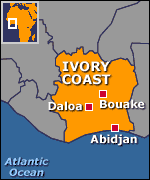
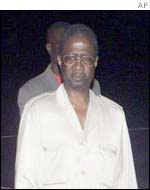
| | Wednesday, 16 October, 2002, 19:09 GMT 20:09 UK Ivorian rebels 'set to sign truce' 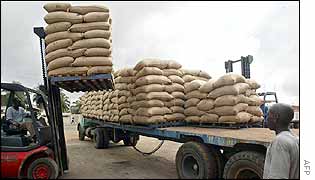 Cocoa prices have soared because of the rebellion Rebels who have taken nearly half of Ivory Coast in less than a month are ready to sign a ceasefire agreement with the government, Senegal's President Abdoulaye Wade has said. Representatives of both sides and West African mediators are expected in the rebel-held city of Bouake on Thursday to sign the accord.
The rebels had said on Tuesday that they did not believe President Laurent Gbagbo really wanted peace and that they had enough supplies to fight a two-year war to overthrow him. Glitch President Wade - who is also the current head of the Economic Community of African States (Ecowas) - said some issues remained to be settled ahead of the signing. "There's still a stumbling block over where the rebels will be encamped after the hostilities cease," he said in an interview with the French news agency AFP in Paris.
"President Gbagbo wants them sent back to barracks, but they want to remain in town." Under the Senegalese plan, a ceasefire and the encampment of the rebel troops would be followed by negotiations between the sides. Mediation Originally, Senegal's Foreign Minister Cheikh Tidiane Gadio was supposed to meet the rebels in Bouake on Wednesday. But neither Mr Gadio, nor the rebel leader, Tuo Fozie, were in Ivory Coast's second city for the talks.
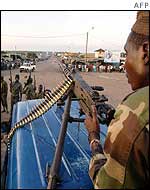
Mr Wade said Mr Gadio would now be leaving Abidjan for Bouake. "I'm praying that tomorrow, we will sign the peace accord," Mr Gadio told AP in Abidjan. "I'm not going to Bouake for anything else." Ecowas executive secretary Mohammed Ibn Chambas told AP he would also be in Bouake on Thursday for the signing. He said the West African mediators would be accompanied by a government minister who would sign on behalf of the government. Third chance The rebels initially withdrew from peace talks after receiving reports that Angola was giving Mr Gbagbo military support. Angola has denied any involvement, despite several reports that Angolan troops and armoured vehicles were involved in the fighting in Daloa, which government forces retook on Tuesday.
On Tuesday, the rebels said they did not trust President Gbagbo. "Gbagbo chose the path of war. We have the weapons, the supplies, the ammunition to fight for two years. We are going to wage war to the very end," a rebel leader, Guillaume Soro, told Reuters. Mr Soro, the newly named secretary-general of the Patriotic Movement of Ivory Coast (MPCI), said the rebels would not waste time on talks. "We can't waste time with negotiations, while Gbagbo is taking advantage to reinforce his positions," he said. He said the rebels wanted Mr Gbagbo to resign and a transitional government to be set up so fair elections could be organised. "Then the MPCI will step back," he said. Ultimatum Mr Gbagbo has said that his government accepts the mediators' proposals.
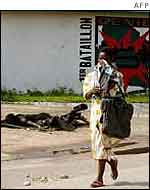
On Tuesday, he issued an ultimatum to the mutinous soldiers. Mr Gbagbo, who was speaking on state television, said the government would put an end to the uprising in a week, either by talking or by fighting. Ivory Coast is the world's largest producer of cocoa - the raw ingredient of chocolate - and the rebellion has sent prices soaring. | |
See also:  16 Oct 02 | Africa 16 Oct 02 | Business 15 Oct 02 | Africa 13 Oct 02 | Africa 12 Oct 02 | Africa 10 Oct 02 | Business Internet links: The BBC is not responsible for the content of external internet sites Top Africa stories now: Links to more Africa stories are at the foot of the page. | |||||||||||||||||||||||||||||||||||||||||||||||||||||||||||||||||||||||||||||||||||||||||||||||||||||||||||||||||||||||||||||||||||||||||||||||||||||||||||||||||||||||||
| |
|  E-mail this story to a friend E-mail this story to a friend |
| |
| Links to more Africa stories |
| | | ||
 | ||||
 | | Back to top
| ||
| ---------------------------------------------------------------------------------- To BBC Sport>> | To BBC Weather>> | To BBC World Service>> ---------------------------------------------------------------------------------- © MMIII | News Sources | Privacy |