|
 |
 | | | | | | ||||||||||||||||||||||||||||||||||||||||||||||||||||||||||||||||||||||||||||||||||||||||||||||||||||||||||||||||||||||||||||||||||||||||||||||||||||||||||||||||||||||||||||||||||||||||
| | | You are in: Africa | ||||||||||||||||||||||||||||||||||||||||||||||||||||||||||||||||||||||||||||||||||||||||||||||||||||||||||||||||||||||||||||||||||||||||||||||||||||||||||||||||||||||||||||||||||||||||||
|
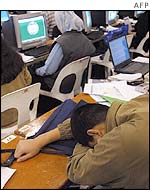
| | Thursday, 5 September, 2002, 10:52 GMT 11:52 UK Summit diary: Aftermath 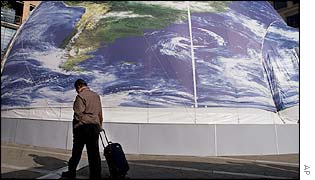 Most delegates truly care about summit issues
Alex Kirby concludes his diary from the World Summit on Sustainable Development in Johannesburg by considering the summit's impact on the way environmental issues are covered. In the old days of steam journalism, after cleft sticks had been phased out but before the advent of e-mail, there used to be a fairly sure-fire way of getting your story to the news desk. All it involved was the reporter, a telephone, and a sometimes rather fearsome figure in the newsroom called the copytaker. Redoubtable, dyed-in-the-wool copytakers were apt to cut brash young (and not so young) reporters down to size if their copy did not come up to scratch.
That sums up how a lot of us have felt these 10 days past, as the summit has trundled down the dusty byways of dwindling relevance (as it seemed from here). But one thought has kept us going - us being the broadcasters and the inkies, described here as "the written press" (I guess online journalists can be whichever species suits them at the time). The sustaining thought has been remembering the very large appetite at home for reports from the summit. New prominence Environment correspondents are used to being down-bulletin performers. We know we belong firmly in the back row of the chorus. We are used to having to struggle to make ourselves heard. But this has been an event involving colleagues with all kinds of special expertise, and some with none. It has not mattered whether you think you are an expert on climate change and biodiversity or not. What has mattered is the ability - and the stamina - to go on telling readers and listeners and viewers what is happening here, and what it may mean.
I have known times when it has been hard to persuade senior colleagues that the environment and development are worth covering at all. Readers interested I have often suspected, though, that audiences want to know more about both, not less. I do not just mean those who see things the way I do: I think people who disagree fundamentally with me are just as hungry for news, even if they interpret it quite differently. Most of the people who came to Johannesburg for the summit, be they delegate or activist, care about what has been discussed here. And millions of people who did not have the privilege of being at the summit care about it too. So although I feel disappointed at the outcome, I know there will be many people refusing to let Johannesburg be a full stop in making a different world. Is that it? Not by a long chalk. Read earlier instalments in Alex Kirby's summit diary: | |
See also:  02 Sep 02 | Africa Internet links: The BBC is not responsible for the content of external internet sites Top Africa stories now: Links to more Africa stories are at the foot of the page. | ||||||||||||||||||||||||||||||||||||||||||||||||||||||||||||||||||||||||||||||||||||||||||||||||||||||||||||||||||||||||||||||||||||||||||||||||||||||||||||||||||||||||||||||||||||||||
| |
|  E-mail this story to a friend E-mail this story to a friend |
| |
| Links to more Africa stories |
| | | ||
 | ||||
 | | Back to top
| ||
| ---------------------------------------------------------------------------------- To BBC Sport>> | To BBC Weather>> | To BBC World Service>> ---------------------------------------------------------------------------------- © MMIII | News Sources | Privacy |