|
 |
 | | | | | | |||||||||||||||||||||||||||||||||||||||||||||||||||||||||||||||||||||||||||||||||||||||||||||||||||||||||||||||||||||||||||||||||||||||||||||||||||||||||||||||||||||||||||||||||||||||||||||||
| | | You are in: Africa | |||||||||||||||||||||||||||||||||||||||||||||||||||||||||||||||||||||||||||||||||||||||||||||||||||||||||||||||||||||||||||||||||||||||||||||||||||||||||||||||||||||||||||||||||||||||||||||||||
|
| | Tuesday, 16 July, 2002, 09:08 GMT 10:08 UK Short stay for Zimbabwe reporter 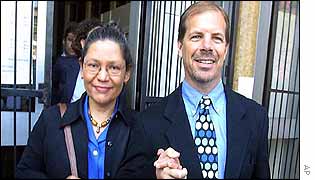 Andrew Meldrum must leave after 22 years in Harare The High Court has ruled that US journalist and Guardian correspondent Andrew Meldrum can remain in Zimbabwe until Wednesday. On Monday, he was given 24 hours to leave the country, despite being acquitted in a media test case.
In the meantime, the state lawyer promised to leave Mr Meldrum alone. "He will not be arrested or deported before that time," state prosecutor Yvonne Dondo assured the judge. In a similar case last year, BBC correspondent Joseph Winter was also promised that nothing would happen to him until the courts had decided his appeal against deportation. But secret policemen broke into his house during the middle of the night. Dashed Mr Meldrum has also appealed to Zimbabwe's home affairs minister, John Nkomo. He was informed of the decision to deport him four minutes after being found not guilty of "publishing falsehoods".
He said that his feelings of euphoria were quickly dashed. Information Minister, Jonathan Moyo told the French news agency, AFP that Mr Meldrum was being deported because "Meldrum is in violation of the conditions of his residence permit." But he did not give further details. Mr Meldrum, 50, was the first of a dozen journalists charged with offences relating to tough new media laws, passed by President Robert Mugabe days after his controversial March re-election. He told the BBC that his acquittal was "a great victory for press freedom in Zimbabwe". But he said the decision to deport him was another way of preventing him from doing his job. "The Mugabe government does not want to see me, or any other journalist... holding the government accountable for the good of all the people of this country." Planning ahead Three other foreign journalists have been deported from Zimbabwe since February 2001. Apart from Mr Meldrum, AFP is the only major media organisation to have non-Zimbabwean citizens currently working in Harare.
The US State Department spokesman Richard Boucher described Zimbabwe's decision to deport Mr Meldrum as, "not compatible with the internationally-recognised human rights of freedom of expression and freedom of the press". The Guardian's editor, Alan Rusbridger, has deplored the decision to deport Mr Meldrum. "The deportation order was signed on 3 July, suggesting there was never any intention of a just result," he said. Mr Meldrum was charged with publishing a story which later turned out to be untrue, now seen by the state as a crime punishable by up to two years in prison. In acquitting Mr Meldrum, magistrate Godfrey Macheyo accepted that he had tried to verify the story. "He acted like any other reasonable journalist in these circumstances," the magistrate said. During the trial, Mr Meldrum's lawyer had argued that the police had refused to comment on the story and so Mr Meldrum could not be held responsible. The defence had also unsuccessfully argued that as the story was published in Britain, in the Guardian newspaper, it was beyond the jurisdiction of Zimbabwean law and so all charges should be dropped. | |
See also:  15 Jul 02 | Africa 01 Jun 02 | From Our Own Correspondent 30 May 02 | Africa 08 May 02 | Africa 02 May 02 | Africa 15 Mar 02 | Africa 24 Feb 01 | From Our Own Correspondent Internet links: The BBC is not responsible for the content of external internet sites Top Africa stories now: Links to more Africa stories are at the foot of the page. | |||||||||||||||||||||||||||||||||||||||||||||||||||||||||||||||||||||||||||||||||||||||||||||||||||||||||||||||||||||||||||||||||||||||||||||||||||||||||||||||||||||||||||||||||||||||||||||||
| |
|  E-mail this story to a friend E-mail this story to a friend |
| |
| Links to more Africa stories |
| | | ||
 | ||||
 | | Back to top
| ||
| ---------------------------------------------------------------------------------- To BBC Sport>> | To BBC Weather>> | To BBC World Service>> ---------------------------------------------------------------------------------- © MMIII | News Sources | Privacy |