|
 |
 | | | | | | |||||||||||||||||||||||||||||||||||||||||||||||||||||||||||||||||||||||||||||||||||||||||||||||||||||||||||||||||||||||||||||||||||||||||||||||||||||||||||||||||||||||||||||||||||||||||||||||||||||||||
| | | You are in: Africa | |||||||||||||||||||||||||||||||||||||||||||||||||||||||||||||||||||||||||||||||||||||||||||||||||||||||||||||||||||||||||||||||||||||||||||||||||||||||||||||||||||||||||||||||||||||||||||||||||||||||||||
|
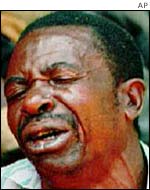
| | Wednesday, 19 June, 2002, 11:29 GMT 12:29 UK Rwanda tests genocide courts Up to 1 million people died in the 1994 genocide A new court system is being tested in Rwanda to clear the huge backlog of cases resulting from the genocide eight years ago. Eighteen hearings began on Wednesday, national radio reported. The BBC's Ishbel Matheson in Kigali says they will be a test of how feasible the new courts are. On Tuesday Rwandan President Paul Kagame, speaking at a ceremony to mark the launch, said the success of the system depended on the participation of ordinary people. Under the quick justice of the gacaca system, suspects in the killing of up to one million people in 100 days in 1994 will be taken back to where it is said they committed their crimes and tried by a panel of judges chosen by local people. President Paul Kagame said the gacaca courts would not be perfect, but were critical to the future of the country.
"If we all rise up and support that gacaca process we will have shown our love for our country and our fellow Rwandans," he said. "Reconciliatory justice will be the basis for unity and the foundation for progress." Several thousand people have gone on trial for their alleged roles in the slaughter of Tutsis and moderate Hutus, but around 115,000 still await justice in overcrowded jails. Gacaca - meaning grass - courts were traditionally used by village communities who would gather on a patch of grass to resolve conflicts between two families, employing the heads of each household as judges.
The courts will be allowed to acquit defendants or pass sentences up to life imprisonment. The system allows courts to lessen sentences for those who confess to their crimes, and jail terms can be halved if convicts agree to do community service. Thus, a suspect who admits to killing one or two people, for example, and who admits to their crimes, can go home to do community service after six years in jail. Thousands of people have already spent eight years behind bars on remand, so many prisoners found guilty of murder will be freed after their gacaca trials. 'Crucial experiment' The government hopes that the testimony given by witnesses as to who killed, where and when will lay bare the truth about the genocide and thus help the Rwandan people on their long road to recovery. Posters reading "The truth heals" are announcing the courts, which will start work next week. Some Rwandans are welcoming the gacaca courts as a way for people to get out of prison and return to their families but others are angry that justice will not have been done and fear reprisals if alleged murderers are taken back to the scene of the crime. The government acknowledges that Gacaca is not perfect, but it argues there was no alternative. At the current rate of conventional court proceedings it would take a hundred years to clear the backlog of cases. | |
See also:  18 Jun 02 | Africa 18 Jun 02 | Africa 12 Jun 02 | Africa 21 Mar 02 | Africa 14 Feb 02 | Africa 17 Jun 02 | Africa 19 Jun 02 | Africa Internet links: The BBC is not responsible for the content of external internet sites Top Africa stories now: Links to more Africa stories are at the foot of the page. | |||||||||||||||||||||||||||||||||||||||||||||||||||||||||||||||||||||||||||||||||||||||||||||||||||||||||||||||||||||||||||||||||||||||||||||||||||||||||||||||||||||||||||||||||||||||||||||||||||||||||
| |
|  E-mail this story to a friend E-mail this story to a friend |
| |
| Links to more Africa stories |
| | | ||
 | ||||
 | | Back to top
| ||
| ---------------------------------------------------------------------------------- To BBC Sport>> | To BBC Weather>> | To BBC World Service>> ---------------------------------------------------------------------------------- © MMIII | News Sources | Privacy |