|
 |
 | | | | | | ||||||||||||||||||||||||||||||||||||||||||||||||||||||||||||||||||||||||||||||||||||||||||||||||||||||||||||||||||||||||||||||||||||||||||||||||||||||||||||||||||||||||||||||||||||||||||||||||||
| | | You are in: Africa | ||||||||||||||||||||||||||||||||||||||||||||||||||||||||||||||||||||||||||||||||||||||||||||||||||||||||||||||||||||||||||||||||||||||||||||||||||||||||||||||||||||||||||||||||||||||||||||||||||||
|
| | Thursday, 18 July, 2002, 13:52 GMT 14:52 UK Zimbabwe's judges remain defiant  The courts have frequently ruled against Mugabe
The opposition Movement for Democratic Change (MDC) has 57 seats in parliament but they have no power.
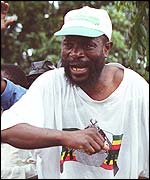
But the judges continue to rule against the government - most recently sentencing a cabinet minister to three months in jail for contempt of court and clearing United States journalist, Andrew Meldrum, of "publishing falsehoods" in a high-profile test of a tough new media law. A dozen other journalists have been charged under the Freedom of Information and Right to Privacy Act but the legal precedent now favours the journalists. The authorities tried to get round the ruling by immediately issuing a deportation order against Mr Meldrum but another court has ruled that he can remain in the country, while he appeals. 'Politicised' The government does not take kindly to such independence of thought and action and has forced seven judges to resign. Zimbabwe's most senior lawyer was also arrested after being accused of trying to organise violent protests against the government.
Sternford Moyo, President of the Law Society, vehemently denies working with the British High Commission and the MDC to unseat Mr Mugabe. One Harare-based lawyer told BBC News Online that relations between the government and the judiciary are getting worse. "Politicians want to politicise everything - especially when they lose cases," she said. The government became really angry when judges ordered the police to remove its supporters who had occupied hundreds of white-owned farms during the campaign for the June 2000 parliamentary elections. Some of those judges were white and the government condemned them as racist. Government sympathisers One of the leading war veterans, Joseph Chinotimba, who had spearheaded the violent land occupations, visited the then Chief Justice, Anthony Gubbay, and threatened him. He opted for safety and agreed to resign.
The new Chief Justice, Godfrey Chidyausiku, served as a deputy minister in one of Mr Mugabe's previous governments. The new judges have already ruled that the government's land redistribution programme is legal - in stark contrast to a ruling by the previous Supreme Court. In the controversial ruling, four new judges backed the government, while the one survivor from the previous court dissented. But other judges continue to defy government insults and intimidation. | |
See also:  18 Jul 02 | Africa 17 Jul 02 | Africa 02 Mar 02 | Africa 13 Mar 01 | Africa 10 Feb 01 | Africa Internet links: The BBC is not responsible for the content of external internet sites Top Africa stories now: Links to more Africa stories are at the foot of the page. | ||||||||||||||||||||||||||||||||||||||||||||||||||||||||||||||||||||||||||||||||||||||||||||||||||||||||||||||||||||||||||||||||||||||||||||||||||||||||||||||||||||||||||||||||||||||||||||||||||
 | |
|  E-mail this story to a friend E-mail this story to a friend |
| |
| Links to more Africa stories |
| | | ||
 | ||||
 | | Back to top
| ||
| ---------------------------------------------------------------------------------- To BBC Sport>> | To BBC Weather>> | To BBC World Service>> ---------------------------------------------------------------------------------- © MMIII | News Sources | Privacy |