|
 |
 | | | | | | ||||||||||||||||||||||||||||||||||||||||||||||||||||||||||||||||||||||||||||||||||||||||||||||||||||||||||||||||||||||||||||||||||||||||||||||
| | | You are in: Monitoring: Media reports | ||||||||||||||||||||||||||||||||||||||||||||||||||||||||||||||||||||||||||||||||||||||||||||||||||||||||||||||||||||||||||||||||||||||||||||||||
|
| | Friday, 30 August, 2002, 13:23 GMT 14:23 UK Arab papers stress Europe-US divide 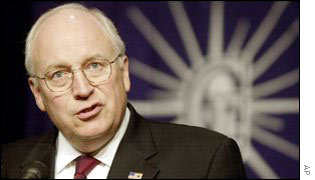 The US is calling for pre-emptive strikes on Iraq As speculation hots up about a possible US attack on Iraq, papers across the Middle East seek to stress Washington's isolation. Saudi Arabia's Riyadh Daily says that while Britain is a "genuine ally" of the US, some European countries are "ashamed of Europe's present sidelined role". "Europe will not tolerate an attack against Iraq because it is aware of the seriousness and repercussions of such a development," the paper says.
Another Saudi paper, Al-Jazirah, calls on the entire international community to oppose US goals. "It is important that the international community voices loudly and clearly its stand against these war positions, because ... embarking on war affects us all." No picnic The Jordan Times points out that EU foreign ministers are meeting at the weekend, with the Middle East and Iraq likely to be on the agenda. "European foreign ministers must break free from the hurdles that the USA's pro-Israeli policy has already thrown on the path," the paper says.
Jordan's Al-Ra'y turns to an article in the US press by former Secretary of State James Baker. The paper says Mr Baker introduced a new element by calling for an international coalition to spread the financial cost. Thus, the paper argues, "the positive part of Baker's article is that he explained to the American people that the war against Iraq will not be a picnic". In a separate article the paper touches on widespread worries over what a regime change in Iraq might mean.
"Some states in the region wonder: If the regime in Baghdad is changed in the way Washington wants, who will guarantee that we ourselves will not be changed," Al-Ra'y says. The Yemeni weekly 26 September highlights what it calls a "UK-US understanding" to topple not just Saddam Hussein, but Palestinian leader Yasser Arafat and Zimbabwe's Robert Mugabe as well. "The pretext of establishing a democratic system in Baghdad as a justification for invasion ... does not enjoy the support of US allies," the paper says. The "odd thing", the paper adds, is that the UK's Tony Blair represents the "only blatant tune of discord by his absolute support of the United States and its war against terrorism". Syria's Al-Thawrah focuses on another perceived conspiracy. "One vision and one objective: Iraq on the US and Israeli agendas," reads the headline. The paper says Washington is using the Iraqi crisis to "impose a new reality in the Arab region".
In this respect "American and Israeli policies towards Iraq and the entire region are completely identical". "They seek to control the region and divide it in such a way that would enable the United States and Israel to achieve their ambitions," the paper says. Egypt-Saudi rejection Another Syrian paper, Tishrin, reminds readers that President Bashar al-Asad recently declared his "strong solidarity" with the Saudi rejection of the "US-Israeli blackmail" against Iraq. Egypt's Al-Ahram laments that Washington simply cannot understand the Saudi - and Egyptian - concerns. "Egypt and Saudi Arabia launched initiatives, announcing in full harmony, cuttingly and in a manner that brooked no bargaining, Arab rejection of any war against Iraq," an editorial says. But, the paper concludes, "Egypt and Saudi Arabia are too difficult for the United States to figure out". Comment in Iraq's neighbour Kuwait is more ambivalent. Al-Watan urges Arabs to "leave Iraq alone".
"Let the Iraqis decide their own fate with their dictators so there are no more threats against the state of Kuwait," the paper says. Al-Ra'y Al-Am says there is "no sincere Arab or Muslim" who would like Iraq to be hit. "But it is the Iraqi regime itself which is wishing this to happen," the paper says. In Iraq itself, Al-Thawrah says anyone believing Washington is just targeting Baghdad is making a mistake. "Not only Iraq but also all the Arabs - their land, their wealth, their identity, and their existence - are targets," the paper says. "If Iraq comes to any harm, God forbid, that would mean the end of Palestine." BBC Monitoring, based in Caversham in southern England, selects and translates information from radio, television, press, news agencies and the Internet from 150 countries in more than 70 languages. | | See also:  30 Aug 02 | Politics 30 Aug 02 | Middle East 30 Aug 02 | UK 29 Aug 02 | Politics 29 Aug 02 | Politics 27 Aug 02 | UK 27 Aug 02 | Americas Internet links: The BBC is not responsible for the content of external internet sites Top Media reports stories now: Links to more Media reports stories are at the foot of the page. | ||||||||||||||||||||||||||||||||||||||||||||||||||||||||||||||||||||||||||||||||||||||||||||||||||||||||||||||||||||||||||||||||||||||||||||||
| |
|  E-mail this story to a friend E-mail this story to a friend |
| |
| Links to more Media reports stories |
| | | ||
 | ||||
 | | Back to top
| ||
| ---------------------------------------------------------------------------------- To BBC Sport>> | To BBC Weather>> | To BBC World Service>> ---------------------------------------------------------------------------------- © MMIII | News Sources | Privacy  |