|
 |
 | | | | | | |||||||||||||||||||||||||||||||||||||||||||||||||||||||||||||||||||||||||||||||||||||||||
| | | You are in: Business | |||||||||||||||||||||||||||||||||||||||||||||||||||||||||||||||||||||||||||||||||||||||||||
|
| | Wednesday, 19 June, 2002, 11:49 GMT 12:49 UK Dirty money hunters may offer help Most of the 19 places around the world named and shamed as havens for money laundering are likely to remain on the international authorities' blacklist when the latest version is unveiled this week. But there are indications that the Paris-based body charged with overseeing the fight against money laundering and terrorist finance might offer countries more help to change their practices. The Financial Action Task Force (FATF) is meeting in Paris ahead of the release of its annual report on Friday.
And ahead of next week's summit in Canada of leaders from the G8 countries, the issue of how to track terrorist finance will also be high on the agenda. Pressure The international momentum behind efforts to disrupt money laundering - which underlies not only the funding of terror but almost all forms of financial crime - was heightened in the immediate aftermath of 11 September. The FATF found itself in a new spotlight and with new responsibilities, and the 2002 annual report will probably hint at the difficulties and lengthy timescales inherent in its new anti-terror mandate. It will also concentrate on the job for which it is most well known: naming the places where money laundering is easiest, and where the authorities do the least to prevent it. But the traditional stick - the threat of being cut off from mainstream global finance, or at least of being automatically suspect - is likely to be accompanied by offers of help, observers believe. Many of the 15 countries on the list say they are working as hard as they can to rectify matters. Russia, Hungary and the Philippines, for example, have both passed long-delayed legislation to force the reporting of suspicious transactions. And the expense of training and sustaining sufficiently tough regulators is a heavy burden on developing countries, some of them tiny island states. So while it might not appear in Friday's report, the chances are that more overt offers of assistance from developed states will be on the table. One of us? But one of the biggest changes in the landscape is not happening at the FATF meeting, but at the G8 level. A new, more robust attitude towards backsliding by developed countries is beginning to appear. Evidence of the change came in last week's G7 finance ministers' meeting, also in Canada.
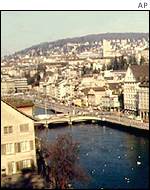
And for the first time, ministers identified their fellow OECD member Switzerland's traditional banking secrecy as part of the problem. "Unless and until Switzerland, and the other countries with strict bank secrecy laws, eliminates the obstacles to access of bank information for all tax purposes, there is a risk that the entire effort will collapse," Italian finance minister Giulio Tremonti told his colleagues. "All signs are there indicating that no progress at all has been made in this respect. "Very little will realistically be achieved if the issue isn't addressed with strength and decision by all of us. "The time has come for us to consider what possible means of pressure may be exerted in order to persuade all the few remaining countries with strong bank secrecy laws that effective exchange of bank information is a must." | | See also:  30 May 02 | Business 11 Apr 02 | Europe 09 Apr 02 | Business 18 Mar 02 | Business 15 Mar 02 | Business 14 Mar 02 | Business 01 Feb 02 | Business 07 Nov 01 | Business 06 Nov 01 | Business Internet links: The BBC is not responsible for the content of external internet sites Top Business stories now: Links to more Business stories are at the foot of the page. | |||||||||||||||||||||||||||||||||||||||||||||||||||||||||||||||||||||||||||||||||||||||||
| |
|  E-mail this story to a friend E-mail this story to a friend |
| |
| Links to more Business stories |
| | | ||
 | ||||
 | | Back to top
| ||
| ---------------------------------------------------------------------------------- To BBC Sport>> | To BBC Weather>> | To BBC World Service>> ---------------------------------------------------------------------------------- © MMIII | News Sources | Privacy  |