1 of 11 This year's enlarged Eurovision Song Contest is dominated by male contestants. Iceland's Jonsi is aiming for his country's first ever victory.
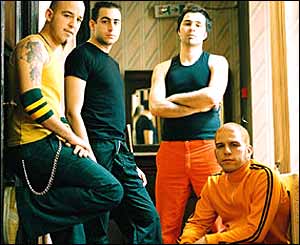
2 of 11 Host nation Turkey are pinning their hopes on boy power, with punk-ska group Athena offering a less conventional Eurovision entry.
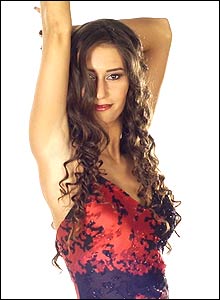
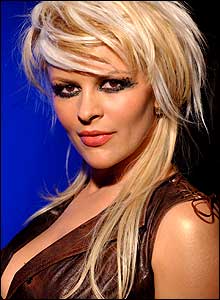
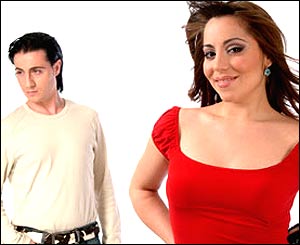
3 of 11 Belgian singer Xandee will look to go one better than her country's 2003 entry from Urban Trad, which finished a close second to eventual winners Turkey.
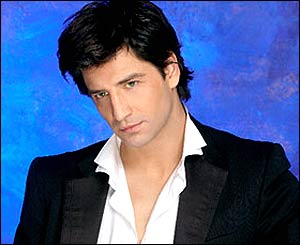
4 of 11 Greece's Sakis Rouvas is aiming for the country's first Eurovision win. They were going to send the winner of a Pop Idol-style contest, but chose well-known singer Rouvas at the last minute.
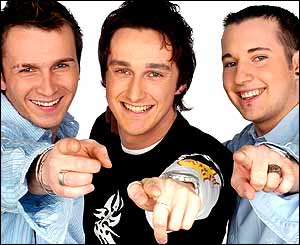
5 of 11 Austrian trio Tie-Break have the unenviable task of living up to their 2003 entrant Alf Poier, who sang a comic song and was the unlikely hit of last year's Eurovision.
6 of 11 Romania's Sandi Ladosi is one of just ten female soloists vying for victory in Istanbul this year.
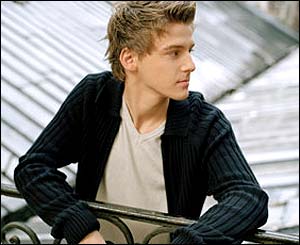
7 of 11 French hopeful Jonatan Cerrada is one of the few singers to shun the English language, but France are still searching for their first Eurovision victory since 1977.
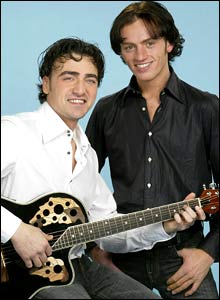
8 of 11 The Dutch are bidding for glory with duo Re-Union. The Netherlands have yet to match their 1975 winner Ding-a-Dong, widely regarded as a Eurovision classic.
9 of 11 Julie and Ludwig from Malta are one of four male-female duos in the running this year. With a touch of opera in their song, they are aiming for their country's first victory.
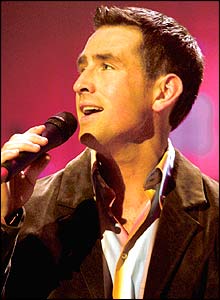
10 of 11 Irish singer Chris Doran will perform a tune penned by ex-Westlife star Bryan McFadden. Ireland's Johnny Logan is the male Eurovision legend, winning the contest twice out of Ireland's record-breaking seven victories.
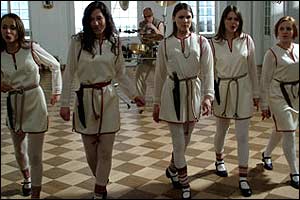
11 of 11 Folk group Neiokoso (The Lasses) will be performing in a dialect from their native Estonia which is spoken by 70,000 people. The Baltic country won Eurovision in 2001.


 One-Minute World News
  News services
 E-mail this to a friend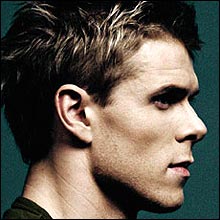


 Ask the experts
 Highlights from the show
