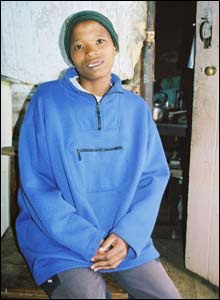
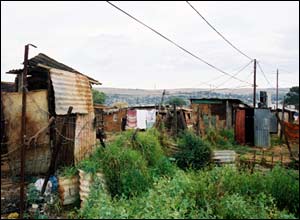
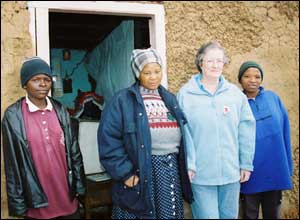
1 of 10 Cikizwa Plaza discovered she was HIV positive in April 2003. She lives in Grahamstown in the Eastern Cape, one of the poorest parts of South Africa. Photographers from the charity AVERT documented her life.
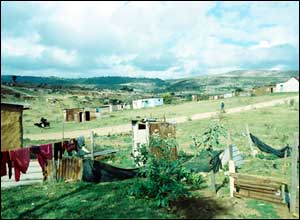
2 of 10 Cikizwa lives in the Joza township. Unemployment is very high. Finding a job is particularly difficult now she has been diagnosed with HIV. "We are poor, but we want to work," she said.
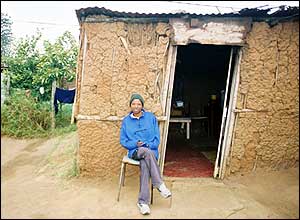
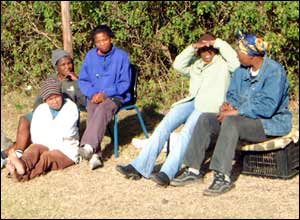
3 of 10 Cikizwa sits outside the small house which she shares with six other members of her family. She finds the cramped conditions difficult, particularly when she is feeling ill.
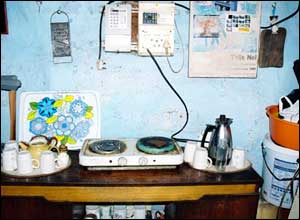
4 of 10 Unlike some of their neighbours, Cikizwa's family have electricity. But their diet is very limited because they are so poor.
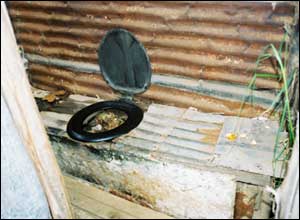
5 of 10 The house has its own water supply, but this is not connected to the outside toilet. Hygiene is critical for HIV patients as their immune systems are weak, but many do not have access to proper sanitation.
6 of 10 Cikizwa's friend Mantombi introduced her to the Raphael Centre, which supports HIV positive men and women. At first she was too scared to attend on her own, but she wanted to "live without a heavy secret".
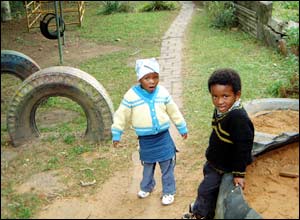
7 of 10 Mothers who come to the centre bring their children, many of whom, like Elam and Kanyiswa, are also HIV positive.
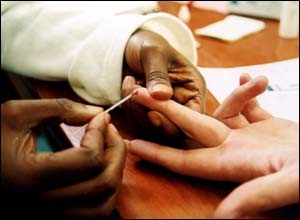
8 of 10 The centre now offers a free HIV rapid test service. Within an hour anyone attending can know whether they are infected and can start receiving counselling and treatment.
9 of 10 Cikizwa has planted peas in her back garden. The women at the centre have been learning how to grow food to improve their diet, which is important for people living with HIV.
10 of 10 Cikizwa and her family say goodbye to Annabel, who works for the UK HIV and Aids charity Avert which supports the Raphael Centre.


 One-Minute World News
  News services

 E-mail this to a friend