|
 |
 | | | | | | |||||||||||||||||||||||||||||||||||||||||||||||||||||||||||||||||||||||||||||||||||||||||||||||||||||||||||||||||||||||||||||||||||||||
| | | You are in: UK: Education | |||||||||||||||||||||||||||||||||||||||||||||||||||||||||||||||||||||||||||||||||||||||||||||||||||||||||||||||||||||||||||||||||||||||||
|
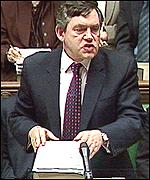
| | Monday, 15 July, 2002, 15:36 GMT 16:36 UK Education receives �15bn extra Schools are promised substantial investment Schools, colleges and universities in the United Kingdom are to receive almost �15bn extra per year, as education becomes the government's spending priority. The total education budget will be �68.4bn by 2006, or 5.6% of the national income, a little over the current European Union average. Presenting the spending review to the House of Commons, the Chancellor, Gordon Brown, also announced direct payments worth up to an extra �50,000 per year to a typical secondary school in England.
When these figures are added to already announced payments, the chancellor said that this could mean schools receiving an extra �165,000 next year. But there are likely to be conditions attached to these grants - with further details to be announced on Tuesday. For 1,400 secondary schools in "the most challenging areas" there will be an additional �125,000 per year - with the extra money linked to "demanding new performance targets". This carrot and stick approach will "allow our schools to replace weak leadership, to attract the best teachers, to improve their facilities". The spending plans for 2003 to 2006 will mean an extra �12.8bn for education spending in England - or 28.5% more than this year. Mr Brown is setting aside a total of �1.9bn more for education in Northern Ireland, Scotland and Wales - 21.6% more than now. The actual amounts for education are for the devolved administrations to decide from their overall totals. 'Reform and results' In a speech that emphasised his commitment to providing "resources for reform", the chancellor announced that the education budget for England would rise from its current �45bn by 6% each year, above inflation, to �57.8bn.
This will include an extra �4.5bn for capital spending, which will allow the modernisation of buildings and equipment. The chancellor said that pupils could not be prepared for the 21st century in classrooms built for the 19th century. But this package of extra money would depend on public services delivering "reform and results", said the chancellor.
This could mean failing schools being taken over by successful schools - and there have been suggestions of "federations" of schools being placed under the leadership of a "superhead". The chancellor also stated the economic importance of improving the staying-on rate after the age of 16, which at present he said was among the worst among leading industrial nations. 'Children's centres' To address this, the educational maintenance allowance, providing a means-tested grant for 16 to 19 year olds staying in education, is to be extended across England from September 2004. These will be worth up to �1,500 per year - �30 a week - and will be funded from savings in benefits made by the fall in unemployment. In saying that, the chancellor reversed at the last minute a four-year intention to fund the allowances by ending universal child benefit for over-16s still in education. Modern apprenticeships will provide an increased number of places, up from 220,000 to 300,000. Child poverty Extra services for pre-school pupils have also been announced, with the creation of integrated "children's centres" with places for 300,000 children. The chancellor also indicated that there would be change in ministerial responsibility for children and childcare. The Child Poverty Action Group applauded these announcements, saying priority must be given to low income families and the millions of children living in poverty. The new education maintenance allowance would help reduce financial barriers to further education for thousands of children from low-income households, it said. 'Old promises, old failure' There was also support announced for the promotion of science and its commercial application in higher education. This will include the setting up of a national centre for excellence in science teaching. The Conservatives dismissed the spending plans, saying that they would not deliver the promised improvements. "Is not the lesson of the last five years that more money without real reform just won't work?" said the shadow chancellor, Michael Howard. Without reforms, he said that it would be "the same old promises, the same old failure". The Liberal Democrat education spokesperson, Phil Willis, welcomed the extra funding, but regretted that it came with further conditions. "Funding without giving freedom will only result in a stifled education service. "Local authorities and head teachers need to have freedom to spend." | |
See also:  15 Jul 02 | UK Education 15 Jul 02 | UK Education 05 Jun 02 | UK Education 17 Apr 02 | UK Education 20 Feb 02 | UK Education 15 Jul 02 | UK Education Internet links: The BBC is not responsible for the content of external internet sites Top Education stories now: Links to more Education stories are at the foot of the page. | |||||||||||||||||||||||||||||||||||||||||||||||||||||||||||||||||||||||||||||||||||||||||||||||||||||||||||||||||||||||||||||||||||||||
| |
|  E-mail this story to a friend E-mail this story to a friend |
| |
| Links to more Education stories |
| | | ||
 | ||||
 | | Back to top
| ||
| ---------------------------------------------------------------------------------- To BBC Sport>> | To BBC Weather>> | To BBC World Service>> ---------------------------------------------------------------------------------- © MMIII | News Sources | Privacy |