 | | | | | | | ||||||||||||||||||
| | |||||||||||||||||||||||
The Anniversary of the 1967 Arab Israeli War | ||||||||||||||||||||||||
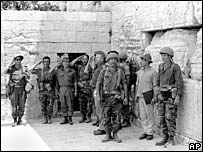
It is forty years since the beginning of the Arab-Israeli war of 1967. A conflict which lasted just six days, but which defined the shape of the Middle East for the decades that followed. The war was a stunning victory for Israel. The state, which was less than twenty years old, defeated three Arab armies in less than a week. Salam Fayyad is the Palestinian Authority's Minister of Finance and a former World Bank economist. The Palestinian economy is collapsing, despite a huge influx of foreign aid and its government is dominated by the radical Islamist Hamas faction. The BBC's Tim Franks asked Salam Fayyad whether forty years after the six-day war the prospect of a Palestinian state was not just economically but politically bankrupt?
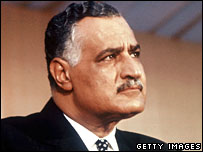
The Arab View The Israeli View Three BBC Correspondents report from Cairo, Jerusalem and Damascus The Egyptian View Egypt's then President, Gamal Abdel Nasser, had led the Arab world at that time calling for the destruction of the Jewish State. Nasser was driven by his belief in secular Pan Arab nationalism, and the outcome of the war was a heavy blow against him and his ideology. Our correspondent Richard Miron has been to Cairo to assess the effects upon Egypt 40 years on and to see how that conflict radically changed the ideological outlook in the country. The Cultural Legacy The 1967 war in the Middle East was the kind of event that cultural historians like to call a "paradigm shift" - a fancy way of saying it made everything different and changed the way we think.
So what was the war's cultural effect? Culture moves at a different speed to politics and in different directions to economics so you can't sum up 40 years of cultural change in five minutes. But our arts correspondent Lawrence Pollard has chosen two poems and a couple of songs by way of a cultural reflection on those momentous events. First broadcast 5th June | ||||||||||||||||||||||||
| ||||||||||||||||||||||||
| ||||||||||||||||||||||||






 Salam Fayyad.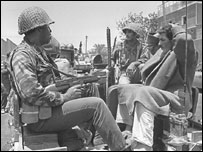
 Global News Podcast