BBCi
BBC World Service
Global Crime Report
BBCiBBC NewsBBC SportBBC World ServiceBBC WeatherBBC A-Z indexGlobal Crime Report CrimeGlobal Crime Report InvestigationGlobal Crime Report Radio SeriesGlobal Crime Report
 Money laundering is seen as a growing problem
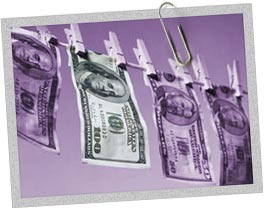
 As estimated US$1 trillion are laundered each year
 
 
 The Financial Action Task Force (FATF) is responsible for overseeing the fight against money laundering.

Its 2002 list of "non-cooperating countries and territories," used to alert banks and other financial institutions to places they should take special precautions with, includes:

• Cook Islands
• Dominica
• Egypt
• Grenada
• Guatemala
• Indonesia
• Marshall Islands
• Burma
• Nauru
• Nigeria
• Niue
• The Philippines
• Russia
• St Vincent/Grenadines
• Ukraine


 Dirty money:
The price of crime


The endgame with all crimes, except in those of sex and death, is money.

Most criminals will trade in cash in order to remain as undetectable as possible in the long-term.

To further conceal the origins of their wealth they will then clean or launder the money, legitimising profits made from illegal trade.

One recent estimate puts worldwide money laundering activity at roughly $1 trillion a year. These illicit funds allow criminals to finance a range of additional criminal activities.

National and international law enforcement agencies, such as Interpol and Europol, are increasingly targeting money laundering.

Starving criminals of the proceeds of crime is like taking the profits from a legitimate business - without money the enterprise cannot grow and begins to lose its allure.

With "Operation Volvox", HM Customs in the UK uncovered a huge money laundering case that involved police co-operation through several countries in 2000 and 2001.

A group of people set up a bureau de change business in London intending to launder £6.2 million accrued from drug trafficking.
 
next >

 BBC copyright ^^ Back to top<< Back to index