 | | | | | | 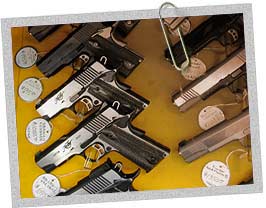 | | | Loopholes in US laws make guns easily accessible | |
| | |  | | | Once a gun has been acquired, the owner can sell it on; the next buyer doesn't need to go through any of the same checks. This loophole in the law has created an informal, often shady, market where potential criminals can easily acquire weapons.
The US weapons surfeit also encourages criminals to export guns elsewhere. There's a significant market in neighbouring Mexico, because gun ownership laws there are much tighter.
The means of smuggling weapons across the border into Mexico are varied and often imaginative. Guns have been hidden in crates of food, in televisions, and on at least one occasion, inside dead bodies.
Often they're simply carried across on foot. At the same time they may be passing arms secretly moving in the other direction; from Latin America northwards into the U.S.
Not only are arms available illegally in all the countries of North and Central America but they're also shifting between those countries - being routed in all directions.
A violent, political group in Colombia or criminals in the US may now own a gun, whose original function was to play a role in the proxy Cold War battles of the 1980s. Meanwhile, an American firearm may be on its way to join narco-traffickers in Mexico.
The economics of the trade remains simple. Weapons move from zones of surplus to zones of demand. And as long as there are motives for using guns - political or otherwise - the profits of the trade will be high.
| | < previous |  | |
|




 ^^ Back to top


