 | | | | | | | ||||||||||||||||||||||||||||||||||||||||||||||||||
| | |||||||||||||||||||||||||||||||||||||||||||||||||||||||
Burgeoning identity | ||||||||||||||||||||||||||||||||||||||||||||||||||||||||
A Google search on identity returned 61,600,000 results, but the most common definitions touched on self-knowledge about one's characteristics or personality; a sense of self, the individual characteristics by which a person is recognized or known. So who am I? I've grappled with this question since I was old enough to understand that my parents came from different countries, Kenya and Nigeria. It so happened that I also moved around quite a bit with them as a child, I used to speak both their languages but lost them at some point in my childhood journeys. In any case, having been born with one foot on either side of the continent, I see myself first as an African. My first name, Uduak, will tell you that I am Nigerian and my second name Amimo will tell you that I am Kenyan. My voice by now should have told you that I am a woman, my accent - I'm not too sure. Uduak means "God's will" in my father's language, which I love, because it serves as a reminder to me that God's will, in and for my life will come to pass, so now you know that my religious identity is Christian. Gap-defining smile Amimo is a common name in my mother's family and we Amimos were named after my great-grandmother, a woman who I'm told was known for her grace and kindness. My name Amimo speaks to my cultural identity in western Kenya. Patriarchy and my father's people will tell you that I am Nigerian, pragmatists and my mother's people will say that I am theirs, a Kenyan from Bunyore.
Any one in my village of Wanakhale can take one look at me, my gap-defining smile and link to me to my family sometimes right down to my mother. That's what they think, that I can only be either/or. But having lived in both countries, I define myself as both and I'm proud to be Kenyan-Nigerian. It's not just these realities that make me the person I am today. Western exposure I find it amazing that in some respects I am hard-wired to respond to guests with a flurry of tea, ugali and chicken as my mother and aunts in Kenya do. Step on my toes though and you'll get a tongue-lashing that could put any market woman in Lagos to shame. Then there's the exposure to the West that I think makes me challenge and demand more from my people and environment. I'm also my mother's daughter, her first-born, a daddy's girl, a big sister, a cousin, niece, grandchild and an aunt. Most of you know me as a journalist, a presenter, others know me as a friend, a music lover, a closet writer. So who am I? I am all these things and will be more. |
| |||||||||||||||||||||||||||||||||||||||||||||||||||||||
| ||||||||||||||||||||||||||||||||||||||||||||||||||||||||
| ||||||||||||||||||||||||||||||||||||||||||||||||||||||||






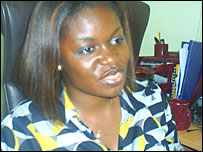
 I am hard-wired to respond to guests with a flurry of tea, ugali and chicken as my mother and aunts in Kenya do


 Focus on Africa magazine: January - March 2007