
 | |
 | |
 | | | | | ||||||||||||||||||||||||||||||||||||||||||||||||||||||||||||||||||||||||
|  | 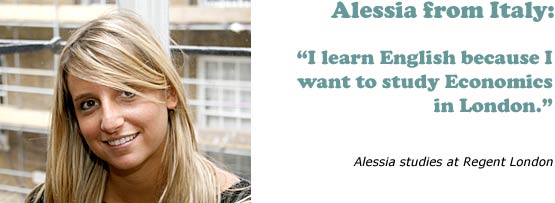 Still, yet and already Today we present some basic information for understanding the meaning of these adverbs and where to put them in sentences. Our challenger Alessia, from Italy, has to make good sentences using the correct adverbs in the correct places.  Listen to the programme!  We use 'still' to talk about something, a situation or an action, that's continuing, often for a longer time than expected. It hasn't changed or stopped. 'Still' usually goes in the middle of the sentence, before the verb.
We use 'yet' mostly in questions and negative sentences. Using 'yet' shows that we're expecting something to happen or have happened. In spoken English 'yet' almost always comes at the end of the sentence or question and is commonly used with the present perfect.
We use 'already' to talk about things that have happened, often earlier than expected. It usually goes in the middle or the end of sentence, just before or after the verb and is also commonly used with the present perfect.
 Download Nuala's grammar explanation and table (pdf - 32 K) Download this programme (mp3 - 1.8 MB) [an error occurred while processing this directive]  Now it's your turn to practise still, yet and already. Go to our quiz page on this subject here. 
| | |||||||||||||||||||||||||||||||||||||||||||||||||||||||||||||||||||||||||
| |||
| | | |
| |||
 | ^^Top of page | | |


