| | | | | | | ||||||
| | |||||||||||
Learning English - Words in the News 13 June, 2008 - Published 10:59 GMT Truckers strike worldwide | ||||||||||||
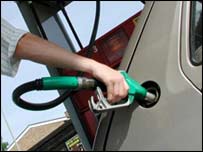
Thousands of lorry drivers around the world are on strike in protest at rising fuel prices. Protests are taking place in Spain, Malaysia, South Korea and the UK. In Argentina food retailers have warned of shortages due to disruption caused by truckers. This report from Jane Warr: In Spain, about 75,000 lorry drivers have been on strike since Sunday night and more than 70 have been arrested. The Spanish government has promised zero tolerance for any violence by the drivers, following a series of incidents which included an attack on a trucker who broke the strike. That attack left him with 25% burns to his body. In Malaysia, security has been stepped up in the capital Kuala Lumpur for a rally the opposition hopes will bring more than 20,000 people onto the streets. Oil prices have risen by about 40% since the start of the year to an all-time high of more than a $139. Truck drivers are also on strike in South Korea, affecting operations at major ports. They're demanding cuts in energy costs or an increase in transport fees as a result of a more than 30% increase in the price of diesel since the beginning of the year. In Britain, fuel supplies to around 900 Shell petrol stations across the country stopped early on Friday because of a strike by tanker drivers employed by two haulage companies. The drivers have also set up picket lines outside a number of oil terminals. And in Argentina, truck drivers are protesting against a protest. They say demonstrations by farmers are preventing them from working. The farmers have been blocking roads for the past three months in a dispute with the government over export taxes. Jane Warr, BBC zero tolerance for any violence broke the strike security has been stepped up an all-time high affecting operations tanker haulage set up picket lines a dispute export taxes |
Latest stories 27 May, 2011 Destruction of smallpox virus delayed 25 May, 2011 Micro-finance 'misused and abused' 20 May, 2011 Lonely planets 18 May, 2011 Germany to invest in more electric cars 16 May, 2011 Argentina builds a tower of books Other Stories | |||||||||||
Useful links | ||||||||||||