| | Words in the News |
INTRO | | The head of the United Nations Refugee Agency, Ruud Lubbers, is travelling to the Taliban political capital Kandahar in southern Afghanistan to present an appeal to stop the civil war for one year. From Takhar, Kate Clark reports. |
IN FULL | |  | Listen to the report in full |
 |  |
2nd May 2001
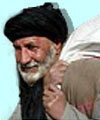
Refugees in Afghanistan |
|
NEWS 1 | | | Listen to the first part of the report |
| | | Refugees camped out in Takhar province are among the most badly hit and least supported of the seven hundred thousand Afghans who've fled drought or fighting since last summer. The Takhar refugees were driven out of their homes by Taliban advances last year, many with only the clothes they stood up in.
The most traumatised of those simply don't know what happened to family members -- whether they were killed, captured, or fled elsewhere. The situation is difficult even for those who are still in their homes. In the town of Dashti Qala in the far north of the province on the Tajikistan border, people are living right up against the front line despite occasional artillery exchanges. |
| | | | Listen to the words |
WORDS | | camped out: sleeping outdoors, usually in a tent
drought: a long period of time during which no rain falls.
driven out: forced out
traumatised: upset by an event or a situation, with possible long-term psychological damage.
front line: the place where two armies are fighting each other
artillery exchanges: when one side uses heavy weapons against the other |
|
| NEWS 2 | | | Listen to the second part of the report |
| | | Afghans cling to their homes and land because the prospect of becoming a refugee is so terrible. In Takhar there are few resources in the community to support the displaced. The province has been hit by drought and a Taliban economic blockade which has driven prices skywards. Wheat costs five times as much as it did a year ago.
This is the human cost of the civil war -- lost homes, broken families and the situation where both sides channel resources into fighting. The head of the United Nations Refugee Agency, Ruud Lubbers, has called the situation insane. He wants both sides in the civil war to call a ceasefire so that Afghans can try to cope with the worst droughts in living memory. |
| | | | Listen to the words |
| WORDS | | cling to: try hard not to leave
prospect: if there is a prospect of something happening, there is the possibility that it will happen
blockade: an action that is taken to prevent goods from reaching a place
human cost: the cost of the war in terms of its effect on people
insane: mad
ceasefire: an agreement between countries or groups who are at war to stop fighting for a time. (to) cope with to deal with something
in living memory: for as long as people can remember |
|
| | | Read more on this topic in BBC News Online |
|





