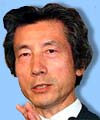
The new Japanese Prime Minister, Junichiro Koizumi, has said that rebuilding the economy is his top priority. Analysts say that his plans are bold but could also be risky. This assessment is from our business reporter Mark Gregory.
Japan's immediate prospects don't look good. The International Monetary Fund's latest half yearly outlook predicts the economy will more or less stand still, with growth of just 0.6 of a percent this year. Meanwhile, the Bank of Japan is worried by price deflation. In many instances prices in the shops are actually falling. Prime minister Koizumi has promised tough action, after a decade of dithering by his predecessor. For example, he wants to force the banks to write off 140 billion dollars of bad debts, which under Japanese financing rules this could trigger a wave of bankruptcies among indebted companies.
WORDS
immediate prospects - chances for the near future
stand still - not move
dithering - not being able to make a clear decision
predecessor - here, people who have done the same job before
to write off - if a bank writes off a debt, it accepts that it will not get its money back and therefore stops trying
He also wants to repair government finances by curbing the huge public spending programmes previously favoured to revive the economy. Many commentators have been calling for such reforms for years, but that doesn't guarantee success. The distinguished American economist Paul Krugman argues that the result could even be harmful. He says the major problem is the unwillingness of consumers and businesses to spend. Shock therapy that closes down insolvent companies and throws people out of work won't address that issue, Mr Krugman believes. But it could plunge an already stagnant economy into deep recession.
WORDS
repair - fix, make good
curbing - restricting and limiting
distinguished - respected
unwillingness - if you are unwilling to do something, you don't want to do it