| | | | | | | ||||||||||||||||||||||||||||||||||
| | |||||||||||||||||||||||||||||||||||||||
World Service 'more needed than ever' | ||||||||||||||||||||||||||||||||||||||||
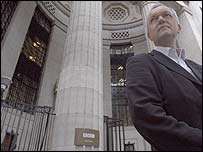
The BBC World Service is more important than ever as it approaches its 75th anniversary, its director Nigel Chapman has said. Following the 11 September 2001 terror attacks and the subsequent changes in global politics, a source of "reliable, dispassionate information" is more essential in more places, Mr Chapman said. "If you didn't already have the World Service, by now you'd be inventing it," he stated. "This is because of the need for a source of reliable, dispassionate information, to give news and analysis and be available for people in a world where there's a lot of hot information around, a lot of partisan sources of biased information which flam up relations very badly. "There's a lot of distrust, there's a lot of hatred around. The World Service is a counterbalance to that. It is at the heart of trying to build bridges between societies that are polarised by religion or by other hatreds. "In a way, the World Service has always had that purpose, but it's now having to reinvent itself in a different geopolitical environment to ever before." A new world order December 2007 will see the World Service celebrating 75 years since it first began broadcasting in 1932.
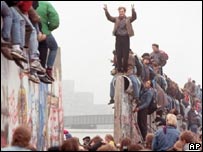
It was established by the BBC's founder, Sir John Reith, to ensure that information about Britain could be spread to all parts of the Empire, and initially only broadcast in English. But its nature began to change as the 1930s wore on and World War II approached. New language services emerged to broadcast to parts of Europe that were coming under threat, and to counteract German and Italian propaganda. Soon the war ended, the Cold War began and the World Service was required to provide a voice from the West behind the Iron Curtain - even if hearing it could get the listener in serious trouble with the authorities. Chapman said that following the collapse of Communism, there was a period where the role of the World Service was called into question - but soon it became essential again. "People were wondering, 'what's the point of this now'?" Chapman said. "And then you get to 9/11 as a pivotal turning point. 9/11 was the manifestation of a new world order, a very dangerous world order, with forces and groups in conflict with other forces and groups, definded more by ideas and very different approaches towards the way society should be run, and tainted by relgion." Change a catalyst for improvement Meanwhile, the World Service is changing more frequently to adapt to changes in the world, broadcasting on more platforms than ever before. "That's not so much about geo-politics, it's also about the way media's changing in the world," Chapman said. "The pace of change in media is so much faster than it was in the 1990s, when the internet hadn't even really arrived on any sort of scale. "Now, you've got people accessing information through so many different media. Television is increasingly prevelant, radio still matters an awful lot - FM in the city, short wave for the rural areas - but there's new media; mobile devices, phones, internet. "That has meant that if we really want to be an effective player, we have to respond." Since he took over as head of the World Service in 2004, Chapman has announced the launch of television services in Arabic and Persian, together with the closure of 10 language services. But he believes that the pace of change is only going to quicken in the future. "An organisation which is steady as she goes is not necessarily going to reach heights, nor great depths," he said. "I think change is a catalyst for improvement, and for more focus on things that really matter - at the expense of some things that don't matter so much." |
BBC RELATED LINKS  World Service confirms Arabic TV World Service confirms Arabic TV History Talkin' bout a media revolution History BBC East Europe voices silenced History | |||||||||||||||||||||||||||||||||||||||
| ||||||||||||||||||||||||||||||||||||||||