 | | | | | | | ||||||||||||||||||||||||||||||||||
| | |||||||||||||||||||||||||||||||||||||||
Genocide in Rwanda | ||||||||||||||||||||||||||||||||||||||||
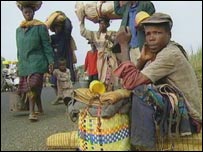
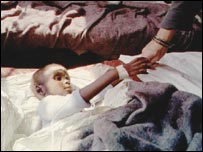
The traditional tension between the Tutsis and Hutus exploded into genocide after a plane carrying the Presidents of Rwanda and neighbouring Burundi was shot down. Hutus began a wave of violence against Tutsis. In response, the Tutsi-led Rwandan Patriotic Front began a military campaign to take over the country. Within three months it had succeeded, but by then 800,000 Tutsis and moderate Hutus had been massacred. Two million Hutus then fled to Zaire, now the Democratic Republic of Congo. BBC radio restores balance In this conflict, radio played a fatal role. The Rwandan station Radio Mille Collines broadcast propaganda against Hutus that has been blamed for inciting the violence. The BBC helped to restore the balance at the request of aid organisations. Producers from the French and Swahili services who spoke the languages of the region, Kinyarwanda and Kirundi, worked with the Red Cross to provide a lifeline to the displaced millions, with detailed information about the missing. The BBC’s Great Lakes Service started as a lifeline project on 15 September 1994 in the immediate aftermath of the genocide in Rwanda. Lifeline public service It was Neville Harms - at the time Head of Swahili - who came up with the idea of establishing a lifeline radio project to serve the people of Rwanda in their time of crisis.
The first service, BBC Gahuzamiryango - "the unifier of families" - broadcast a 15-minute transmission aimed at bringing together families who had been separated. The producers from Rwanda and Burundi who were already working in the Swahili Service became the pioneers of Gahuzamiryango, spending part of their time putting the new programme together. In addition to the lifeline public service, there was also a 3-minute news bulletin covering just the Great Lakes region. This new service carried the BBC name, but was funded by NGOs such as the International Red Cross, Oxfam, Save the Children , UNHCR and DFID. The programme broadcast the names of children who were looking for their parents, it collected messages from refugees living in camps in Tanzania, Congo and Burundi who were trying to trace their loved ones. The Great Lakes Service As the situation in Rwanda gradually improved, many refugees returned home and most children were reunited with their parents. As a result, the NGOs reduced their funding or stopped it completely. As the lifeline project was the only reliable and independent radio broadcasting to the Great Lakes, the BBC World Service decided to convert it into one of its language services. It now broadcasts to the Great Lakes region (Rwanda, Burundi, eastern Congo, western Tanzania, Western Uganda) for 30 minutes a day in Kinyarwanda and Kirundi, and remains essential listening for the overwhelming majority of the population. |
BBC RELATED LINKS  Country profile: Rwanda Country profile: Rwanda History | |||||||||||||||||||||||||||||||||||||||
| ||||||||||||||||||||||||||||||||||||||||






 Listen to the first broadcast by the Great Lakes service (Kinyarwanda)

