| | | | | | | ||||||||||||||
| | |||||||||||||||||||
Continental shift | ||||||||||||||||||||
Mark Dummett previously worked as a producer in the BBC World Service's African department and reported for our programmes from the DR Congo. He is now based in Delhi with his family. He has prepared this photographic tour of life in India exclusively for our African Eyes on India Rising web special.
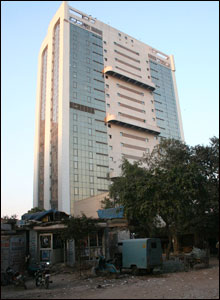
India's economy and cities are growing fast. "Brand India is on a roll like never before," The Times of India newspaper gushed as part of its New Year's "India Poised" campaign.
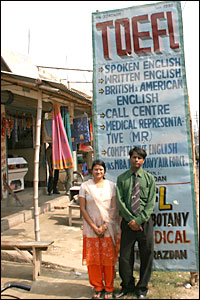
The dream of millions of young people is to work for one of India's booming high-tech companies. Language schools prepare the hopefuls to speak with British and American accents so they can communicate better with foreign clients. If they can get a job they will earn much more than their parents could have ever imagined.
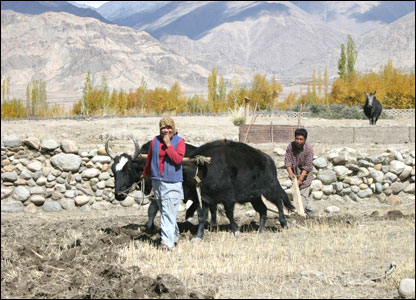
India's rural population is roughly the same size as sub-Saharan Africa's, and conditions for many are quite similar too. Civil conflict, hunger, preventable diseases, corruption, drought, debt and illiteracy are the challenges India's farming communities struggle to overcome.
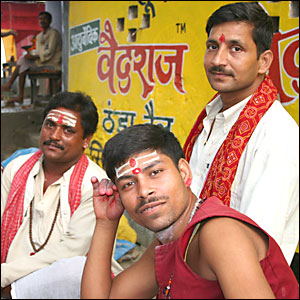
India is a very religious country, and Indians are proud of its many faiths. Most people, like these priests, are Hindus. Hinduism is often described as being a way of life as much as a religion. Its many traditions, rituals and practices date back 4,000 years.
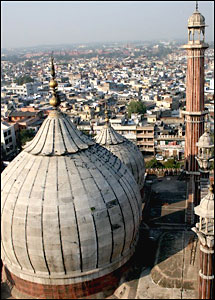
Muslims are in the minority in India, but there are still more living here than in any country except Indonesia and Pakistan. For hundreds of years much of the country was ruled by Muslim emperors. They built some of the country's most beautiful buildings, including the Taj Mahal, and India's largest mosque, the Jama Masjid in Delhi (pictured).
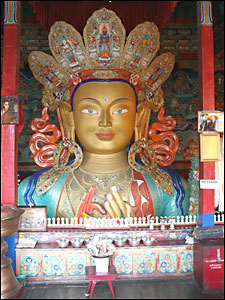
Buddhists from around the world come to India to worship at the birthplace of the founder of their religion, and visit its historic monasteries. This statue of The Buddha is so large that you need to go to room below to see the rest of his body and legs.
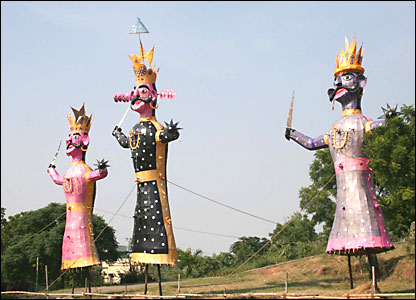
The Indian calendar is full of religious festivals. One of my favourites is Dussehra, when Hindus celebrate the mythical defeat of the evil king Ravanna. Every neighbourhood in Delhi constructs huge effigies of Ravanna and his sons, and then, following a party, blows them up.
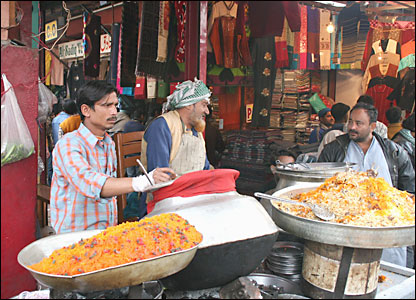
It would be no exaggeration to say Indians are obsessed with food, and who can blame them? The skill and care taken over preparing even the cheapest and simplest of street foods is incredible.
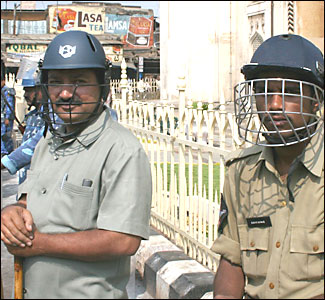
India's other great obsessions are cricket and politics. I saw the two merge when there were protests at a visit by President George W. Bush. These policemen hoped their cricket helmets would give them sufficient protection from the rioters' bouncers.
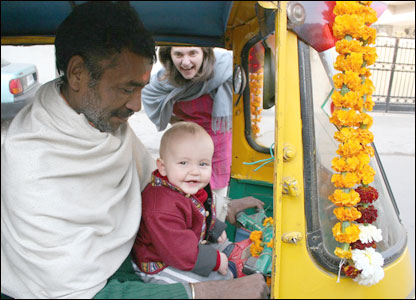
For most Indians, the well being of their families is their number one priority. Parents make huge sacrifices to get their children a good education. People love babies, and my son Freddie, who was born in Delhi a year ago, makes new friends wherever he goes.   |
LOCAL LINKS  Sufis, Sidis and saints Sufis, Sidis and saints02 February, 2007 | News | |||||||||||||||||||
| ||||||||||||||||||||
| ||||||||||||||||||||