| | | | | | | ||||||||||||||||||||||||||||||||||||||
| | |||||||||||||||||||||||||||||||||||||||||||
Reaching Out | ||||||||||||||||||||||||||||||||||||||||||||
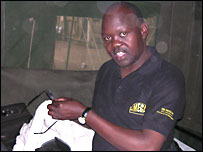
Simone Shaw talks to Mega FM's David Okidi about running a radio station in war-torn northern Uganda. When was Mega FM set up? It started in 2002 with funding from the British government through DFID [the Department for International Development]. The purpose of this station was to give a reliable medium that would help in peace-building and it was a good way forward. Mega FM has its background from another station that was not as well organised and the idea came from this station. What was the difference between the original station idea and Mega FM's success? It's all to do with programming. We started at a time when there was no reliable source for people to speak, so Mega FM came and filled in that gap and that gave us the popularity. That's why we are different. Other stations are about playing music and what people want is far more than music. So what do people want? Our programming is based on the fact that we need to inform and entertain so even when we are informing we need to do so in a way that is very interesting. So coming from a background of conflict, our kind of programming should not forget the fact that listeners are depressed and the programming should appeal to them. Do you think part of the station's success is that by 2002 the civil war had been going on for 16 years and people were ready to now talk about it? I would think that that was one of the factors, but even if this war ends now the station would continue to be successful. Much of your programming is about conflict resolution, but what other subjects do your listeners like to talk about?
We have phone-ins and one of the things that keeps people coming back to us are the debates. A lot of our programmes rely on the participation of the audience. One example of our programmes is our village debates, where every week we go from place to place and the communities are in charge of the topics which we record. It lasts for one-and-a-half hours. How does your station tackle the subject of the 22-year civil war? The Lord's Resistance Army (LRA) rebels realised they needed to speak out and I don't know how, but they chose this radio station. In 2003, when we had the first phone-in from the LRA, it was during the time when the peace process started and we didn't have any fears like before. If they wanted to call we didn't have a problem and we allowed them to talk. And I believe that this kind of programming encouraged the LRA to come out of the bush? Yes, when we started this specific programming, way back before the peace process in Juba [southern Sudan], it was to encourage LRA soldiers to return home. It was called in Luo Come Back Home and by 2005 we had repatriated over 10,000 fighters. What are your own personal war experiences – have things changed in the last few years? Yes, things have changed quite a lot. People are moving around more freely; you don't hear gunshots; we don't hear of ambushes or abductions and this is very encouraging. Are you now able to do things personally that you couldn't have done during the conflict? During the conflict our outreach programme was limited but now we can service the entire region; there is no fear so we can reach out to all parts and conduct interviews and have debates. What is the station's most popular programme?
The morning show seems to be the most popular and most listeners seem to prefer it. It's called The Breakfast Show and includes the daily news and gives people what they want on waking up. It also includes a slot for debates of about 40 minutes and also we have requests wishing people well and the best songs. It has a number of interesting items. So what makes this different from other stations? We rely very much on what the audience wants to hear. If they want a debate, we allow them to debate. If they want more information on health, then we give them the information then we create more slots. It's all about information. Your listeners dictate to you what they want to hear? Yes, it's not something we think about, it's something we do. What do you see for the future of your station? Well we want to create a second channel that would be dedicated to the young people and the programming would be more about entertainment, but also giving the youth information. The programming would have a bias to the youth and we are not forgetting the children still in school. So what subjects would interest the young people of Gulu? One of the subjects that is topical is peace and security. There will be a talk show on why the peace talks in Juba are never-ending. Also issues of education, poverty, health and HIV and Aids. Land is also turning out to be a big national issue as people in the north have been displaced from their homes and land for the past 20 years. Mega FM broadcasts from Gulu on 102.1 FM This article appears in the April - June 2008 edition of BBC Focus on Africa Magazine. |
LOCAL LINKS  Skyy High Skyy High10 December, 2007 | News The Real Deal07 September, 2007 | News Much to Talk About25 May, 2007 | News Keeping It Clean08 March, 2007 | News | |||||||||||||||||||||||||||||||||||||||||||
| ||||||||||||||||||||||||||||||||||||||||||||
| ||||||||||||||||||||||||||||||||||||||||||||






 Other stations are about playing music and what people want is far more than music.