 | | | | | | | ||||||||||||||||||||||||||||||||||||||
| | |||||||||||||||||||||||||||||||||||||||||||
Tourism: Making Tracks | ||||||||||||||||||||||||||||||||||||||||||||
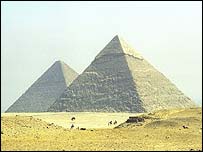
In two years' time, the 2010 World Cup will see an estimated 2.7 million football fans head to South Africa to follow their team. South Africa was chosen to host partly because it boasts the most developed system of infrastructure on the continent. It is also for this reason that it is already easily the most popular tourist destination in sub-Saharan Africa. But, with a few other obvious exceptions - the savannahs of Kenya, the antiquities of Egypt or the beaches of Tunisia - much of Africa remains off the itineraries of tourists. This is perhaps strange, given that there is an increasing desire to seek new destinations beyond tried-and-trusted countries. In Asia, for example, Vietnam and Cambodia are attracting visitors because they are viewed as more adventurous than commercialised Thailand or Bali. But Africa attracts fewer than 5% of the world's tourists, and receives an even smaller proportion of their money. So what is holding it back? Infrastructure importance One oft-cited reason is concern over personal safety. But in an age of global terrorism, the tourist of today is a battle-hardened creature, more willing to accept danger as of travel. Perhaps the most telling proof of this can be found in one of Africa's most popular destinations, Egypt, which has also seen tourists directly targeted by militant Islamist groups.
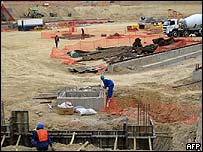
In 2005, bombers killed more than 60 people in an attack on the Sinai resort of Sharm al-Sheikh - yet tourism receipts grew by 11% the year after. Indeed, the traditional tourism sector in Egypt, based around the Pharaonic attractions, is now so saturated that the country is being forced to diversify into beach and diving holidays. South Africa, meanwhile, is grappling with a spiralling crime rate. It has one of the world's highest murder rates, and while tourists may not always be the direct targets, a perception that South Africa is a violent society pervades amongst visitors - yet they keep arriving in their millions. But what both countries share is a developed tourist infrastructure. Egypt, along with its archaeological treasures, has around 300,000 hotel beds. South Africa has around 100,000, and this is to be markedly increased in time for the World Cup. And both have extensive international air connections and developed tourist resorts. The reality is that it is infrastructure - not safety - that is holding much of the continent's tourist potential back. Look at Nigeria, which has long-held ambitions to become a tourist destination. It offers long beaches, eight national parks and a vibrant history. But tourism is virtually non-existent. Official figures, which put tourist arrivals at close to 1 million a year, are skewed by the fact that many traders enter the country on tourist visas. Of the rest, a high proportion are members of the Nigerian diaspora returning to visit friends or family, while others still will be there on oil business. It is here that the familiar problem of infrastructure returns. Hotels in Nigeria are of poor quality, expensive and bureaucratic. The airline network, notwithstanding the introduction of Virgin Nigeria in 2005, is limited and unsafe: seven airlines recently had their licences revoked following a safety clampdown. Even so, air travel is still preferable to taking your chances on the roads. As a result, and despite such a low base, the Economist Intelligence Unit predicts the number of tourists to Nigeria will grow at less than 3% a year for the next five years, showing just how much work needs to be done. Cautious But there is potential south of the Sahara. The United Nations World Tourism Organization (UNWTO) estimates that tourism in sub-Saharan Africa grew by 8% in the first four months of 2007, compared with four per cent in North Africa.
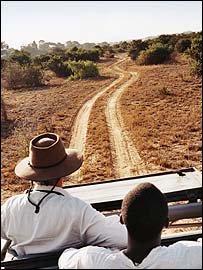
However, it is not only a matter of the number of visitors a country can attract. Tanzania, which welcomes tourists to its game parks and the beaches of Zanzibar, has been cautious about developing new hotels and resorts, as it markets itself as a more exclusive destination. Arrivals are low - around 500,000 a year - but each of those tourists spends an average of $1,078, compared with, for example, $405 in the more traditional destination of Tunisia. According to Tony Janes, the director of the travel firm Simply Tanzania, limiting the number of visitors to the country's game parks has another benefit - sustainability. He says that while there could be as many as 1.5 million tourists a year visiting the country, any more than that could lead to the degradation of the very thing that attracted the tourists in the first place: the country's savannahs. This would be self-defeating if the tourists then started staying away. In its quest for tourist dollars, Africa must not lose sight of what it is that makes it so special. *This is a free online version of the article that appears in the October - December 2007 edition of BBC Focus on Africa Magazine. |
LOCAL LINKS | |||||||||||||||||||||||||||||||||||||||||||
| ||||||||||||||||||||||||||||||||||||||||||||
| ||||||||||||||||||||||||||||||||||||||||||||






 SUBSCRIBE: With the sharpest writing and the finest photography, a Focus on Africa magazine subscription will keep you abreast of all the important developments across the continent.

