| 29 October 2014 |

| |
| BBC Homepage | | |
| |||
| Contact Us | | |
GlassYou are in: Wear > History > Glass > Glass making 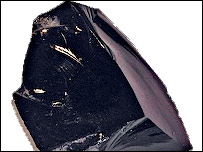 An example of volcanic glass is obsidian Glass makingThere were the two key raw materials on Wearside coupled with excellent shipping links. Glass consists of four principal componentsa former FormerSilica, which is added as sand. Alkali fluxSoda or potash e.g. wood ash StabiliserLime or magnesia. Calcareous sand is rich in marine shells, and therefore lime. Colourants/OpacifiersThese can be naturally present in the glass due to impurities in the raw materials, e.g. in the case of green/blue-green glass which results from the presence of iron in the sand. Other colourants are likely to be deliberate additions to the glass melt of small quantities of mineral-rich material or in some cases slags from metalworking processes. The elements in ancient glass that affect its appearance are mainly iron, manganese, cobalt, copper, tin and antimony. The presence or absence of lead is also important, while it doesn’t produce a colour itself (except in the form lead-tin oxide or lead-antimony oxide) it can change the hue of other colourants. In addition when added to opaque glasses it ensures that the colourants form in a controlled way and are uniformly distributed. Opacity in glass can be due to a number of factors; intensity of colour, bubbles in the glass or the inclusion of opacifying agents, such as tin and antimony. last updated: 11/03/2008 at 14:40 |
| | About the BBC | Help | Terms of Use | Privacy & Cookies Policy |