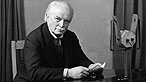
Votes for Women- A Suffragette Remembers
In order to see this content you need to have both Javascript enabled and Flash installed. Visit BBC Webwise for full instructions
Interview with an ex-suffragette on her experiences after arrest.
Teachers' notes
Age Group : 11-14,14-16,16+
Subject : History, Sociology
Topic : History of Wales and England 1880-1980, Modern Wales and Britain, Twentieth century world, Community and culture
Keywords : Suffragettes, Votes for Women, Status and the changing role of women in Wales and England, Universal suffrage
Notes :
COURSES/SUBJECTS:
HISTORY KS3: Twentieth Century World
GCSE: Wales and England at the beginning of the 20th century 1900-1919. Status and the changing role of women in Wales and England - 1900 to today.
A-Level: Aspects of the history of Wales and England between 1880 and 1980. Change and conflict in Wales between 1900 and 1918.
Welsh Baccalaureate: Wales Europe and the World
Politics and Government: Changing role of women.
Sociology: Politics and community
OPPORTUNITIES TO DEVELOP SKILLS IN HISTORY: Develop knowledge and understanding of the 'Votes for Women' campaign. Use previous knowledge and enquiry skills to create a timeline on the 'history of suffrage'. Understand the variety of emotions and viewpoints raised by the campaign. Develop understanding of the suffragettes. Consider different interpretations to explain why the campaign eventually succeeded and decide if they are valid interpretations.
OPPORTUNITIES TO DEVELOP WIDER SKILLS: Improve research skills. Develop the 4 literacy skills of speaking, listening, reading and writing through a variety of exercises. Develop skills necessary for co-working through exercises such as role-play, work in pairs and groupwork.
SUGGESTIONS FOR SETTING CRITERIA TO EVALUATE LESSON SUCCESS: Ask pupils to: 1) Explain why there was a suffragette's campaign. 2) Explain and understand the incentives behind those who believed in votes for women. 3) Explain the reasons why decisions were made by campaigners to break the law and how this was dealt with by the authorities. 4) Form opinions on the main interpretations of the suffragette's campaign.