

Last updated: 24 November 2009
During his 10-day stay at the Llanfyllin workshouse community, Tim Davies from Holywell had to take his turn helping out on the allotment. Growing your own vegetables can help cut your carbon emissions - and cut costs - but there are other ways of reducing the environmental impact of the food we eat.
- Planning meals is one of the most effective ways of cutting waste and reducing food bills. Plan a weekly menu and write a shopping list before your trip to the supermarket - it's less likely you'll buy those extra items that you're unlikely to use.
- Grow your own; if you've a little space in the garden try growing your own fruit or vegetables - browse the BBC's Dig In website for ideas. Keen gardeners could also look into the possibility of getting an allotment in their local area.
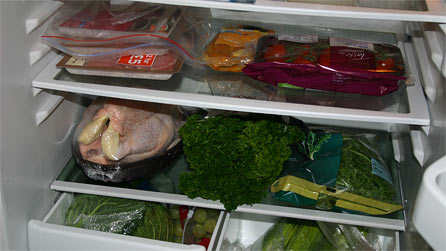
- Get into the habit of checking the use by dates on perishable food items in your fridge, and if you don't think you'll use them straight away move them to the freezer (if possible).
- Being a little creative with leftovers can stretch your meals and save you cash. Try searching for recipes on the BBC Food website.
- Keep your cupboards and freezer stocked with a variety of canned, dried and frozen goods that you can have on standby for last minute meal ideas.
- Try to buy locally-produced products when you can. Local farmers markets are great for locally sourced produce, you'll be supporting local businesses and cutting down the food miles.
- When cooking, ensure you use the correct size pan for the hob ring or burner, use only enough water to cover the food (for example, when boiling vegetables) and put a lid on saucepans to conserve heat energy.
See also
Elsewhere on the BBC
Changing Lives

Ask Steve
'Green guru' Steve Jones will answer your questions about sustainable living.

What can I do?

Bloom green guides
Is it worth recycling? What is fair trade? Take a closer look at the burning issues.

