
Last updated: 10 December 2009
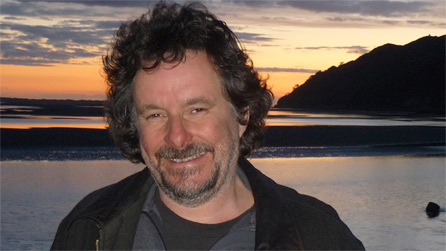
Steve Jones, permaculture teacher and green adviser to the Davies family, gives his views on sustainable living.
we have used up much of our environmental capital, and have spent it like it was income
The transition
Here is an analogy for sustainability. Let's say you have a forest that is 200 years' old, full of slow-grown, hard-wood timber of exceptional quality. You chop the whole lot down, get a load of money and go off on holiday for the rest of your life. Meanwhile your children, grandchildren et al have to wait 200 years for it to grow back, while all the bird, mammal and insect life in the woodland perish.
Or, you thin the forest carefully, releasing a small amount of timber each year, just enough for a small but sustainable yield. It carries on producing forever and the birds and bees keep their home - maybe over the 200 years you get twice the yield, but you never once felled the forest. This is the transition we are required to make: we have used up much of our environmental capital, and have spent it like it was income.
we may well be required to reduce our personal energy consumption from the current 12kw-16kw we burn...to 2.2kw
A new response
I have long been an environmental optimist. Yes, we are faced with some huge and scary challenges with possible dire consequences. However, these dark future scenarios will only be the case if we continue to ignore the warnings and fail to adapt and prepare. I have always subscribed to the view that we can live genuinely sustainable lives, with good levels of development and a healthy natural world. But actually doing it is going to be a big challenge as we have left it late to make any meaningful change.
Government, regional authorities and business will all have to respond with increasing urgency, but I think it is really a call to arms for all us. It calls for a response that is going to be something like the effort required for retooling for World War II. Different strategic national objectives, a new challenge for industry and a public response that might make the famous Dig for Victory campaign look like a Sunday picnic on the allotment.
In terms of future energy, top physics boffin (MIT fellow) Saul Griffith has made some astounding calculations. Over the coming two decades we may well be required to reduce our personal energy consumption from the current 12kw-16kw we burn every minute of every day to maintain our western lifestyles, to something in the region of 2.2kw. That is a huge difference!
It is a total switch from the throw-away consumer items like coke cans and cheap holidays and switching all our material investment into constructing a new sustainability infrastructure. We can do it, we have the capacity and we just have about time but it is going to take everything we have got for a good many years to come.
We will be called to rethink much of what we currently take for granted
Celebrating permaculture
There is a wonderful design system which has been evolving since it was first observed in Australia in the late 1970s. It's called 'permaculture' and it is all about how we make the journey to sustainability. Permaculture knits it all together. Sustainability is a complicated subject and it touches all the sciences and all the areas of our lives; housing, food growing, recycling, energy, transport. We will be called to rethink much of what we currently take for granted.
There are many routes to sustainability. I believe it is time to start really applying ourselves to the process of re-localising our food supply and learning how to get the most out of all the resources we use. Without returning to the resilience of local production we will be hopelessly vulnerable to any economic or environmental disruptions that are most likely waiting for us around the corner. I think it is going to be a journey of self discovery and one full of unexpected surprises, challenges and rewards.
Viewpoint from Steve Jones, Llanfyllin workhouse.