
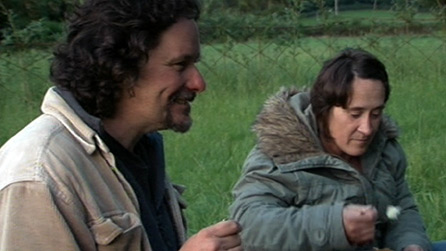
Steve Jones answers your questions on sustainable living.
Log burners best?
l've noticed in many of the eco homes that most use a log burner for heat, cooking, hot water etc. Has anyone considered using a sterling hot air engine mounted to these burners to make an electric power source? I've been thinking about this type of power for a while - that and wrapping micro bore water pipe round the chimney pipe for hot water. Just wondered if you have tried it?
Chris, Wrexham
Hi Chris, interesting question. I have a friend who is interested in Sterling engines. It's an area which needs a lot more research. There are some interesting alternative energy sources out there. The shortfall usually being lack of research and development and economies of scale, so it's hard to get parts etc.
Actually, I am wary of log burners. Everyone seems to think burning wood is green, and it's not true - burning sustainably sourced wood, very efficiently is green, but it's actually not that easy to burn wood efficiently. Modern appliances burn the wood at 1000 degrees C and store the heat in a thermal heat store - usually a big lagged water tank. Normally fires burn at about 400 - and produce a lot of smoke, soot, char and ash. This way all the wood and gasses are burned, meaning there is no smoke and almost no ash, and it gets almost four times the amount of energy from the same wood! I am a big fan of generating heat energy this way.
Running on chip fat
I have a diesel car. Is it possible to run my car on used chip fat? If so, how would I go about this?
Tracey, Cardiff
Well, you have to filter the cooking oil and mix it with something to make it more fluid. People use turpentine substitute or Dave on the programme mentions wood alcohol. A colleague of mine has written a book about this, and there is another book called Run Your Diesel Vehicle on Biofuels, which you may find useful.
Moving to an eco community
My partner, myself and two children would love to join your green outdoor living community. How would we go about making the move?
Tony, Llanover
Tony, that's great...We are actually spread all over the region, living in a variety of different arrangements. However, there are loads of communities out here, many with green leanings. Have a look at the diggers and dreamers website for starters. Also, International Communities. I strongly recommend trying out Wwoofing - it's a form of volunteering and another great way to meet and get involved with communities.
There is also a network of housing co-operatives in the UK known as Radical Routes. They are another good starting point to either meet communities or to find out how to start your own. I also recommend looking at the UK permaculture network - there are loads of projects out there and great short and longer courses to go on to find out more about it.
I have lived in one I co-founded for 14 years and am in the process of starting a second with friends near the Workhouse. I would encourage anyone interested to use the links and find out more!
Good luck.
Eco-friendly cars
We fully agree with the green way of life and hope to live that way in time. However, we were watching the programme and noticed you seem to be driving a number of non eco-friendly cars!
Alan, Somerset
Well, you got us on that one Alan. Yes, transport is a tough one to solve especially for individuals on low incomes. We are stuck with using older cars we maintain ourselves as they are cheap to get hold of. I have never spent more than £750 on a car, in 25 years of driving.
The trick is to keep your mileage low. I live and work and shop within a five mile area, lift share, work from home more and all those things. There a couple of folks running on chip fat biodiesel but the rest of us are stuck with the same challenges as everybody else. Our local buses are not cheap, not regular and slow - it is a challenge! City-living people have an advantage here, where it's easy to cycle and use the bus.
Living off-grid
I'm a 'hippy' in a city and although I do my best to live a sustainable lifestyle, off-grid would be my dream. I have the van already to go but how on earth do you go about finding a location, community etc? If you do find one how can you be invited into it?
I currently work as a nurse and therefore have no money to buy into a co-op and also wonder what skills could I bring to the community?
Claire, Cardiff
Hey Claire, thanks for the question. Well, for one you don't have to buy into a co-op necessarily - many are par value, which means membership is £1. Newer ones often look for capital investors, but older ones not so. Have a look at the diggers and dreamers website for starters. I gave a fuller answer to this on in a previous question. Yes, get out on your hols and go wwoofing maybe, or got to a Radical Routes meeting to meet like-minded people.
Solar bikes
I would like to know where I can get details of the small solar panel/bike charging kit that the Davies family use to give them some power in the yurt? I am wondering if I could power my sewing machine some of the time with a small panel and my static exercise bike.
Daisy, Swansea valley
Hi Daisy. Yes, it's all possible. Energy stuff is a bit tricky to explain but without wanting to put a damper on your idea, you can just buy renewable energy over the grid from specialist power companies. Energy-generating kit like solar panels are expensive and only deliver small amounts of power, so they are at best only a partial solution unless you are living a very low energy lifestyle - like we had the Davies' doing.
If I was going to be buying kit for my house, I would start with a solar hot water unit - they are absolutely brilliant.
CAT is an eco educational charity in Wales. They have an information department and offer several excellent publications on the subject.
Good luck with that.
The answers on this page are written by Steve Jones, permaculture expert.
See also
Elsewhere on the BBC
What can I do?

Bloom green guides
Is it worth recycling? What is fair trade? Take a closer look at the burning issues.