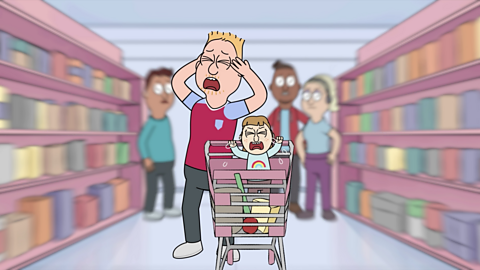
It's worrying seeing a child kicking, yelling and lashing out - but hang on in there. Defiance is part of them learning to express themselves and be independent.
But how can you help your child learn to express themselves…a little less angrily?
Our short video below summarises the best ways that you can help your child understand their emotions and behaviour, helping to empower them to express themselves better.
There's tantrums and there's complete defiance. Your child's hitting, biting, screaming until they're red in the face… And you're red in the face too.
How have things got this bad? Will you ever be able to go anywhere again?
It's worrying seeing a child kicking, yelling and lashing out - but hang on in there. Defiance is part of them learning to express themselves and be independent. Biting is fairly common in children under three. Especially when lots of kids are together. They might be overwhelmed, frustrated, or testing boundaries.
They're definitely testing boundaries…!
So how do you help them handle their behaviour better?
As soon as you can, step in and calmly remove your child from the situation. Let them cool down, even if it feels like it might take forever. Stay close by, but not in their personal space. When they're a bit calmer, talk to them and explain why this behaviour is wrong.
Get down to their level. Use a steady voice and clear, simple words they understand like: "No biting, biting hurts, be kind". And ask how they're feeling - involve them in working out what's wrong. By understanding why they act up, you'll have a better chance of nipping it in the bud.
Watch for warnings signs of when they start to spiral. What's happening - do they feel crowded? Are they having trouble sharing their toys? Did you ruin their life by giving them a brother or sister?!! Their little sister's here to stay of course. But the defiance should lessen.
By talking to your child and helping them understand their emotions and behaviour, you're empowering them to express themselves. And who doesn't love an empowered and expressive child?!
Why do young children lash out?
It can be worrying to see children lashing out, kicking, screaming and biting, but it is often part of them learning about to express themselves and be independent.
They are often looking to get their own way and might be overwhelmed, frustrated or just looking to test the boundaries of what’s acceptable to get what they want.
How common is toddlers biting?
Biting is fairly common in children under 3, especially when lots of children are together.
How can stop my child from biting or hitting and help them to get over lashing out?
The best way to get your child out of this sort of defiant behaviour is to talk to them and help them to understand their emotions and behaviour. Over time, you will hopefully help them to express themselves more effectively rather than lashing out.
3 simple tips for helping your child handle their emotions
1. Step in immediately and calmly
As soon as you can, step in and calmly remove your child from the situation.
Give them as long as it takes to cool down.
Stay close by, but not in their personal space.
2. Explain why their behaviour is wrong
Get down to their level, use a steady voice and clear, simple words they understand like: “No biting, biting hurts, be kind’.
And ask how they’re feeling – involve them in working out what’s wrong.
3. Try to understand why they act up
Watch for warning signs of when episodes might happen. What’s going on - do they feel crowded? Are they having trouble sharing?
By understanding why they act up, you’ll have a better chance of nipping it in the bud.
Our behaviour and wellbeing section has loads more tips and advice to help you understand your child's emotional development and their mental wellbeing.
Created with help from child psychologist Dr Claire Halsey and child development researcher Dr Michelle Lowe.