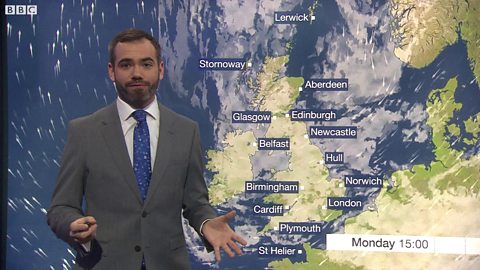
Hello, my name is Ngunan. I present a radio show on BBC Radio Merseyside and I also train journalists for the BBC’s World Service which means I get to travel.
I’ve worked in radio a lot and writing for radio or a podcast is a little bit different from writing for TV or the internet.
Once you have decided on your story you need to write the script for it which means telling the audience what the story is about .You might like to include an interview - or ask a range of people their opinions on something - this is called a “vox pop”. You will need to go out and record these.
Or your radio report may be a straight read like a news bulletin or a live interview with someone who is involved in the story.
When you are writing for radio there are a few things to remember:
• Like any news script you need to keep it all Clear, Concise and Correct
• But remember that the listener will only hear the words once – and you haven’t got any visuals or graphics to help you – you need to keep it very short and simple and don’t use sentences that are too long or use very big words .
• Don’t say - The club have said they will terminate the managers contract with immediate effect. Just say - The club have sacked the manager.
• Don’t say – The police deployed three units. Just say – The police sent 3 cars.
You are writing for speech – so whatever you write remember someone is going to say the words out loud - so for example you would probably write 4pm but you would say 4 o clock in the afternoon. So write as you’d speak.
Before you go out read your script out loud to make sure it makes sense. If there’s time ask someone to listen.
You might have noticed that when you are reading a book you have an idea in your head of what the characters look like – and what the scenes look like.
And it’s exactly the same thing for radio.
You want to paint a picture for the audience so they can “see” where the story is and what’s happening.
There are a number of ways you can do this:
• Use Sound effects – If you are doing a piece about rowing, or a building site, construction, you can use drilling or lapping water – that way the listener can tell where you are straight away.
• Description - Remember the listener can’t see what you can see. So you have to describe as much as possible, from colours to scenery to what’s in the background.
• Atmosphere - Some locations have a real atmosphere –like a construction site, a swimming pool, or a busy road. So before you leave your location make sure you record at least 30 seconds of the atmosphere so you can add it to your report.
Once you have painted your picture remember to control the background - for example if there’s too much noise - like loud music that might drown out what your interviewee is going to say – then you can kindly ask them to lower the noise or you can move to a better location – or if there’s a plane flying over you can pause and, once its gone, start again.
Before you leave your location, make sure you check your recording – and it you haven’t recorded anything, you can always do it again.
Once you get back to base you need to edit your audio – use the best clips and edit out the ums and ers.
You then need to write a cue – this is the bit the presenter reads out when they are introducing your report and it should sum up the story in a couple of sentences.
Keep it simple.
So those are my tips for writing and making a report for radio or a podcast – why don’t you have a go?
Making a report for radio or a podcast isn’t quite the same as making something for TV or the internet. You need to think how you can tell the story without visual clues.
You need to:
- Paint a picture in the minds of your listeners.
- Use sound effects.
- Describe a scene as there are no pictures to help the listener.
- Use your writing and storytelling skills.
You may still like to do a storyboard and you can include interviews, vox pops (asking a range of people their opinions) and sounds to tell your story.
It’s important to think about writing first, as you will have no pictures or graphics you can use.
In this video you will learn about:
- How to be clear, concise and correct.
- How to keep your writing short and simple as the listener will only hear the words once.
- How to avoid long sentences and write as you speak, for example, you might write 4:00pm but you would say 4 o’clock in the afternoon.
Watch our video and have a go at making your own audio report.

Online storytelling tips from award-winning YouTuber, Jessica Kellgren-Fozard. video
Award-winning YouTuber, Jessica Kellgren-Fozard tells us a how she honed her craft and what the secret is to being a great online storyteller.
Tips on storytelling and making a documentary from Mim Shaikh. video
Mim shares his experiences and advice about how he told his story and made a documentary.

Storytelling in video games with Rhianna Pratchett. video
Rhianna Pratchett explains exactly what it takes to tell a good video game story and what you need to do to get started.

Observational storytelling tips from comic Suzi Ruffell. video
Acclaimed comic Suzi Ruffell explains how she's been delighting audiences with her own brand of observational storytelling for over a decade.
Top tips for filming on a smartphone. video
Film-makers are producing documentaries and feature films on smartphones, and you can do the same
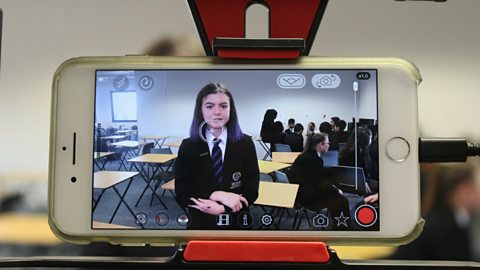
Finding news tips with Steph McGovern. video
Journalist and presenter Steph McGovern delivers a masterclass on how to find news stories.
Tips from sporting presenter Jessica Creighton. video
Covering sports stories means more than just knowing the rules of the game and the names of the players.
News presenting tips with Roger Johnson. video
Insights into news presenting from Roger Johnson, presenter of the BBC regional news programme North West Tonight and BBC Breakfast at the weekend.
Reporting the weather with Ben Rich. video
Watch the video, download the guide to reporting the weather, and then have a go at making your own weather forecasts.