WW2 Sounds - Evacuation - The Blitz - WW2 Speeches - WW2 Songs - WW2 News
A reporter describes VJ Day celebrations in London on 15 August 1945.
We're back now in Piccadilly Circus…into a Piccadilly Circus which now…although it's after midnight here in London, is crowded like it's never been crowded before. There's literally now not a single place where you can get anybody else in. In fact, the trouble is to get people out, because the fireworks are exploding in all directions…bonfires have been lighted…people are dancing on the rooftops…they're climbing up the sky signs opposite me…one sailor climbed the whole way up and down again to the terrific excitement of the crowd…and as for the noise…well, listen for yourselves!
A reporter describes VJ Day celebrations in London on 15 August 1945.
The war ended in Europe on 7 May 1945 when Germany surrendered to the Allied forces. However, the conflict continued in the Pacific, where Japan remained engaged in fighting against the Allies.
A major turning point came in August 1945, when the United States dropped two atomic bombs: the first on Hiroshima on 6 August, and the second on Nagasaki on 9 August. These devastating attacks played a key role in Japan’s decision to surrender.
Victory over Japan Day (VJ Day) was marked on 15 August 1945, when Japan announced its surrender. Although the formal surrender document was not signed until 2 September, 15 August is widely remembered as the day the war truly ended for many around the world.
In the UK, VJ Day sparked spontaneous celebrations. BBC reporter Wynford Vaughan-Thomas was in Piccadilly Circus in London and described scenes of joy and relief as people danced, lit bonfires, and set off fireworks late into the night. These celebrations echoed the public’s immense relief at the end of six years of global conflict.
More from World War 2 Clips
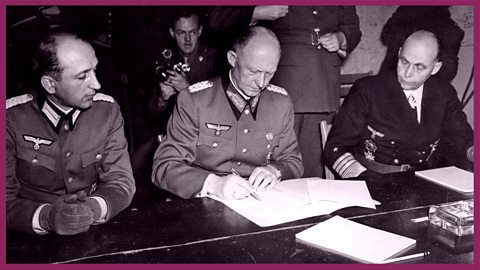
Nazi Germany surrenders. video
News report describing the signing of Nazi Germany’s surrender.
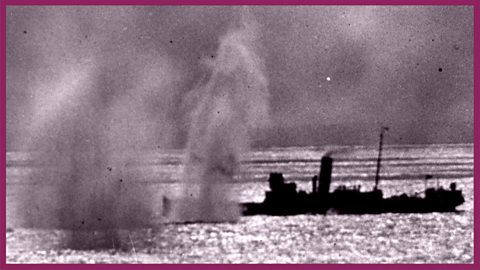
The bombing of a convoy. video
A reporter describes an attack on an Allied convoy from the air
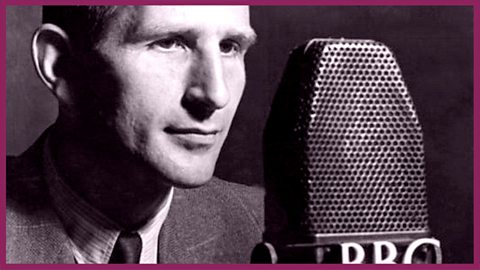
BBC News summary 1940. video
The news covers the extent of German air losses during the Battle of Britain.
WW2 Sounds - Evacuation - The Blitz - WW2 Speeches - WW2 Songs - WW2 News
