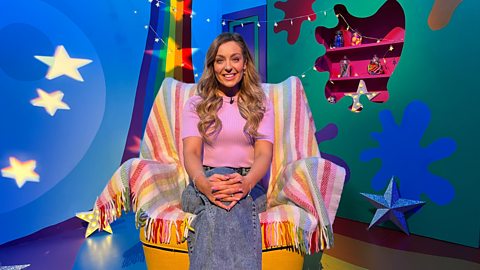
Moodboosters, a new BBC initiative with activities to support children with their mental health and wellbeing, spoke to Claudia Hammond about simple ways to be kind.
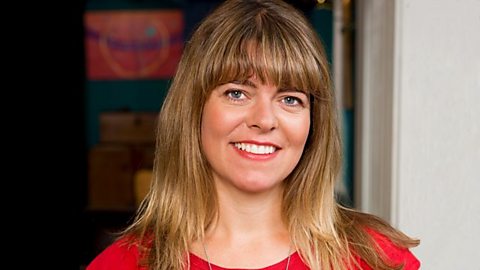
Random acts of kindness (RAK) are defined as selfless acts given to another person to positively affect their mood or wellbeing. Research suggests that performing random acts of kindness brings positive benefits to the giver both mentally and physically.
Claudia Hammond is an author and the presenter of The Anatomy of Kindness on BBC Radio 4. She is Visiting Professor of the Public Understanding of Psychology at the University of Sussex, where she was part of the team behind The Kindness Test which launched in 2021 and was the world’s largest in-depth study on kindness with more than 60,000 respondees.
1. Start small
Small acts of kindness aren’t necessarily even planned, but can make a big difference for both the giver and receiver.As Claudia explains, “even very simple acts of kindness can make more of a difference than you might realise. Smiling at someone at the station, talking to a stranger while you’re queuing in a shop, noticing that someone needs a seat on a bus, sending someone at work an email telling them that you thought their work is good”.
Interestingly, in The Kindness Test, the team found that small acts of kindness were more prevalent, yet they had profound effects, as Claudia says “it was striking that the most common acts of kindness were small - helping people when they ask, doing favours for friends, opening doors, and handing things back to strangers that they had dropped. These are very small acts, but they all add up”.
2. Pay someone a compliment
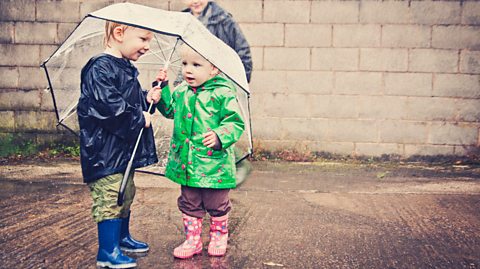
It doesn’t have to be family or friends, it’s easy to pay a compliment to anyone you might meet. Not only is it kind, it’s also a great way of making others feel great about themselves.
A 2021 analysis found that paying someone a compliment can be beneficial for the mental health and wellbeing of the receiver as well as improving their self-esteem.
Not only this, but the giver can also receive a boost according to the results of The Kindness Test. Claudia explains, “on average people who give, receive or notice more kindness, had higher levels of both wellbeing and life satisfaction” and that “people told us that they felt happy, grateful and loved when someone did something kind for them”.
3. Reach out to someone you haven’t connected with in a while
In 2023, a report from the Mental Health Foundation found that almost a quarter of people in the UK are meeting friends less often than they used to. Why not reach out to a friend, family member or neighbour who you haven’t connected with in a while.
Claudia suggests that connecting with others through kindess is a valuable tool for maintaining our wellbeing, as she suggests “one of the reasons that being kind can make us feel good is that it allows us to feel more connected to other people. In a way this isn’t surprising because kindness is at the heart of our relationships with other people and it’s a fundamental part of human nature.”
Connecting with others can be valuable for both adults and children. In the Moodboosters classroom activity Pass it On, TV Presenter Ade Adepitan encourages children to use a series of different hand clapping routines so that pupils can connect with each other to boost morale, and recognise a sense of their own importance, as well as that of those around them.
4. Pick up litter in your local area
Not only is this a brilliant way to be kind but by tidying in your local area, you can help both to brighten up your community and help the environment. Helping out in the community with activities such as picking up litter can also recharge your mental health and wellbeing, in the UK social prescribers have started prescribing community volunteering as a means to help deal with depression and anxiety.
Watch Ade Adepitan in the Pass It On Moodboosters video
Taking part in a community litter pick, as well as performing other random acts of kindess, has demonstrable positive benefits, as Claudia explains “the reward system in the brain is stimulated when we are kind, which is why it feels good”.
Helping the environment is also a really accessible way of getting active, embracing the outdoors and feeling good, as Claudia says “when we act kindly, we feel good”.
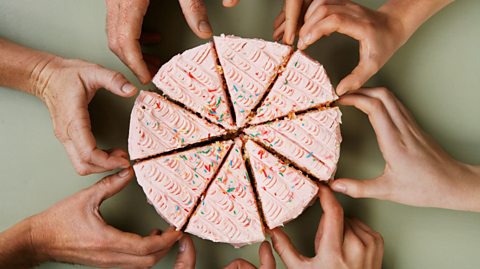 Image source, Getty
5. Share food with others
One way of being altruistic is cooking cooking for friends and family. You could also try making a meal for neighbours, bring in snacks for your colleagues or provide a meal for a homeless person.
In January 2023, a takeaway owner in Edinburgh offered local people free pizza throughout January as an ‘act of kindness to help people struggling with the cost of living crisis’.
The cost of living crisis and other real world events and news stories can have an effect on how kind people are. As Claudia says, “inevitably negative stories tend to dominate the news because these are the events we need to know about. There is good evidence from psychology that negative events are more salient, meaning we are more likely to notice and remember them. So this can leave us feeling as though we live in a world where there is nothing but cruelty, when in fact acts of kindness are taking place around us all the time.”
Claudia values making the effort go notice acts of kindness, as it can make us feel more positive and helps maintain our mental health, “it’s worth making the effort to look out for acts of kindness going on around you. While I was writing my book on kindness I kept a kindness diary and now I find I can’t stop noticing people being kind to each other. I witness it every day and recognising the kindness around you can improve your wellbeing”.
Image source, GettyMore from Moodboosters
Why not try:
>> Dr Ranj – Wave of Thanks (Connect)
Further information
To access more mental health and wellbeing related videos and activities go to bbc.co.uk/moodboosters.
To find out more information on Random Acts of Kindness Day 2023 visit the Random Acts of Kindness Foundation.
For more information about mental health and wellbeing, check out the dedicated area on the NHS website.
BBC Action Line has details of organisations that can offer support.
The BBC is not responsible for the content of external websites. By clicking the link to access the external website you will be redirected to a site controlled by a separate organisation. Please note that the BBC is not the data controller of the personal data you enter into the external website and it is not responsible for the services provided by any external organisation. When using an external website, you are subject to their Terms and Conditions and Privacy Policy.
This article was written in February 2023.
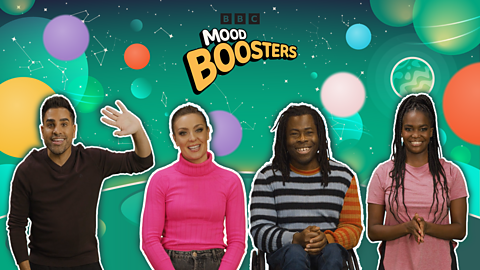
About Moodboosters. video
Watch a short clip introducing Moodboosters and find out about some of the ways the fun activities can benefit primary school aged children.
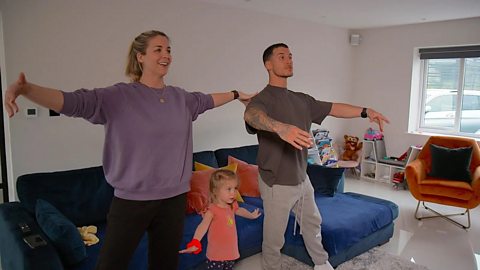
Watch Gemma and Gorka try out Family Moodboosters
Gemma Atkinson, Gorka Marquez and daughter Mia try fun activities to get moving for mental health and wellbeing at home.
Amy Dowden on landing her dream TV role and why it’s ok to be different
Amy Dowden marks Children's Mental Health Week with her first appearance on CBeebies Bedtime Stories.