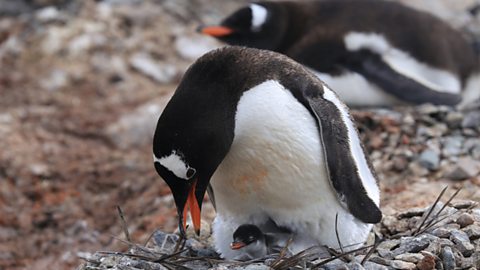
BBC science reporter, Victoria Gill visits the wilderness that is the Antarctica Peninsula to discover colonies of penguins.
Victoria explains that this breath-taking part of the world, though calm and clear on her visit, is a land of extremes.
Wind speeds can reach 200mph and temperatures plummet to some of the lowest ever recorded on Earth.
Victoria explains how this extraordinary land is changing and has warmed by 3 degrees centigrade in 60 years. This change is hugely important as this vast expanse of ice helps keep the planet cool by reflecting the sun’s rays, and the crust of sea ice that forms every winter and thaws every summer acts a thermostat for planet Earth.
Victoria explains just how important the cold temperatures are to wildlife like the penguins and how the oceans produce food for them to eat.
It is through the hugely important work that scientists do here that helps us understand climate change.
This short film is from the BBC series, The Penguin Watchers.
Teacher Notes
Pupils could be challenged to find the Antarctic region on a map or globe.
How far away do they think it is from where they live?
What words would they use to describe the Antarctic and what do they think it would be like to live there?
Pupils could be asked why they think Antarctica acts as a thermostat for the whole planet.
They could create a poster or leaflet explaining what the changes are and how they will affect the rest of the planet.
To further this project they could research on the internet or interview a scientist to find out how fast the planet is warming and how this will change Earth for both humans and animals like the penguins.
Curriculum Notes
This short film will be relevant for teaching climate change and animals and their habitats at Key Stage 2 or Second Level in primary schools in the UK.
More from The Penguin Watchers
How climate change is affecting penguins and their habitat. video
Dr Tom Hart, Penguinologist describes the threats to penguins on Antarctica.
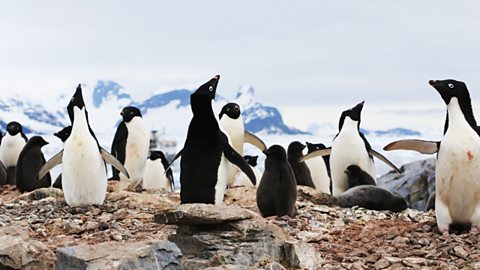
What adaptations do penguins have to survive in Antarctica? video
Dr Tom Hart explains how penguin feathers have evolved both insulation and waterproofing structures to allow them to survive in the cold.