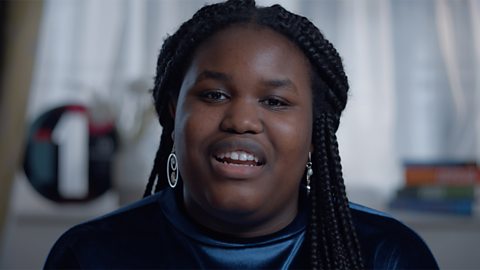
Ethan:
My name's Ethan and I'm an adaptive surfer. I first got into adaptive surfing because my mom found a taster day with Surfability and I had a surf lesson and they just helped me surf and I've surfed ever [UNSURE OF WORD] since. I suffer with, um, diplegic cerebral palsy. I don't really find that I find it difficult, I always find ways how to deal with it and just do it head on. I don'twant to be seen as different to another child. Yes, I might have, uh, like, a difficulty but, I like to do what my friends do and just doesn't m-make a difference what I look like.
So I've always found a way how to be like my friends or, do the exact same things as my friends. I've always been, like, in the water 'cause I, um, used to swim and I used to always go down thebeach. It's just that adrenaline of catching that wave and-- As many people will say, surfing is very th-therapeutic, very relaxing and it's t-trying to have fun, basically. So I am training to go to the World Adaptive Championship in La Jolla, California. I'm doing a lot of water time training and just finding new ways how to improve my surfing and what I can, uh, improve on mistakes,and just finding new ways how to, uh, be a better surfer. I think it's important to keep learning and trying new things because it's always, uh, always about improving what you're trying to do in life or a goal, basically.
So, it's, say you're trying to complete a goal of, in my case, becoming world champions, I can eventually find a way how I would complete that challenge and basically[step over that] and learn from new mistakes and old mistakes and just improve and-- I've never thought ever in my life that I can not be the same as an, another child. Yes I have difficulties but I never have the mindset of "no I can't do this, no I can't do that". It's just finding a way how to do, um, do that [pacific] thing I want to do and finding a different wayhow to do it.
So I do the Ramble for Children in Need. Um, a six-and-a-half mile walk, that's took seven and a half hours. I got through some tough terrains and tough, muddy bits. There was times where I did wanna give up. Matt Baker showed me, um, a video of my fellow surfing friends and basically giving me motive, motivation to complete the challenge and keep going. Ialways had that mindset of completing it and,
I did eventually. I think it's very important for someone to have a, a growth mindset. 'Cause, it's just that, a feeling of you can do anything you want to do if you put enough time and effort and dedication into what you want to do and it's just finding that way how to. I always learn, uh, new things from either failures or just learningfrom, like, teachers or my f-fellow sports people. Failures are, are part of life. I always find new ways how to accomplish things or find new ways how to, um, learn, if I need to l-learn anything to do with surfing or school, or anything else.
Video summary
Ethan has cerebral palsy, a medical condition that affects his movement and coordination. He's also an adaptive surfer and is training to go to the world adaptive championships in California. In this short film Ethan shares his experiences of using a growth mindset to learn new things.
Teacher Notes
You can keep your brain growing by continuing to learn new skills.
This is called neuroplasticity.
The more you practise something, the stronger the connections in the brain become.
When you learn something new, it can also help to give your wellbeing a boost.
Mastering a new skill can help you to feel motivated and positive.
Using the film
This is one of five filmed interviews about wellbeing and developing a growth mindset.
They can be shown in any order and are designed to encourage students to think about their own wellbeing, and how they can learn to build good habits to support their mental health and develop a positive attitude.
Classroom Ideas
Students are learning every day at school in the classroom, but what other sorts of learning do they do?
Encourage students to have discussions about what they learn from their hobbies or the activities they do outside school.
Explore the idea of neuroplasticity and explain how the brain changes when people learn new things.
Encourage them to reflect on skills and abilities they have developed that were hard to begin with.
For example, how was it the first time they rode a bike or tried to write their name? What helped them to improve?
Ask your students to write about the things they would like to learn to do but haven’t mastered yet. What are the small steps they can take to keep working towards these goals?
Dan - Connect with others. video
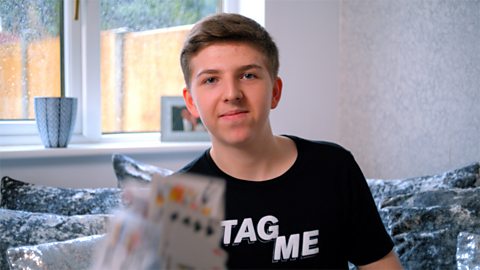
Dan has Asperger Syndrome, also known as Asperger's, and sometimes finds it difficult to connect with people. In this short film he shares his experiences of learning magic, using his growth mindset, and using magic tricks to help him connect with other people.
Kristana - Be active. video
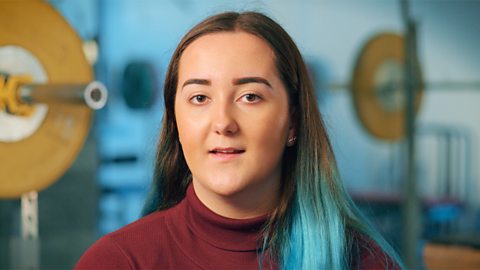
In this short film Kristana explains how weightlifting has helped her to feel better about herself, develop confidence in school and overcome challenges.
Mjd - Give to others video
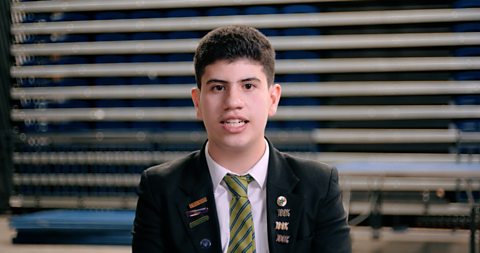
In this short film Mjd explains how he used a growth mindset to learn English, and how he 'gives to others’ by translating for his classmates and helping them learn.
Rachel - Take notice. video
In this short film Rachel shares how she takes notice of the issues that are happening around her and how she tries to make a positive change.