What do animals need to survive?
MADDIE MOATE: There are all sorts of different animals living around us. These animals need the same four things to survive: air to breathe, water to drink, food to eat, and shelter - a place to live. The area where an animal lives is called a ‘habitat’ and it’s important that a habitat provides everything an animal needs to survive. This is a corn snake, its name is Jack Frost.
CHILD: A snake is a reptile.
CHILD: Reptiles are cold-blooded. Their bodies do not produce any heat.
CHILD: You stay in there where it’s nice and warm!
MADDIE: Corn snakes need the place where they live - their habitat - to be warm. This reptile house is kept warm, so that it’s just like Jack Frost’s natural habitat in the wild. Let’s find out more from an expert.
YUSSEF: Hi, I’m Yussef and I’m an animal expert. One of the most important things an animal needs to survive is a habitat. A habitat is a place where an animal lives: it could be something like a hot desert, or even your own back garden. And it provides an animal with all the things they may need. It provides them with food. So if we take a crested gecko, for example, these guys live high up in the trees of rainforests, and they like to eat things like insects and other bugs … they like to eat juicy fruit, and a rainforest provides them with all of this. It also provides them with leaves and branches and bumpy bark, where they can shelter from bad weather, and it provides them with protection against predators.
CHILD: Are there any wild snakes living in the UK?
MADDIE: Yes there are! The most common is the grass snake. You can usually find them in England and Wales. Let’s find out what makes a good habitat for a grass snake. A good habitat provides everything an animal needs to survive. This grass snake will need to make sure the habitat is just right. It’ll want water to drink - but also because grass snakes like to swim. And food - some of its favourite foods live in watery places. And shelter - from Autumn to Spring, grass snakes hibernate, which is like having a very long sleep, so there will need to be somewhere it can shelter through the winter months. So this grassy, wet habitat is ideal for the grass snake!
CHILD: This habitat looks a bit different than the last one.
MADDIE: That’s right! Deer live in forests and on open heathland and moors. This land is perfect for them to graze on as there is plenty for them to eat.
CHILD: They must really like grass!
MADDIE: Yes! Deer eat grass, leaves and sometimes even tree bark. One thing all animals have in common is that to survive, they need to eat food. But animals eat different things depending on what type of animal they are. Some animals eat plants: we call them herbivores. Some animals eat other animals: we call them carnivores. And some animals eat both: they’re called omnivores. Ok, let’s see if you can remember which is which. Which type of animal only eats other animals?
CHILDREN: Carnivore!
MADDIE: Yes! Our corn snake eats mice, rats, birds and bats; that makes him a carnivore. Wolves and lynx are carnivores that once roamed wild in the UK. But today in the UK, we only find them in zoos and wildlife parks. Can you remember the type of animal that only eats plants?
CHILDREN: Herbivore!
MADDIE: Well done! Herbivores eat things like seeds, fruit, nectar and algae. So, what do we call animals that eat plants and animals?
CHILDREN: Omnivore!
MADDIE: Pigs are omnivores: they eat roots, veg, fruit, eggs, flowers, leaves, worms, and insects. They pretty much eat anything! Humans are also omnivores because humans eat both plants and meat from other animals. But some humans choose to only eat a plant-based diet.
There are so many different animals we share this planet with and all of them depend on their habitats to provide the things they need to survive. Which is why it is so important we look after their habitats and make sure we protect them for the future, so that we can continue to live together with a rich variety of life.
Video summary
Download/print a transcript of the video.
In this video we explore the things all animals need to survive.
The children are introduced to a corn snake and see the conditions - the habitat - corn snakes and grass snakes need.
With narration from Maddie Moate and expert advice from zoologist, Yussef Rafik, this video also defines what herbivores, carnivores and omnivores are.
Teacher notes
Download/print the Teacher notes for this unit.
Discussion points:
1. The needs of living things:
- Discuss the four core things that living things need.
- Do pupils think any one of them is more important than others?
- How do living things access the things that they need to live?
- Discuss challenges facing living things in the future in accessing the things that they need.
2. Habitats:
- Discuss what a habitat is and what it should provide?
- Do all living things have the same habitat, and why?
- What do our habitiats provide us as humans?
- Discuss how climate change is causing habitats to change and develop.
3. What animals eat:
- Discuss the different things humans and other animals eat?
- What does each type of food we eat give to us?
- Discuss the names herbivore, omnivore and carnivore, and what they mean.
Suggested activities:
1. Habitats:
- Provide a selection of pictures of different animals for children to view and discuss.
- Can children sort these cards into groups of animals that live in different environments.
- Discuss the conditions that these animals need to live successfully.
- Discuss how changing enviornments and habitats can impact on the ability of these animals to live successfully.
2. Habitat arts:
- Work with pupils to develop a list of native living things to the UK, or more specifically from the pupils’ part of the UK.
- Pupils to select an animal of choice following the discussion.
- In a group, or individually, using a shoe box, or similar, can pupils create their own micro habitat to show the things that their identified animal needs to live successfully.
3. Wildlife watch:
- Work with pupils to choose an area of the school grounds.
- Undertake an observation to capture the number of living things within the area.
- Pupils to create a graph to show their results.
- Discuss reasons why so many, or so few, living things are found in the area and what we can do to support habitat restoration.
4. Habitat conservation:
- Pupils to undertake research around habitat challenges within the UK and in other parts of the world.
- Consider the impact of such habitat challenges on meeting the needs of living things.
- Pupils to draft a letter to a local or national representative to highlight their concerns and outline what they could do to support habitat restoration.
Curriculum notes:
This video aligns with Science in the National Curriculum in England, Northern Ireland, and 1st Level in Scotland. It also supports the Science and Technology Area of Learning and Experience within the Curriculum for Wales.
What is an animal? video
A group of children explore animal groups and identify the key characteristics of each.

How do animals grow? video
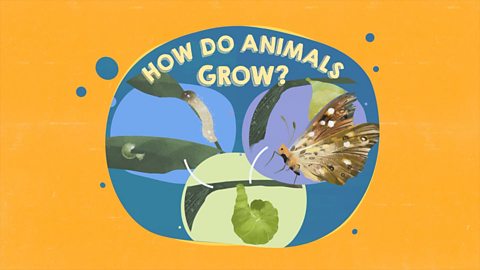
This video explores the contrasting life cycles of a number of different animals, revealing how their appearance changes.