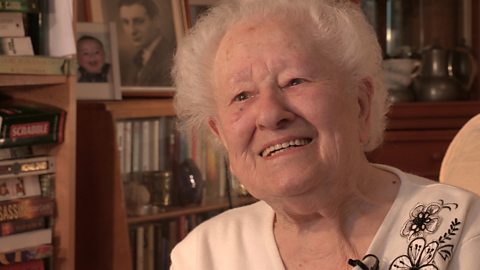
Gemma Cairney discovers how women fought to change the law around contraception and abortion in Britain.
Childbirth in Victorian times was dangerous and difficult. Victorian families were large and reliable contraception was not available.
Marie Stopes believed that married women had a right to birth control. In 1921 the first birth control clinic in Britain was opened.
In 1961 the contraceptive pill was introduced but illegal back street abortions were a leading cause of maternal death.
The 1967 Abortion Act made abortion legal and abortion still remains a controversial issue.
Please note, this series was originally broadcast in 2013 and all information was correct at the time of recording. However, you will need to update your class with the latest facts. For example, the laws around abortion in Northern Ireland have changed in recent years as this BBC News timeline outlines.
Teacher Notes
Students could divide into groups of four, with each of them producing a mini-presentation on one of the following topics: 'Why did women want birth control?', 'Marie Stopes', 'The Pill' and 'Abortion'.
Curriculum Notes
This short film is suitable for teaching secondary history. This topic appears in OCR, Edexcel, AQA, Eduqas, WJEC KS4/GCSE in England and Wales, CCEA GCSE in Northern Ireland and SQA National 4/5 in Scotland.

More from 100 years of the women's movement
How suffragettes won women the vote and changed politics. video
Gemma Cairney finds out about the suffragettes and the impact on female representation in politics today.

How women fought for sexual and social equality in the 20th century. video
Gemma Cairney finds out how women have campaigned for sexual equality in Britain.
How women in Britain fought for equality in the workplace. video
Gemma Cairney explores the story of women's rights in the work place and important changes such as the Equal Pay Act.