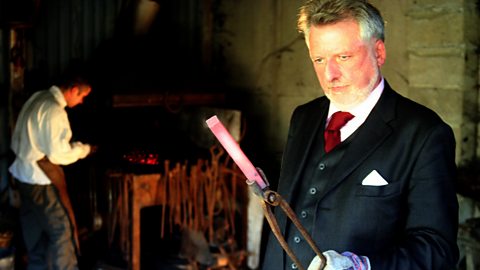
Lawyer Harry Potter explains how Robert Peel and his reform of the criminal justice system brought to an end the system known as The Bloody Code.
With only the Riot Act as a means of restoring order Peel now sought to reform how the law was enforced through the creation of a professional police force.
Former Home Secretary Douglas Hurd explains why there was opposition to Peel’s police force.
Peel argued that the role of the police was to control crime rather than the people.
This short film is from the BBC series, The Strange Case of the Law.
Teacher Notes
Students could identify key words while watching this short film.
They could explore and evaluate ways of dealing with disorder through the use of the Riot Act by considering examples such as the 2011 riots and Peterloo.
Why were people so afraid of a police force?
Curriculum Notes
This short film will be relevant for teaching GCSE history and social studies. This topic appears in OCR, AQA, Edexcel, WJEC KS4/GCSE in England and Wales, CCEA GCSE in Northern Ireland and SQA National 4/5 in Scotland.
More from The Strange Case of the Law:
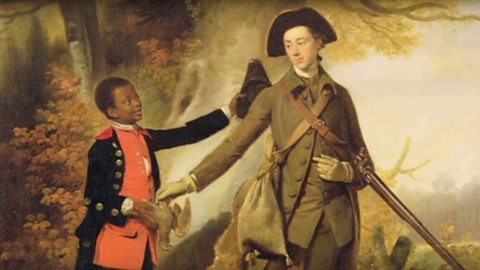
Habeas Corpus and Slavery. video
A look at the use of habeus corpus to prevent the transportation of a slave out of the country in 1771, which ended slavery in England.
Henry II, Thomas Becket and the Church Courts. video
A look at Henry II’s attempts to deal with the problem of church courts and the consequences of the murder of Archbishop Thomas Becket.

John Lilburne and Habeas Corpus. video
Looking at habeas corpus in practice and its use by John Lilburne.

Saxon Law - Compensation. video
Exploring Anglo-Saxon compensation for injuries from the Rochester Book, the first English law code 600AD.
Saxon Law - Courts. video
Exploring the organisation of Anglo-Saxon society into hundreds and how courts enforced the law through the use of oaths.

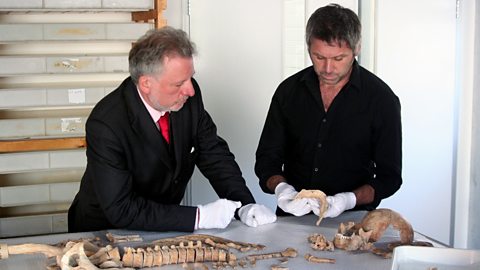
Saxon Law - Punishments. video
Exploring physical evidence of how justice worked in Anglo-Saxon England from the execution cemetery at Harestock.
Star Chamber and the Rack. video
A look at the origins of the Star Chamber under Henry VII and its abuse by Charles I. Also, the use of the rack to gain confessions.
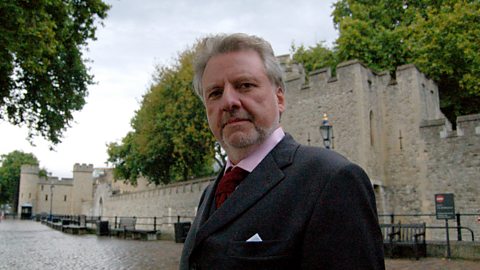
The Bloody Code. video
Exploring the Bloody Code and the practice of ‘pious perjury’ by juries.

The Conventicle Act of 1664 and the Independence of the Jury. video
A look at the breaking of the Conventicle Act and how the use of habeus corpus led to the independence of the jury.

The Jury. video
A look at the development of the jury under Henry II and its growing significance with the end of trial by ordeal in 1215.

The Petition of Right and Habeas Corpus. video
A look at the significance of the Petition of Right and the development of civil liberties, in particular habeus corpus.
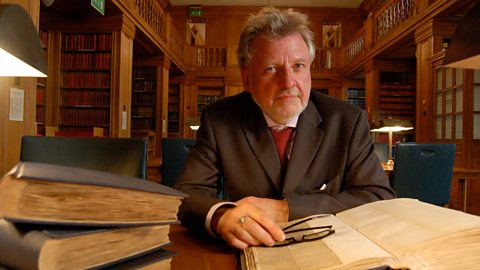
Saxon Law - Trial by Ordeal. video
A look at Anglo-Saxon trial by ordeal of fire or water and Norman trial by combat.