Naomi Wilkinson and her young helpers are at an aquarium to find out about some wonderful marine animals.
CHILD READING POEM:
To the sea we go today
Upon the waves
Where dolphins play
And great whales spray
RIONA:
To the sea we go today
What a sight
With fish so bright
And creatures that will sure delight
To the sea we go today.
NAOMI: Hi everyone! What are you doing today?
CHILD: We're finding creatures that live in the sea.
NAOMI: Oh, cool! You've found some fish!
CHILD: I like the colour of these fish!
CHILD: These ones have funny fins!
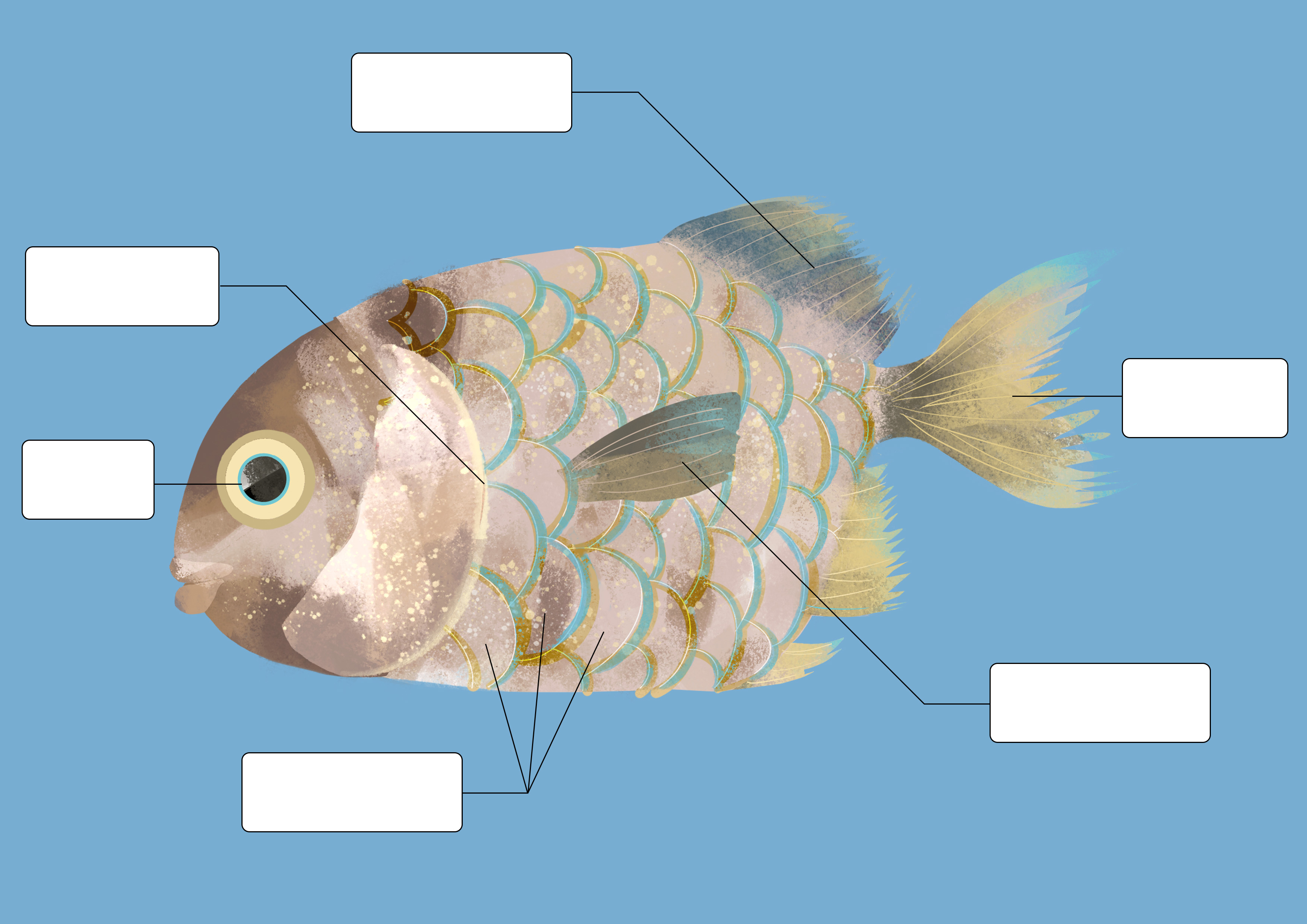
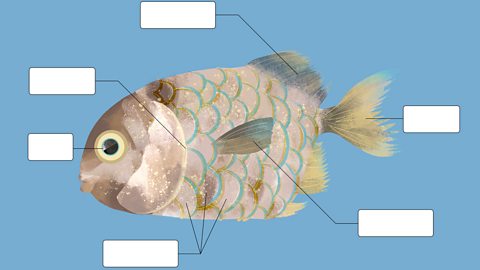
NAOMI: Let's find out a bit more about fishes bodies. Fishes bodies are covered in scales, which protect them a bit like a suit of armour. Fish have fins to help them move, balance and steer through the water. Its tail is a type of fin too. A fish uses its mouth to eat and take in water. These flaps on the side of its head are called gills and they help the fish to breathe, like our lungs help us tobreathe. Most fish don't have eyelids! So they sleep with their eyes open! Fish come in all different shapes and sizes. What haveyou found?
CHILD: Rays!
CHILD: They look like they're flying!
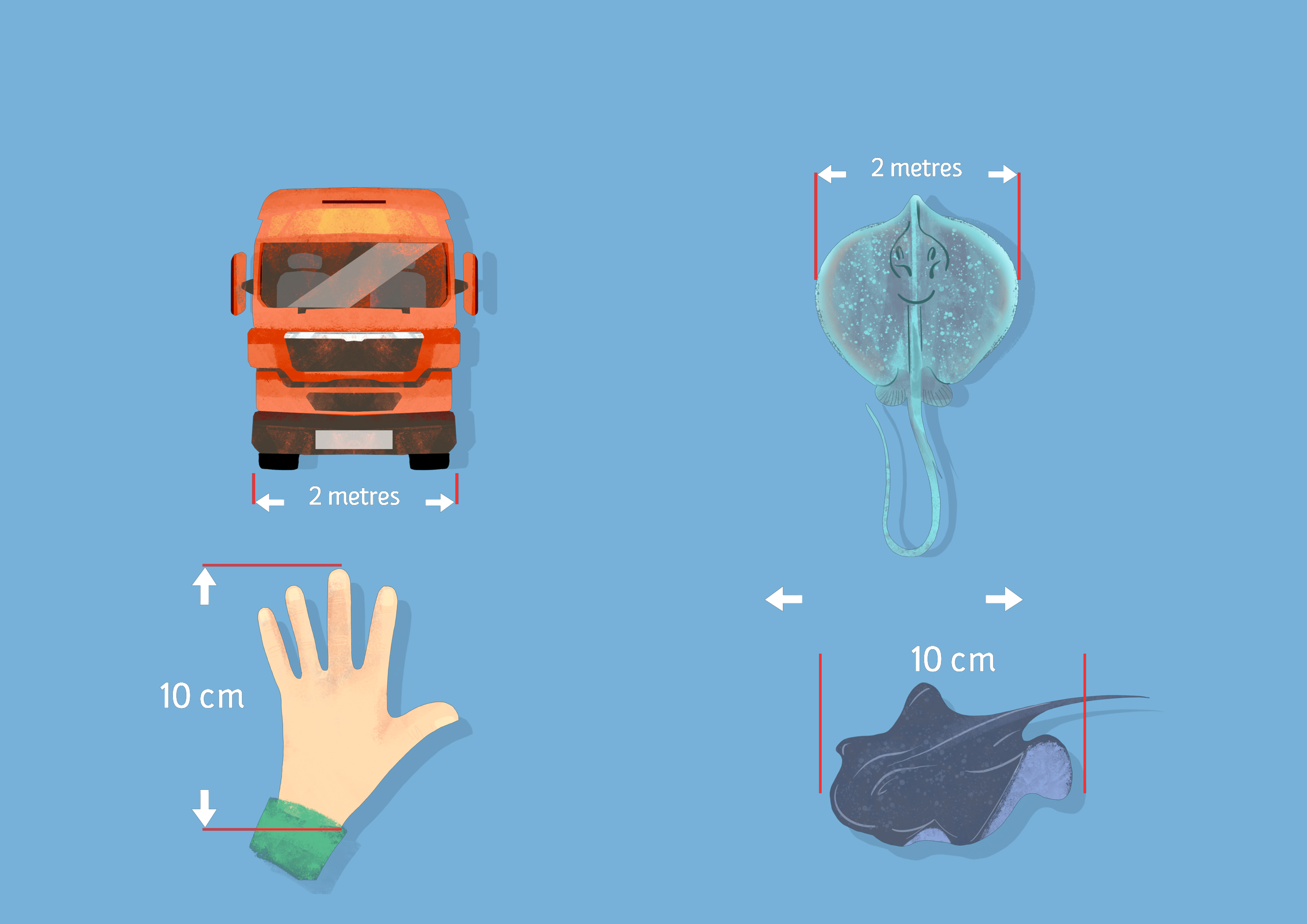
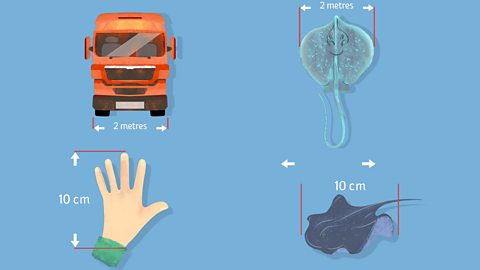
NAOMI: There are lots of types of rays, some with with fin-spans as small as your hand, others that stretch as wide as a lorry. Rays, like these ones, have no bones. That's why they're so bendy. A type of ray called a stingray carries venom in its tail, so it can be very dangerous. Rays like warm waters and can be found in the Pacific, Atlantic and Indian Oceans.
Some rays, like these ones, migrate. That means they move a very long distance from one place to another. These cow-nosed rays swim 1600kms (that's 1000miles) every spring and autumn, which is almost twice the length of the United Kingdom!
Lots of different sea creatures migrate. They move when the weather changes to find warmer or cooler waters. They might move to find food or to have babies.
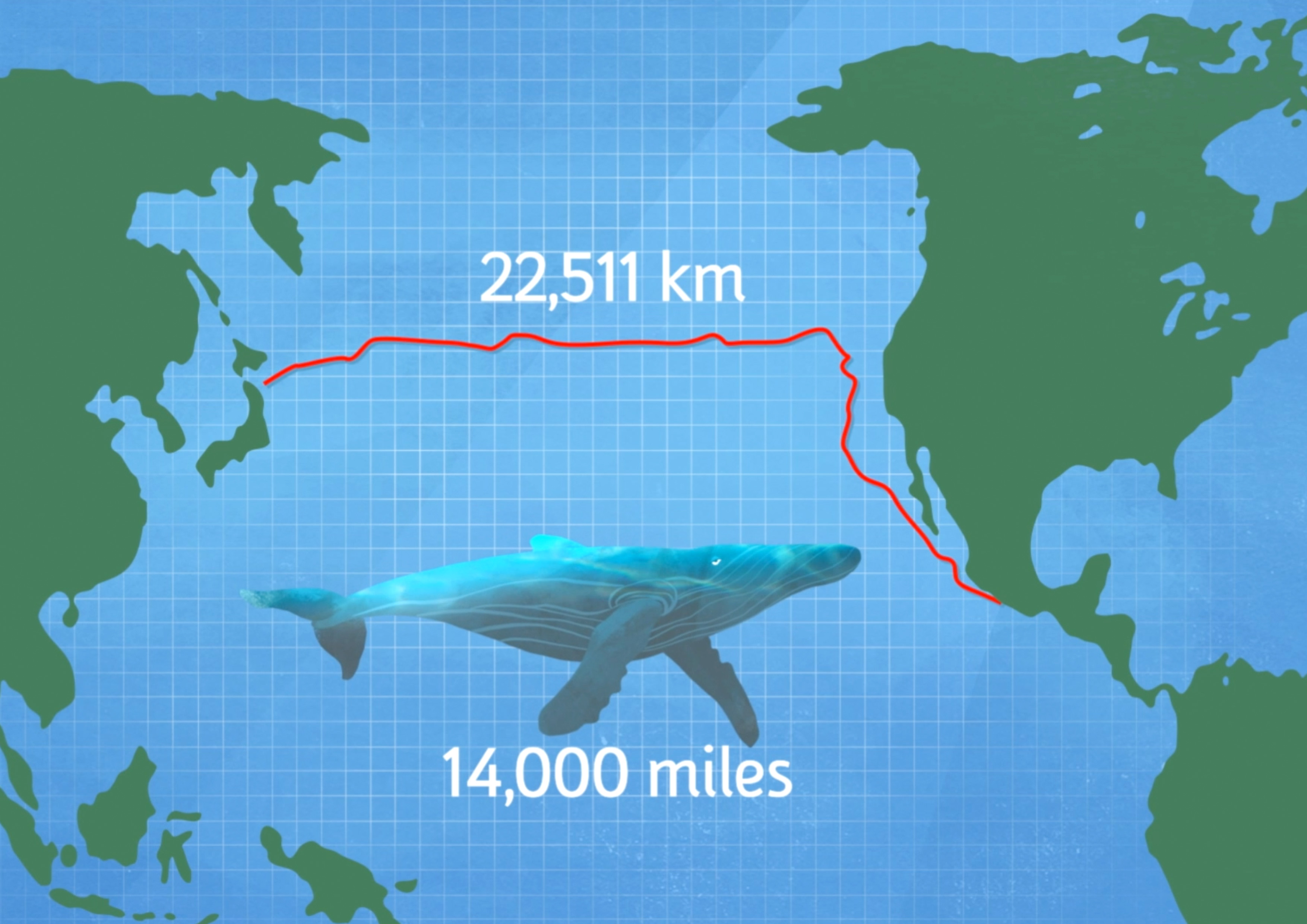
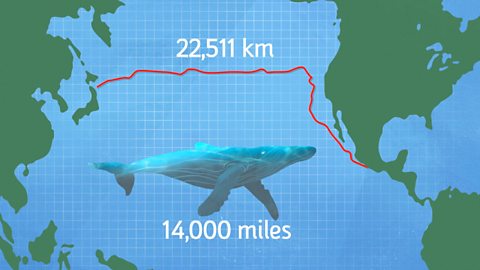
The record for the longest migration recorded is held by a whale, who scientists called Vavara. She swam 22,511 kms - that's nearly 14,000 miles! It took her 172 days and because whales don't eat when they migrate, she did it all on an empty stomach!
Oh, what have you found?
CHILD: Seals!
NAOMI: Did you know that most seals love the cold? You find lots of them in the cold, icy, Arctic or Southern oceans. They have a layer of fat called blubber, which helps them float in the water and keeps them warm.
Baby seals are called pups. And they aren't born with blubber. Instead they have white, fluffy fur to keep them warm. These seal pups stay on big blocks of ice until they've grown big enough to swim in the icy water.
There are lots of tiny animals that live in our oceans and waterways too.
Oh great you're all writing your own watery word poems.
CHILD: SHhhh!
NAOMI: Oh, sorry! I'll leave you to it!
Life beneath the waves
Download/print a transcript of the video.
This short film takes us to the beach and an aquarium to explore the vast array of life that exists beneath the seas and oceans! It starts with the stimulus of a poem, to explore the diversity of marine life.
The key features of the body of a fish are identified and the function of each of them is explored. There is a closer focus on rays, including the fact that rays have no bones and that some species migrate. Finally there is a focus on seals and how they have adapted to ensure they can live successfully in challenging climates.
Points for discussion:
- How do fish and other marine animals adapt to life underwater?
- What are the key things fish have to allow them to breathe underwater?
- Why are rays so flexible?
- Why can some rays be dangerous? What makes them dangerous to humans?
- Which animal migrated the furthest and how far did it travel?
- How have seals adapted to living in more extreme climates?
Suggested activities:
Pupils could create their own poetry based on life under the waves, exploring the colours, sounds, thoughts and feelings linked to the video.
Pupils could explore a soundscape with musical instruments to show what life in different parts of the ocean could sound like. How would life in the deepest parts of the ocean differ to life in the cold Arctic Ocean?
Pupils could use maps, carry out further research and plot migration routes for animals such as rays or whales. Can they find out how far these animals travel and then think of reasons for their migration?
Pupils could undertake their own school visit to a local aquarium to find out more about conservation activities. They could consider what they could do within their lives to help support the conservation of our oceans and seas.
This film is relevant for teaching Geography within the National Curriculum in England and Northern Ireland at KS1, 1st Level in Scotland and the Humanities Area of Learning and Experience within the Curriculum for Wales at Progression Step 2.
Further resources
Fish for labelling. image
Click to display image full size
The migration of Varvara the whale. image
Click to display image full size
Rays can be both big...and small. image
Click to display image full size
The oceans of the world. video
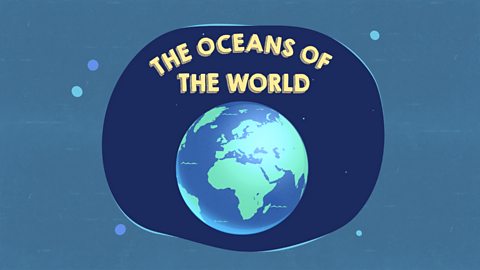
Identifying and exploring the five oceans of the world.
The problem with plastic pollution in oceans and seas. video
Exploring the problems posed by plastic waste to oceans and marine life.