Katie Thistleton:
Hello and welcome to our live BBC Teach discussion programme in celebration of Safer Internet Day which is today as I'm sure you'll already know. My name's Katie Thistleton and over the next hour, we're gonna be talking about the importance of teaching pupils how to stay safe, sensitive and smart online. Thank you so much for joining us. Now, for obvious reasons, we can't do this IRL, as the kids might say, online, but we're still gonna share some ideas, we're gonna answer some of your questions and generally just have a good old chat with our four brilliant guests and they are fantastic, they are a brilliant line up. So let's get right to it and introduce them. First of all, we have former secondary school teacher and deputy CEO of Childnet, Kate Jones, hello Kate.
Kate Jones:
Hi Katie, how are you doing?
Katie Thistleton:
Really good, thank you. Now, of course, it's Safer Internet Day, so we can't introduce you without doing our research first. We've had a little Google, we've had a little bit of dig online and looked you up and you have lots of strings to your bow. You've worked on websites that supports schools, learning resources and even award-winning films, it says online. And now, of course, you are deputy CEO of Childnet, today is Safer Internet Day, so presumably you've had a very busy day. What has it been like for you and just let us know, for those who don't know, what Childnet and Safer Internet Day are.
Kate Jones:
It has been a fantastic day, you're right, so I'm joining you, here from Childnet Towers in south east London and Childnet is an educational charity with a big mission to make the internet a safe and great place for children and young people everywhere. We work in partnership with all sorts of different organisations, from internet industry to government to other charities. We produce teaching resources and we produce advice for parents and carers, children and young people as well. As part of our role in the UK Safer Internet Centre, we coordinate Safer Internet Day in the UK, which has been today. So it's been a fantastic day, I think it's safe to say, it's been our biggest ever, which is just great. We've had more people sign up to officially support the day than ever before, more organisations, more schools getting involved than ever before. We've been trending on Twitter, earlier on today we brought young people together with policy makers, with internet industry to hear directly from them about what they want to see from an internet they can trust.
Katie Thistleton:
Amazing, it sounds really interesting and it does seem to get bigger and bigger every year, doesn't it, Safer Internet Day and I suppose maybe this year, that's a reflection of the fact that we are all online a lot more, which is something we'll be getting into. Our second guest tonight is an associate assistant headteacher who specialises in computing and ICT at a people referral unit in London. It's Craig Cunningham, hello Craig.
Craig Cunningham:
Hi Katie, how are you?
Katie Thistleton:
Very good thank you. So pleased that you're joining us. You are part of something called The Difference, a leadership programme. So can you tell us a bit about that because it is really interesting and also let us know how you've been marking Safer Internet Day today.
Craig Cunningham:
Yeah definitely. So, The Difference is an organisation which looks to reduce the number of exclusions in mainstream schools up and down the UK. So The Leadership programme basically takes mainstream middle leaders, puts them into alternative provisions up and down the country as senior leaders, with a hope of creating an information exchange where we can take some of the practice from AP, back into mainstream to really try and reduce the amount of exclusions that happen, because it is a really major issue that's happening in our schools right now.
Katie Thistleton:
That's fantastic. It's not something that I knew existed, but what a brilliant programme it makes perfect sense, doesn't it? Have you been doing anything in particular today with your pupils for Safer Internet Day?
Craig Cunningham:
Oh yeah, we've been doing some fantastic stuff, there's been some really great debate in our lessons today, just around fake news, targeted advertising, how that can impact us and the sort of, the negative connotations that can happen when we don't know the trustworthiness of some of the content that we see online.
Katie Thistleton:
It's a different world from years ago when I first became a kid's TV presenter and we would do, say for internet day, based stuff, it's just amazing how, you know, we didn't hear fake news or we didn't hear targeted advertising, those were just things that just, we didn't worry about and weren't as big a deal as they are now, so it is just amazing, isn't it, how fast this change is.
Craig Cunningham:
It really is, isn't it?
Katie Thistleton:
Yeah, yeah, it's incredible. Our third guest is a clinical nurse consultant who specialises in children's mental health, so a very important person to have on the panel tonight and she's also written an article that's on the BBC Teach website about how we can all scale back our screen time. So she's got some good tips, it's Emma Selby. Hello Emma.
Emma Selby:
Hi Katie, are you all right?
Katie Thistleton:
Yeah, really good, thank you. Tell us a little bit about the article that you've written. Maybe chuck a few tips in there for any teachers or parents watching this, who feel like they need to scale back their own screen time a bit.
Emma Selby:
I think we all feel like we need to scale back our screen time a bit, like we live online now, but this article we looked at, gave eight top tips on how to reduce the impact perhaps of the screen time that you are having. So thinking about things like it's really easy to forget social skills and how to actually talk to somebody via a telephone or like kind of turn-taking when you're not doing video calling and also thinking about, I suppose protecting ourselves when we've got this space where we're constantly expected to be online. How do we make sure that we're not giving into things like toxic productivity or finding that we're exposing ourselves to online risks, which is really important to think about on days like today.
Katie Thistleton:
Brilliant, well that article is fantastic and you can get it in full on the BBC Teach website if you want to have a little look. Now last, but of course, by no means least, our fourth guest tonight has 20 years of teaching experience, has been an advanced skills teacher and is now head of ICT Computing and Business at a high school in Bolton, it's Arif Bharmal. Hiya Arif.
Arif Bharmal:
Hi Katie. How are you?
Katie Thistleton:
Really, really good, thank you. Tell us about Safer Internet Day with your students today. It must have been a little bit strange, you've been teaching a long time, but this year you've actually had to do Safer Internet Day on the internet, how did you mark it?
Arif Bharmal:
Oh, I'd say it's been absolutely brilliant and very different, like you just said. We've taken the opportunity to get the form tutors in school to take a lead in this and they've been given a number of websites, a lot of them provided by Childnet and they've watched these videos and it's opened up discussions with their form tutor and it's really interesting, the fact that if you want the pupils to open up and share their experiences, they need to be able to do it with somebody they trust and there's no-one more than they can trust really, than their form tutor. So they've taken a lead on it this time round. And then we've tried to focus on three particular areas, the first one is sadfishing and sadfishing is where people take their own sort of personal emotions and the problems that they're having and they post them online, looking for sympathy. But this can go in either two, you know, one way or the other, they can get the sympathy, they can get the support that they need, but at the same time, unfortunately, it just opens them up to all sorts of abuse and we need to look at that .So that's one thing that we've been looking at. And the other one is, what's mentioned before about screen time, a lot of our students are logging onto their computers from sort of 8:30 in the morning, working all the way through till half three, but then they're not having this break from the digital screen and they're just going on their computers again or going on the X-box or the Playstation and then they're playing games up until god knows what time and we need to sort of-- we've been trying to explain to them what cues to look for and one of the main ones is is that, if you're constantly thinking of Fifa, Fifa 20 or Fortnite, then you need to really look at this and have a discussion with somebody. Yeah, and finally, you know, we will when we come back into school, we're gonna take all this up with the learners again because at the same time, there's so much you can do online, but I also believe you need to have that personal touch with them, for them to really sort of get what we're trying to say.
Katie Thistleton:
Sounds brilliant, sounds like you've been doing some fantastic stuff there, Arif and sadfishing, it's something that I wasn't aware of until very recently when I joined Tik Tok and saw a lot of that. So that's probably something that many people watching this haven't heart of before, so great, that we're gonna get into those conversations tonight as well, cos it is hard to keep up with it, isn't it? [LAUGHS] As an adult, to like keep up with the kids, keep down with the kids and figure out what is going on, on there. Now we have a fantastic panel here, as I'm sure you'll agree, so don't waste this opportunity. I have so many questions that I would love to ask all of you, so if you're watching this and you do have a burning question, we're live until eight PM, so you can send them in, those questions, via our Facebook page, just @BBCTeach or tweet us and use the hashtag SaferInternetDay and I'm gonna be putting some of the questions to the panel a little bit later on. Now Kate, we know that teachers don't have it easy at the best of times, never mind at the moment with COVID, there are countless conflicting priorities, limited curriculum time, but having said that, why do you think and I assume you do think [LAUGHS] this, it's important to still ensure we're prioritising digital literacy and internet safety in schools?
Kate Jones:
So firstly yes, COVID or no COVID, there is, there are countless pressures on teachers and I think all teachers everywhere have been doing an absolutely fantastic job over the past year of managing all of those huge changes that we've all had to go through as a whole society. So I wanted to just take a moment to acknowledge and appreciate all of that herculean job that's been going on all across the UK by all of our teachers. And yes, I do agree with you, it is a really important issue and something that we want teachers to build into their teaching. I think the most important reason is probably reflected in the research that we brought out today for Safer Internet Day which shows that for the very strong majority of young people, they feel that being online is a more important part of their life now than ever before. They are absolutely reliant on the internet for every aspect of their lives, from learning and research to entertainment, to keeping in touch with friends and family, to having those online friendships that they have, they cannot see each other face to face at the moment and so they are absolutely reliant on the internet for so many aspects of their lives. But not only that, about three quarters of them also told us that they felt that their online community had been a really positive force and helped them through the pandemic. So even though there are issues which other panellists have already touched on, sort of around the screen time or the types of content that you might come across online that people should be aware about and prepared for and know how to deal with, what young people say is that this online life is incredibly important to them and because it's so important to them, it can be part of or parts of the curriculum, you know, the way in which young people find out new things, research, learn a musical instrument is online now and whatever they wanna do, they can do it online and so when we discuss so many different aspects of their development, they're learning the online world has a real relevance. I don't see that going away once schools are open face to face, even though young people will one day, soon we hope, be able to go back into the classrooms.
Katie Thistleton:
No, not at all, I always like to say it's a bit like sort of teaching road safety, teaching someone to cross the road or drive a car, it's not practical to say, don't ever go out onto the streets or don't ever drive a car because you're gonna do that, you're gonna have to do that and there's a lot of benefits as well, isn't there, as you said, lots of young people have said that they've found a lot of positivity has come out of using the internet during lockdown. But it's about teaching, teaching you how to do that safely and happily and the theme this year of Safer Internet Day is trust and reliability and I mentioned earlier on, you know, that never kind of was something that necessarily came into it, you know, fake news and that kind of thing. What has this meant for you, Kate, this year, because it's more than just fake news, isn't it, this is a big section of the internet.
Kate Jones:
Yeah, absolutely when we spoke to young people about it, back in the summer, when we were investigating what to focus our campaign on, this issue of trust and reliability was one that was forefront in their minds and they are coming across content such as clickbait, chain messages, sponsored ads that are sneaked into other things they're looking at, they are coming across offers to trade or get items or games, there are all sorts of different types of content that they're coming into contact with. Nearly half of them told us that they come into contact with this misleading content at least once every day and when you are absolutely reliant on something and then you realise you can't trust it, that has an enormous impact on young people. I think for somebody of my generation who grew up without the internet, there was never a time in my life where I would go to a book or a library or an encyclopedia on a shelf, read something to research for homework and then think to myself, "Is that true? That fact I've just read?" There was never, that just would never have crossed my mind and yet because young people are absolutely reliant on it, reliant on it for everything that they are finding out and doing, not being able to trust and having to sort of constantly navigate this world in which not everything is as it seems, does take a toll on them. Over half of them just assume that images that they're seeing online are edited or filtered. That's how they approach it. They just assume that it's not as it seems.
Katie Thistleton:
And filters are something else now. It's not a case of it just blurs your skin a little bit and makes your skin look clearer, as it used to. I don't understand how the technology works, but literally, you know, I could pick up my phone now, scroll across on Instagram or Snapchat and I've got bigger eyes, bigger lashes, you know, bigger lips, chiselled cheek bones, just with a filter. I mean, the technology is incredible, you've got to give them that. But, it is just a given, I feel like that when I go on Instagram, it's just a given that everyone's stories they'll have put a filter on, cos why wouldn't they? [LAUGHS] Why wouldn't they drastically improve how they look when it's that easy? Emma, through your work in children's mental health, what can you tell us about the impact on young people? Kate mentioned there that, you know, that seeing these things every day does have an impact. Is there a link between digital activity and mental well being?
Emma Selby:
There's definitely a link, so we know from looking at young people's mental health and looking at the trends in mental health, that a lot of young people will report that they compare themselves to what they see online and the filters that they see can often lead to them taking comparisons between what is real and what is not real and not being able to distinguish between what is a filter and what is not a filter, like you said, the technology is so clever, sometimes it's hard to know a 100 percent that that's a filter, can really affect young people's self esteem and we've seen that in the increase in mental health. We know from the Children's Commissioners Report this week, or end of last of week, there has been a real increase in the number of young people experiencing mental health. I think it's probably as common as one in six now, up from one in nine and social media played a big part in that. That comparison culture and that toxic productivity that comes from the online world of not being sure what, what you can trust and what you can't.
Katie Thistleton:
Are there any particular issues, do you think, that children are most anxious about?
Emma Selby:
I think we've seen a real change in the types of anxiety young people experience online. So when you ask adults this question, they often think it's about online safety, whereas young people tend to tell us that it's more that they are particularly concerned about the amount of fake presentation online, so the amount of people that present, not necessarily fake news, but things like Arif was saying earlier, like sadfishing and putting out stories that might not be true, to get a certain reaction and things like that. But also, things like, hashtags, so you can follow certain hashtags, that will then bombard your content with certain things, so there are hashtags around self harming techniques, there are hashtags around different ways to cause emotional distress to your peers and if you get caught in one of those hashtag alga rhythms, you can quickly find that your feed is full of stuff that's quite toxic for your mental health and not being entirely sure how to break that is often a concern for young people.
Katie Thistleton:
I think there's such stress as well, that's something that I feel and I feel something that lots of young people feel around keeping up with your social media, sort of having to put things on there and get loads of likes and get loads of followers. You create a job for yourself almost, don't you, a stressful kind of job that you never get away from, is that something that you find that there's even…
Emma Selby:
It actually has a name.
Katie Thistleton:
Does it? What's the name?
Emma Selby:
It's called toxic productivity and we talk about it loads and it's basically this idea that you have to keep creating this perfect rendition of content or ideas and put it online and you're right, it's not just young people and COVID has made it slightly worse. I feel like everyone left the first lockdown, baking bread, yoga, queens who were somehow meant to look amazing in the summer and it's just this pressure of this online world, which you have this sensation that you need to keep creating and showing this version of yourself that is what everyone wants to see. When in reality, it's not the world for anybody and that's the first sign we say to look for, you know that it's becoming toxic and it's toxic productivity if you find that you feel pressured to alter the version you are seeing in order to put it on screen.
Kate Jones:
I love it when things have a name, Emma, I love it when things have a name.
Emma Selby:
It's got a name.
Katie Thistleton:
You just feel like you've conquered them a bit already, when they just have a name, don't you? Yeah, I'm sure it's something that teachers and parents who are watching this have been through as well. Arif, did you want to come in on that? Cos I know that you're concerned about teachers feeling the pressure to use social media as well, aren't you?
Arif Bharmal:
Yeah, just to touch on what was just being said, about the toxic side of things, you know, we have this thing called the alternate selfie, you know, and we've got young people taking photos of themselves looking at it, not being happy with it, take it again, take it again, take it again and then using these filters and changing their appearance just because, you know, they want to look like these people who are in the magazines and in the papers and things like that and that's not good for your health either and you know, the irony is, is that they know that the people that they're looking at, these models, they've all been photo-shopped, you know, they know it's not real, but when it comes down to taking an image or a photo of themselves, they're going to keep trying and trying and trying until they get this ultimate selfie.
Katie Thistleton:
Yeah. I mean I won't lie to you Arif, I've taken a few selfies just tonight. It's something that I feel a massive pressure as a presenter. You know, I think it comes into a lot of jobs now. There's a lotta teachers who have a big following and posting about being a teacher online and that. You know, they'll probably feel that pressure too I'm sure. And lots of the parents who are jobs where they have to use social media. I mean is there any job where you don't have to do social media in some way now? You do with most, don't you? Emma, it's not all negative though is it? You know, social media does get a bad name, but I've spoken to people who've said that in lockdown it's been a lifeline for them. So, are there times when actually using the internet can positively impact our mental health?
Emma Selby:
Yeah. You are so right. Like, we can all get into that kind of mentality of the internet is bad, it's bad for us, but it is absolutely, as Kate said earlier, for young people it can be a real lifeline. We know that there are a number of really good support groups that run on social media. There is always things like posts of the day, happiest moment of the day. I get, like, on my stream I'll quite often get, like, a little pick-me-up quote that'll make me think, yeah, do you know what, maybe I've got this today. And for a lot of people it was a life saver during lockdown. I think the important thing to remember, particularly if you're thinking about how to include some of this work in the classroom or you're having these conversations with young people, is making sure that they know how to filter the internet so they get those positive moments. So, if you are working with some people and they're following hashtags or they're following accounts that make them feel bad about themselves or worse about themselves, unfollow those accounts, we don't need that toxicity in our lives. But following accounts that make us feel good about ourselves, knowing where we can go online to get positive support, knowing where we can find creditable support groups, so that's support groups that are run by professionals that have professionals in them that have the safeguarding in place, can make the internet a really empowering place. And actually can help young people, and adults, really connect in a time when we can't be together face to face. But, it's knowing how to get the good out of some of the bad.
Katie Thistleton:
Definitely. And it's not always as easy as it sounds. There's definitely accounts that I should unfollow that I'm still following, and you think, no, you shouldn't, maybe this isn't good for you;. Kate, did you wanna jump in there about the positive effects of the internet?
Kate Jones:
Absolutely. Just to build on what Emma was saying. One of the things that we've heard from young people recently, particularly in lockdown, is that gaming online, particularly with your friends, has been a really positive outlet. So, yes, it's a different type of screen time. It's not a lesson online, it's not homework online, it's not watching a streaming service. But, just that idea of being able to game together. And interestingly, what young people have told us is that it gives you something to talk about when life is a little bit limited at the moment, to say the least. And, you know, we're not able to sort of meet up and do the things that we would normally do, play the sports that we would normally play, being able to game online and chat about it, it's something that brings you together, it's something you can have in common with each other. And so, young people have said they really enjoy that aspect of being online.
Katie Thistleton:
Yeah. I mean I'm thinking memes have saved this past, you know, couple of years, haven't they? Just funny videos and memes about [BREATHES HEAVILY] the situations that we've been in have been great, because they've just brought everyone together and sort of reminded us that we can still sometimes laugh about things, even if everything's [LAUGHS] seeming pretty terrible. Craig, you are a specialist in this area, but for any non-specialist teachers who are watching this, how can they get started? Because obviously the pace of change online is frightening. As we've already said, things move so quickly. So, you can forgive people for feeling a bit daunted. How do we take this on Craig? [LAUGHS]
Craig Cunningham:
Definitely. I mean as digital immigrants, which is basically what our generation is called, those individuals that didn't necessarily grow up with–
Katie Thistleton:
That's a great phrase. [LAUGHS]
Craig Cunningham:
Yeah. Digital immigrants are people who didn't actually grow up with the internet. And trying to have conversations with our young people who are called digital natives, the ones who actually grew up knowing how to use technology straight away, can be such a daunting task. I guess the first thing is to actually use young people as the experts, with the older ones. So, we could call us gatekeepers actually. We know when people are gonna go in the wrong direction. So being brave enough to have those conversations, getting the feedback from young people, and then acting as the barometer, sensing what could go right, what could go wrong, and then challenging the thinking on those issues, is a really great place to kind of really jump off and get that dialogue and that transparency and the openness with students.
Katie Thistleton:
I love that. I love that. And we've got yet again a great phrase. And Arif, in your experience when you're teaching, do pupils respond well to this as a subject matter. How engaged are they in lessons around internet safety? And how do you kind of handle those more challenging topics in the classroom, such as something like gaming addiction or sexting?
Arif Bharmal:
Yeah. It largely depends on what we're covering at the time. So, this is great. Today is absolutely amazing, you know. But, as a department, as a school, we are constantly reminding our children to be safe online. It's a 12 month programme, you know, and we're constantly talking about it in class. And what I usually get is, oh sir, not again, are we doing this again? And, you know, I say to my learners, look, I'm not gonna apologise for this, okay? My number one priority is to teach you how to be safe online, and you've got to appreciate that, you know, what was dangerous this time last year might not be now because you're educated about it and you know what to do. But then, there's gonna be something that you don't know, you know. Technology's evolving, everything's evolving, and we need to keep abreast of all these changes. So, often than not it's, oh, are we doing this again? Yes we are, okay? The other thing that we look at is body image and photoshopping. And then we talk about [CLAPS HANDS], you know, how this plays on our learners minds. They really enjoy doing that. You know, they really love comparing, you know, original pictures to photoshopped pictures, and then they start getting the idea. So that's okay. But then when I'm looking at something like sexting for example, that really depends on who my audience is. So, I do talk about sexting with the year sevens and eights. And it's just to make them aware that, you know, if you're gonna send a naughty text, okay, is it appropriate? Is it relevant? Who are you sending it to? And it's all about them asking themselves questions about, is this the right thing to do? And, you know, they get a bit embarrassed and they get giggling, but it plants the seed that, you know, they need to be aware of this. But then moving on towards the older children in school, Key Stage four kids, they come across it really well, because they can almost empathise [NOISE] with sexting. Either they've suffered from it themselves or they know somebody quite close that has experienced this sexting. And, you know, it just opens up and it brings out the fact that whatever they post online, you know, it's gonna be there forever. And, you know, they've got to be really careful. You know, and it sort of imprints their digital footprint as well, you know. So, yeah. So it really depends on what we're talking about. The big one, the challenge that I have the most, is gaming addiction. A lot of my learners, when we talk about gaming addiction, they don't realise that it's a problem. You know, sexting they can see that that can be a problem. [CONNECTION LOST]
Arif Bharmal:
But when it comes down to gaming addiction, it's about how much time they spend online. And I totally appreciate that we're in a lockdown and the learners aren't getting the social side of life and they are socialising online. But equally, I think it is so important that they have some unplug time as well. And, that can just be maybe a couple of hours a night or an afternoon, a week. But it's just so important just to switch off and just sit down. You know, I get my phone to just do nothing for ten minutes.
Katie Thistleton:
Yeah.
Arif Bharmal:
You know, just do nothing. [LAUGHS] And they find it hard. But, you know, it just depends on the topic that I'm talking about. And just empathising really. We try and get them to empathise. Cause if they can put themselves in somebody else's shoes, they're then gonna sort of understand where they're coming from. They can then understand the dangers. So, yeah. So, yeah, sexting can be difficult, depends who it is. Game addiction is the hardest one that I have to sort of talk to my learners about. But everything else, you know, they're quite keen and they're [NOISE] happy to learn.
Katie Thistleton:
That's interesting, and interesting how you have to sort of change it for different age groups as well. Craig, you were nodding a way there at the asking them to do nothing for ten minutes as if you have prior experience of that. Is that something that you've tried to do with your pupils?
Craig Cunningham:
I think getting students to just do nothing for ten minutes is probably a luxury in terms of if you get them in the pocket where it's just complete silence and there's just that feeling of just self reflection. It doesn't happen very often but when it does it's a beautiful moment. But the other thing that I was definitely agreeing with with Arif, was the idea of empathising, actually putting themselves in that position. So if you think about sexting, like you said, you know, once something is out there on the internet it stays with you for the rest of your life, on a digital platform. So something as simple as taking a picture of students making a funny face or something like that. And then maybe a week or so later plastering it all over the classroom and leaving it there for each lesson and seeing how the students actually feel about that. And then getting them to reflect on this idea of, okay, this image that you took a couple of days ago might look a bit silly, it was something that we could laugh at, but eventually it starts to feel a bit uneasy. How does that actually represent itself in the digital space? So, you know, the idea of getting naked online or something like that, how is that going to affect you? What other issues could actually come up? If you think about say for instance, platforms like Chatroulette, where young people will go onto sites, talking to random people. The person on the other end could be recording that video. What could happen to that image when you don't actually have any sort of ownership of that image, any sort of autonomy of that image further down the line? It can actually have some quite negative connotations for young people. So getting them to think about those situations is really really important.
Katie Thistleton:
Definitely. Yeah. I think that's an excellent way of doing it. Arif, did you want to jump in there?
Arif Bharmal:
Yeah. Yeah. It's just what you're saying. It was really interesting, you know, in your introduction today, you said that you'd googled and had a look what was out there and what information was there. And this is it you see. You know, if I've said something, if I've wrote something. And believe it or not, I might be an IT teacher but I don't do social media Okay. I've never been on Facebook, believe it or not. Okay? I do follow Twitter. But other than that I just don't have anything [LAUGHS] online. But we explain to our learners that, you know, even if you get a job, you know. When people apply to our place, we get the application and we have a look at it, and we will Google that name…
Katie Thistleton:
Yeah.
Arif Bharmal:
…and see if there's anything on there. And there's been a couple of times when we've googled something and something's come up, which, you know, our school and our community doesn't wanna be associated with something that was probably said in anger or years ago and they don't feel like that now. But it's just jeopardised their future because of some stupid image or comment that they put. Yeah. So, you know, they really need to be aware of that.
Katie Thistleton:
Oh it's completely true. I mean, you know, how many of us have got a friend who we actually quite like in real life but on the internet they actually really annoy you? So, you know, if that's someone who doesn't know you yet and that's gonna be their first impression of you. And [EXHALES] it's something that I've always thought about, cause there are countless TV presenters who have been caught out for something they tweeted a long time ago. Anyone who's got Facebook memories will know that you cringe when you look back at something you said ten years ago, and pictures you put on ten years ago. And again, yeah, lots of people get caught out by sexting. And I think what you said about-- Craig I think it was you who said about someone could be filming everything you do, and that's so true. I mean this is going out anyway [LAUGHS], but I can so easily film this Zoom meeting, any Zoom meeting, anything you're doing without people necessarily knowing that that's gonna be there forever. It's scary. Arif, let's talk a little bit about Sadfishing, because you mentioned that at the top of the show. So, let's clarify for people watching who haven't heard of it before, cause I hadn't. What is it?
Arif Bharmal:
It's basically where you use something sad in your life and you use it to try and hook people to join you on your social media platform. So, it's just like the word says, you use something sad and then you're using that to fish for likes. You know, you're fishing for views. You're fishing for sympathy. And what really annoys me is that there are so many influences online, and YouTubers, that use this sadfishing to just boost up their numbers, to boost up their advertising revenue. And it's almost like they're making a mockery out of mental health issues, which, you know, its just not the right thing to do. So, we teach in school that, you know, it's great the internet and there's so many places on the internet where you can get the help that you need, but posting that you're feeling depressed or sad or lonely, Facebook page, your Twitter page, TikTok, this is not the place to do it, cause it'll just open you up to so many problems, you know.
Katie Thistleton:
Kate, did you wanna jump in and say something about that?
Kate Jones:
It's really interesting what Arif's saying there about the motivations that people have to post online, on social media. And I think that's something that we found when we researched with young people that they wanted to find out more about. And, so, it's been a focus of this year's Safer Internet Day resources, is looking, especially for Key Stage two actually, about the motivations why people post online. The fact that the internet is out there for people to make money from is an amazing thing and we can all do that. And, as they grow up, it's important that they know that they can look at that as a career option as well. But just understanding that people do post for likes, for money, that they do post sponsored content. And looking out for the signs for that and bearing it in mind when you navigate around we think will really help young people to be able to encounter and deal with that content that has a motivation behind it, has a desire for profit or has some support behind it from a product, or from a person. So, that's something that we really value in schools and in lesson plans as well.
Katie Thistleton:
Great. Craig, what did you wanna add to that?
Craig Cunningham:
Yeah. The idea, the motivations behind how people try and target individuals online is really important. And another issue that is really important is the ideal of phishing or pharming, both spelt with a PH rather than the normal with an F. and it's this idea of individuals who will send emails, who will create websites primarily to target people for their personal information. So the idea of going back to trustworthiness, looking at content that is sent to you, say for instance an email that's supposed to be from your bank. Is it actually from your bank? Are they actually trying to get, say for instance, your financial details so that they can steal money from you? Are they looking to get, say for instance, important data from you in order to perform some form of criminal activity? Those areas, looking out for what is a genuine email for instance, and what's a genuine website is something that we should be looking at. And getting students to actually understand the impact of this if they end up in the scenario where they have gone to a website or they have opened up an email. What that can do to, say for instance, their computer. What that can do to their finances. What that can do to, say for instance, those that are around them as well.
Katie Thistleton:
Emma, I know this is something that you are really interested in as well isn't it? The phishing. [LAUGHS]
Emma Selby:
Yeah. Because phishing has become so much more advanced in the last couple of years. Even amongst our fellow panellists here, I wonder how many people have ever seen on a Facebook status, I've got a quick questionnaire, tell me something about you. And it'll ask you, you know, how many children do you have? Where were you born? What's your favourite food? What was your first cat's name? And lots of young people engage in these status questionnaires. But what they're actually doing is providing the world with potentially the answers to your security questions, when you go on online banking. So when people repeat and repost these questionnaires on their statuses, what they're actually doing is allowing hackers the chance to find out their security questions. And that's a really quick and easy exercise that you can do in a classroom with young people, if we're trying to get them kind of in to understanding your idea of phishing for information. Because we do tend to think of it as being emails or phone calls, but it's got very advanced. It can be, you know, photo competitions now, where, like, people ask you to post a picture of your front garden, because it will have your house number in it.
Katie Thistleton:
That terrifies me. Terrifies me that, that putting picture of your street on, you know, and it looks like it's any old street but someone can figure out where yo live from that. Yeah. Be suspicious of anyone asking you for your mother's maiden name, cause, you know, why would they need to know that if it wasn't for online banking. Do keep your questioning coming in if you have any questions for any of our amazing panel here. We're live until 8, so pop them in the Facebook page, @BBCTeach. Or you can tweet us using the hashtag Safer Internet Day and we'll try and get through some before the end of the show. Now Craig, you have told us off air about a game that you play with your pupils, a quiz game, which demonstrates online inequalities, and I think this is just brilliant. So, please, can you explain to everyone how it works?
Craig Cunningham:
Yeah. Totally. I mean this is all about the digital divide and this idea that even though we've got a fantastic infrastructure for the internet in the U.K., there are places, safe for instance, rural areas, there are places, say for instance, in other countries, where they don't have the same sort of access to the internet. So what I like to do in my lessons to kind of really embed this idea of the digital divide, is to do a pub quiz. I split my class into two. One side has access to the internet, to their phones, the other side does not. And I just start throwing questions out, and it's the first one to kinda come up with the answer. It might take a couple of minutes, but eventually the side that doesn't have access to the internet kinda twig onto the fact that the other side has a unfair advantage. And it's that ability to kinda signpost how the digital divide and inequality in access to the internet can really harm some people and really set them back.
Katie Thistleton:
Yeah, I just think that's brilliant. That style of teaching is just fantastic. I never forget lessons that I learnt in school. I remember my history teacher once, during a lesson about Nazi Germany, where she basically did it with a PowerPoint where she said, these are all these new rules we're gonna have in school. And we were all like "this, this is, there's an injustice. I'm phoning my mum." And you never forget what you learn in lessons like that, and I can imagine your students are the same, when they're like, "sir, he's got a phone."
Craig Cunningham:
Most definitely. That emotional reaction and getting reflect on that reaction afterwards, and then actually bringing in the important stuff and getting the two to marry up is so, so worthy doing.
Katie Thistleton:
That's brilliant. Arif, are they are cross curricular opportunities here too, when we're talking about Safer Internet Day, because of course we're talking about critical thinking skills aren't we? And they can be applied across subject disciplines can't they? And just across life as well.
Arif Bharmal:
Oh, there's a strong link between what we do in IT and what happens in say cities in [UNSURE OF WORD] history, where we're looking for sources of information and most of the time it's a secondary stack of information. So it's been mentioned today, but we do a lot of work on fake news, and we teach our learners, you know, what to look out for if they want to know if this source that they found is actually accurate and reliable. And one of the things is we tell them to look for the source, look for the author, look for the date on this particular article and you know, check if there's any sort of bias and then do another search about that story and see if anything similar comes up, or if something different comes up. And that way they can then start to thinking, you know, whether this is true or not, but the key is that if we're teaching this in IT, you know, we need to be teaching it very similar in other subjects as well. You know, our students are very sort of insular, in a sense that, you know, this is IT, this only relates to IT. And if this is Geography, this only relates to Geography. So there's that. There's also the idea of releasing this all to relationship and sex education. There's lots of things that we can look in there. So we've looked at the sex team, we've looked at the grooming, we've looked at the mental health side of things there, and also just looking at, you know, how you know, it doesn't matter whether if you're using the internet at home or in school there's a certain etiquette that needs to be followed, certain professionalism. And when we link there through our sort of personal development time, form time and in our curriculum as well, and we've had a real big push on that particularly with lockdown, and we use teams, I guess like lots of schools do across the country. And, you know, it's surprising how learners treat teams, school teams as their own sort of social media platform, you know.
Katie Thistleton:
Yeah.
Arif Bharmal:
And it's not the case, you know. Don't say "you're gross sir, how you doing?" you know, that's not right. Or, you know, it's just, you know, teaching 'em stuff like that, yeah.
Katie Thistleton:
Love it, love it. Craig, did you wanna come in on that point as well?
Craig Cunningham:
Yeah, definitely. I mean there's so many different opportunities in so many different subject areas to be able to look at, say for being safe online. For instance in English you could take a newspaper article or a blog post and look at the language and look at the narrative and how that language and how that article has been constructed to convince you of something, or how to put a bias in place. In say, for instance, Art, you could look at different pictures and look at how that picture's being trained in a certain way to convince you. Going back to what we were saying about beauty standards as well. Looking at, say for instance, how models have been shot in a certain way, or how Photoshop has been used to blur out some imperfections. There's just so many different opportunities in so many different subject areas, and it doesn't matter time of the day that we're teaching, we can always try and reflect back how we stay safe online and how we can look at things that are trustworthy as well.
Katie Thistleton:
Go on Arif.
Arif Bharmal:
Yeah, sorry, just add on to that as well, if you're looking at the wider school community it's also we need to understand and consider our vulnerable children in school as well. The SEN, the looked after children, because if we're providing a provision of internet safety for a generic type for the whole year it might not be appropriate for these typical types of learners. So you know, they need some sort of bespoke, some sort of one-to-one individual type of, you know, intervention of some sort there as well.
Katie Thistleton:
Yeah, definitely. Kate, do you wanna come in on this as well? And perhaps you could tell us about how children themselves might be able to take the lead with these lessons.
Kate Jones:
Absolutely. I absolutely agree with Arif, and what you're saying about particular young people and communities of young people in the school might need something a little bit different or something tailored to them. Certainly the research shows us that looked after children can tend to be more at risk of certain risks or harms online, than their peers. And those with special educational needs might be more at risk because they have a different understanding of the interactions that they have with their peers online. Or with other people, with people that they don't know in real life as well. And the Childnet recently built a great whole curriculum package for young people with special educational needs, called our Star Toolkit, which looked at those key safety messages around contact with people, and what to trust online. You know, those core topics that we've been talking about. And absolutely adapted them for young people with special educational needs. So I'd recommend that people come check that out online, and use those to help inform their teaching. But what you say about young people taking the lead is a really interesting one. I think that Craig and Arif in particular have already drawn on that idea very heavily in our discussions in terms of young people being the experts. And using what they say and what they know, and we always recommend to teachers that it's a fantastic idea to ask what young people are enjoying about life online, what they're into at the moment and then really listening to their answers. You can get some great insights into what platforms they're using, how they're using them, just simply by asking those questions and really listening to their responses. But young people are navigating this online world. They're often at the forefront of the new technologies that are coming in. They're often using them far before anyone else is, and so they are sort of experimenting and learning all the time, and they are often in a really good position to be able to come up with those golden rules, or to know how to set those privacy settings, and to be able to advice their peers online as well. And that is the basis of one of our programmes here at Childnet, which is called our Digital Leaders Programme, whereby young people go through a gamified online training platform, giving them the tools, the knowledge to be able to then teach their peers to run lessons, to run assemblies, to run awareness raising activities in school, to act as peer mediators, to be able to hold drop-in sessions for other young people around the school as well. And they have a fantastic impact all across the school. Schools notice safer online behaviours. It helps them achieve their safeguarding goals, and so we know that that peer education isn't just something that young people really respond to well, but it also has a fantastic impact in school too.
Katie Thistleton:
That's brilliant. I'm always asking my nieces and nephews to try and keep up with it. I texted them the other day and said "is it true that Generation Z have cancelled skinny jeans and side partings," 'cause I saw a TikTok about it. And they were like "yeah." But then I saw another TikTok from a millennial saying "Generation Z can't cancel their own doctor's appointment, they're not telling me I can't wear skinny jeans." [LAUGHS]. It was like a warring of the generations on TikTok, of the ones that feel too old for it, my age people basically. Emma, did you wanna come in on these sort of cross-curriculum stuff as well?
Emma Selby:
I think it's a really good point, and actually just your example there shows that we can sometimes feel generational like we're not allowed to get involved in this conversation. We, you know, it's a young person's world now and I'm with you, I'm like "who says they're allowed to contact, you know, cancel jeans and side partings, thank you very much. But actually there's so much more than cross-curriculum when it comes to Safety Internet Day because we also have think about parents in all of this, and where they fit in. Particularly for any teachers that are watching that are from primary school. Often we hear from parents that they're not really sure how to kind of go around looking at safer internet, with young children. We did a study recently where we were working with parents and we found that actually delivering good quality parenting advice online could improve parents confidence in dealing with emotional wellbeing for young people, which is really important when we think about the mental health and wellbeing of the population at the moment. But equally, much like young people, parents are getting a lot of fake news online as well. So there was a massive thing, about 18 months ago, where parents were told that there was this scary virus living inside of Kids Tube, that when children watched various episodes of a cartoon piglet, who shan't be named, they would get this random face pop up, that would scare some children it was a complete myth. The point was making parents click on this email to phish their information. But because it became a big social media spreader and because on various mummy blogs they'd written about it parents believed it to be true. So doing the Safer Internet with parents, as well as with young people, is super important, and when you get into secondary school and you've got parents saying, "I can't talk to my child about TikTok, I don't know what TikTok is." Or, not knowing what their children's passwords are on their phones. That's another big issue we've seen with parents. Where they're like, you know, "privacy is really important to teenagers." It is really important, but it's also important that those boundaries are there, from the beginning, as to you having access to their devices. Doing it in front of them, talking to them, learning from young people what they're using, and how internet can be used safely by parents, by teachers and by children.
Katie Thistleton:
Yeah, that's brilliant. Craig, did you wanna come in there?
Craig Cunningham:
Yeah, just to kind of echo what Emma was saying there basically. Having the braveness to be able to sit down and have these conversations with young people is so important. So even if it is just having an hour or two, just sitting down with your child and saying, you know, "let's have a look at this app. Talk me through it. How does it work? What is the point of doing this? What enjoyment do you get out of it?" And then once you're having those conversations it kind of allows you to open up more questions and more opportunities to check. Well is this safe? What is it that you want to get out of it? What can I do to kind of help you? Do you feel scared about anything? Really looking, digging deep into those questions and finding out what things are concerning young people and what gives them anxiety about going online as well. This is such a great way to start having those conversations with them. It's just, like I say, just sit down and just get them to show you what they're doing online.
Katie Thistleton:
It's reminded me of the meltdown that my nephew had when my sister said she was gonna get Snapchat. And he was like "you are not. Snapchat, don't be ridiculous." Emma, obviously safeguarding is really important here, when we're having these discussions. How can we make sure that lessons are safe as well as successful.
Emma Selby:
So you're right, safeguarding is key and it's funny because when we speak to young people we often hear from young people that, "well I already know safeguarding. I know the safeguarding bit," and I think that's because a lot of people, when you say safeguarding online immediately jump to, don't meet strangers. And you know that's a safeguarding lesson that I remember having at school, where it was like, if someone says they wanna meet you online, don't meet them, not allowed [UNSURE OF WORD]. But actually safeguarding in today's world is so much more than that. Much like you I live vicariously through my niece and nephew and my nephew was telling me the other day that on Snapchat you can look on a map and it will tell you where people are on a map on Snapchat. And I was like…
Katie Thistleton:
Oh, my best friend's on it, and I'm like, what?
Emma Selby:
How is that a good idea? Who thought of this? But it exists, and if we don't know these things exist it makes it very difficult to then look at how keep people safer online. I remember my sister's sheer panic when she realised that hashtags were more than just words, and that you could follow a hashtag. And if you followed certain hashtags you could end up in communities. And then her being a special needs teacher she was like, I've got children who use the hashtag that they have autism, or that they have a certain disability, that therefore they're now advertising online and might make them more vulnerable to being groomed, or being targeted by people that are looking to involve gangs. Because she thought hashtag was just a word, that got put on the end of a post. So understanding how these things interact with each other is as important a part of safeguarding now as saying to people "don't meet someone you meet online." And those complications really do start in primary. So BBC Teach have a number of really strong resources on how to have safeguardingconversations and having that wider safeguarding conversation. So including everything from being really critical about what you're reading, is it real? Is it fake? Looking at whether or not people are asking for personal information. Ensuring that when you're doing video calls, this is a bit of a new world, we're constantly video calling, that there's not something in your background that gives away where you are, where you live. That your mum hasn't put a naked picture of you up from when you were 18 months, 'cause it was cute, but it's not so cute now that you're 16. Or whatever else in the background. Thinking about things like if you've got a social media platform, is your date of birth in your social media handle. A number of young people put their year of birth in their social media handle. That means you're letting people know how old you are. So these are all much more subtle parts of safeguarding, that's really important that we include in the curriculum, because it is such a broad topic and how we're thinking. Things like with the online gaming, Arif talked a lot about how difficult it is to have that conversation about online gaming. But actually, you know, we see a lot in the primary schools, needing to talk to young people about the fact that online money is real money, and when you're putting in details and that you can, can be tracked for those things and if people are asking you to send stuff to them, you're not just sending digital money, or digital tools, you could be sending mommy and daddy's hard earned money over to that stranger as well. But if we don't have those conversations and we don't widen that view of safeguarding, then we won't be able to have the depth that we need to have.
Katie Thistleton:
That's all brilliant stuff. We're really running out of time. So just ask this really quick question that we've had in from Lesley on social media, 'cause it's really good. What should teachers and parents do about group messaging apps? What's a safe way for parents to keep in touch? Should the kids be using What's App if it's for over 13's for example? Kate, is that something that you've come across, yeah, the black hole of group messaging?
Kate Jones:
Absolutely. It's something that I think so many young people use. And there are some risks involved but broadly young people are keeping in touch about all sorts of different things, so especially-- particularly school work at the moment. And they'll be using apps like What's App or Messenger for that. In fact the legal age for What's App is actually 16. A lot of parents don't know that, and I think it's something that's worth them knowing, that it's not necessarily the same as some of the other popular services that kids use. And it's often one that I find that young people maybe even start using before they start using other traditional social media platforms. And it's an interesting one, because it's really important for young people to be in touch with each other. And especially now. A programme like What's App is gonna mean that you can call, you can message, you can stay in a group, you can explore homework or hobbies. You can follow your team, whatever you wanna do on What's App. So it's got incredible potential for fun and for communication. But we do know that it can be used to exclude young people or that it can be used to, you know, record and send messages that might target young people who are in that group. And so it's really important for parents to be aware of that, and for schools to be aware of it. We hear, we hear anecdotal stories about chats that start off with What's App and end up with four or five thousand messages. Not only is that very stressful for all the young people who are receiving all of those messages, the little red spots in the corner of app, on overdrive of an evening, and suddenly thinking you're missing out and feeling like you have to engage constantly with this app. But then, you know, the arguments, or the safeguarding issues that can arise very, very quickly as a result of that, of exchanging multiple messages. I feel like parents are using What's App as well, and if a parents group is able to share, is able to find out from their young people what's going on, if there are any issues and able to contact each other and discuss that in the same forum, or in a different forum. I feel like that will go a long way to helping protect young people. If we as parents can just listen to young people and understand when something goes wrong online we're much better at being able to sort of help sort them out. If we have those regular conversations and if the young people in our lives feel like they can come to us with those problems, so that that trust is built up and maintained.
Katie Thistleton:
Brilliant. That's great advice. So yeah, any messaging platform that you might be using, really good advice. We're out of time. So I'm just gonna go to each of you now and get a really quick takeaway tip. So this is one thing that a school could change from tomorrow, a simple and ideally low-cost idea to help them teach about the importance of staying safe and happy online. Arif, we'll start with you, if that's okay.
Arif Bharmal:
If you don't mind I've got two. One for sort of teachers, colleagues that we work with, and the students. For teachers, you know, we want the best for our learners at all times. But if any of your staff or people you work with have got the Teams app, have got the email app for work on their phones, I would advice that they either delete them, or turn the notifications off from say six o'clock in the evening till seven o'clock in the morning. You know, I'm getting staff saying "oh I feel under pressure. You know, somebody's asked me a question about something that I've set today and this question is coming at ten past ten, 11.30 in the evening." And they're not able to switch off, so in terms of teacher wellbeing I think that could be sent out tomorrow. And for students, it's about questioning everything, and you know, do I need to do this? What would my mum say? Is this real? Why are they asking me to do this? It's just question everything, and in school if you could create a board, or a wall somewhere with the questions that young people should be asking, that would be an easy and quick way to educate them.
Katie Thistleton:
Brilliant. Always ask a question, great advice. And Emma, quick tip from you please?
Emma Selby:
So mine would be, and it's one of my favourite activities to do with anybody, adult or child, is a true moment of happiness. So whether you are doing a zoom classroom tomorrow, or you're in the classroom, regardless of the age, at the end of one of your sessions, it can be the last session of the day, or it can be any of the sessions really, to ask every person in the group, including yourself, give a true reflection of one thing that you achieved today. And that is because what we tend to find is that we have quite a negative self internal thought. We tend to turn it into something that's a bit self deprecating. No, one true thing that you did well today. Sharing that online with each other at the end of your session tomorrow.
Katie Thistleton:
Love that. And Craig, tip from you?
Craig Cunningham:
Yeah, understand your context. I would get out, straight into school tomorrow, get a survey out. You know, understand what apps your students are using. Then make use of student voice. Bring the data to them and get them to actually teach you as the teachers what these platforms are all about, and you can use that to actually then start embedding some real good online safety.
Katie Thistleton:
Love that. And Kate, last but not least.
Kate Jones:
Well we hope that Safer Internet Day is the start of a national conversation that lasts all year round. And it's good to know for teachers that all year round there is a helpline dedicated to online safety for professionals. It's the professionals online safety helpline, is the name. You can find the links to it at saferinternet.org.uk. And the staff there are on hand to answer questions that educators have about the online safety and safeguarding of young people. And also for their own professional reputation, online safety concerns that they may have as teachers and educators as well. And I think that they can help with so many different enquiries that teachers might have all year round, not just today.
Katie Thistleton:
That's absolutely brilliant that helpline, fantastic. I didn't know that existed, but that is absolutely amazing. We could chat about this all night, there's so much more stuff that I just wanna chew the fat [LAUGHS] about, with you guys. It's just, yeah, there's so much to chat about isn't there? You've been amazing, but we've already gone over time, and I wanna let you all get on and have your evening. Especially Kate, you've had a long day. But thank you so much everyone for watching this, even though we're saying that you need to spend less time on your screens, you've joined us at 7pm in the evening to look at a screen, so thank you. And if you do want to find more information there's loads of stuff on the BBC Teach website. There's a whole collection of Safer Internet Day classroom resources for teachers there. There's also a BBC Teach Live lesson, which went out on CBBC today, presented by Rhys Stephenson. My lovely friend Rhys there, which will teach pupils how to stay safe, responsible and happy online. And also other stuff for kids, Newsround. Search for watch Newsround online and they've got updates there for six to 12 year olds. And the BBC Own It website as well has loads of resources for children, offering guidance and support to help young people live their best lives online. So loads and loads of great stuff for you to check out. But thank you so much to our wonderful panellists. You've been absolutely amazing, and I've got to say, Craig and Arif, you must be the coolest teachers in your school. Everyone must-- the pupils must love you. I'm sure, you know, I'm sure you have your moments, but yeah, you must be really popular teachers. I love it. [LAUGHS]. Thank you so much everyone. Take care.
A panel discussion programme for teachers hosted by BBC Radio 1's Life Hacks presenter Katie Thistleton, with ideas and best practice around helping pupils to stay safe, sensitive and smart online.
- How do we teach pupils how to use technology safely, respectfully and responsibly?
- How can we help pupils recognise acceptable and unacceptable behaviour online?
- How do we ensure that they know when and how to report concerns about content and contact?
This programme originally broadcast live on 9 February 2021. For 2022's Safer Internet Day programme, exploring respect and relationships online, please click or tap here.
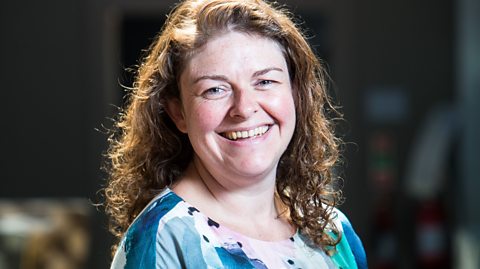
Our panel:





Watch again: Safer Internet Day 2021 - Live Lesson. video
Produced in partnership with the UK Safer Internet Centre and aimed at primary-aged students.
Safer Internet Day - Teaching Resources. collection
A collection of teaching resources that can be used to explore online safety with both primary and secondary pupils. These classroom resources can be used to educate pupils on using technology safely, respectfully and responsibly.
Scaling back screen time. document
In this article for teachers Emma Selby, a clinical specialist nurse in children's mental health, shares tips on what parents and young people can do to scale back screen time.