The hair-raising evidence
Over the last 70 years, we Brits have done pretty much everything we can think of to our hair – from mohicans to mullets and from beehives to bobs. Why do we do it and what does it all mean?
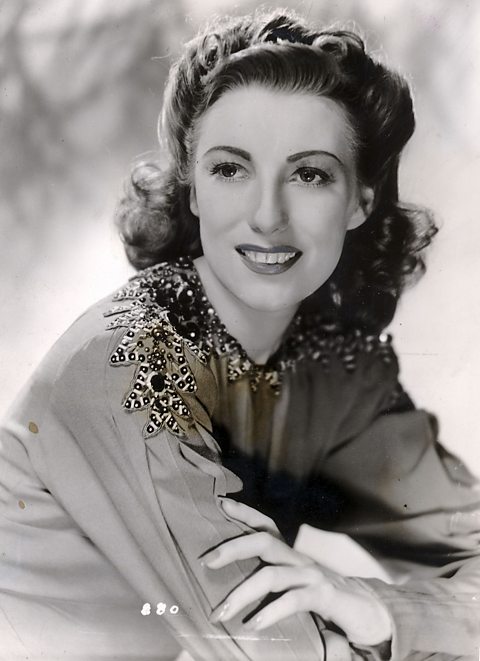
1943
Wartime austerity hair
Many of us have a wobble now and then about a dodgy dye job or split ends.
During World War Two most Brits had more to worry about, like bombs dropping from the sky and having to eat powdered eggs. For the men, wartime meant short hair. The women, however, had a bit more fun with curls and waves. Whether they were in factories or farms, women’s hair needed to be practical and pinned away from the face. Natural-looking curls were seen on most women during the war, sometimes incorporating a 'Victory roll' with the hair in a larger section curled off the face.
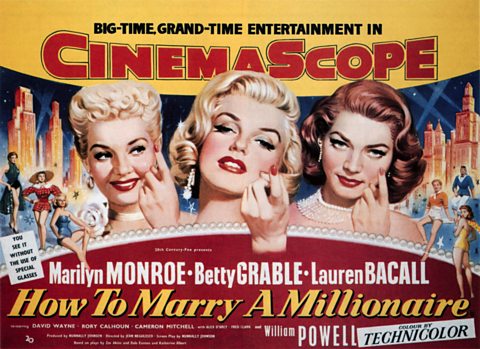
1953
Pinups and pincurls
In the 1950s equality of the sexes was still some way off. Women’s hair reflected an ultra feminine look – whether with curls or cute pixie cuts.
Gender stereotypes reflected the female role on the domestic front too, with most British girls leaving school by 16 and planning a life as a mother and housewife. Hollywood stars like Marilyn Monroe set the style in hair with glamorous waves. Many British women would have a weekly ‘shampoo and set’. It was quite usual to sleep in curlers between hair appointments. Each day, the curlers would come out and it was time to face the world!
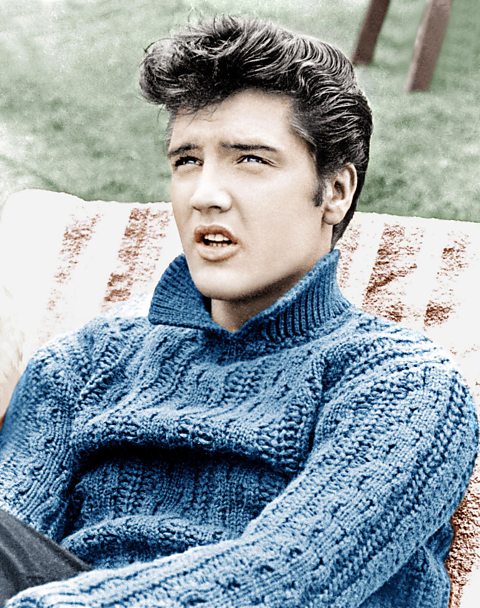
1957
It's all about the quiff
The 1950s saw the birth of rock’n’roll, much to the horror of the older generation who were convinced it meant the end times were round the corner.
Elvis Presley was the ultimate style icon. His hip-wiggling action was so alluring that it earned him the nickname Elvis the Pelvis. His slicked quiff, or pompadour (based on an 18th Century style), became popular with young, fashionable men. The quiff was achieved by slicking the hair up and back using products like Brylcreem. This iconic hair product, created in Birmingham, was a staple in bathrooms across Britain.
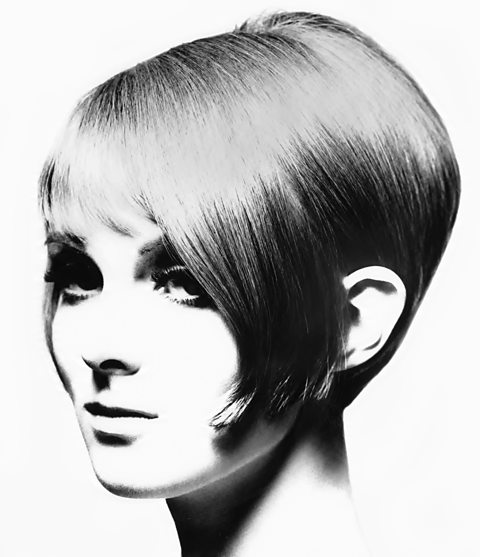
1963
Beehives become bobs!
The swinging sixties were exciting times: by the end of the decade, science would put man on the moon.
Back on Earth, the contraceptive pill had been invented and the sexual revolution was challenging traditional gender roles. While astronauts were preparing to travel to space, hairdressers were facing their own gravity issues: the tall beehive hairdo needed lots of backcombing and hairspray! In 1963 celebrity hairdresser Vidal Sassoon launched his geometric bob, ideal for busy modern girls. The bob would probably have been ideal for astronauts too, come to think of it…
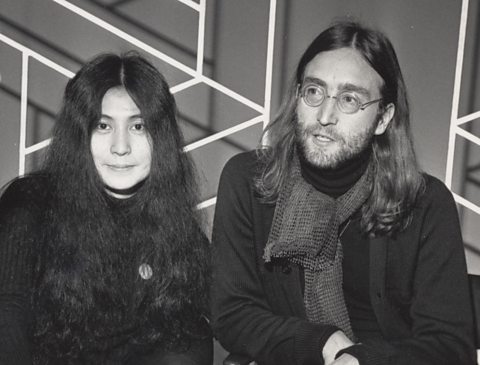
1967
The Summer of Love and hippy hair
In 1967, colour TV and Radio 1 launched. The summer of that year was dubbed the Summer of Love by the media thanks to a blossoming hippy culture.
The Beatles released their influential album Sgt Pepper's Lonely Hearts Club Band, sporting mop-top hair and moustaches. Through the late 1960s their look evolved as they experimented with music, spirituality and philosophy. Festivals starting in the UK and the USA reflected a growing hippy culture. For hippies, traditional grooming was out – girls went makeup-free and boys grew beards and straggly hair. It was all about the rejection of consumerism and embracing a look that celebrated nature.
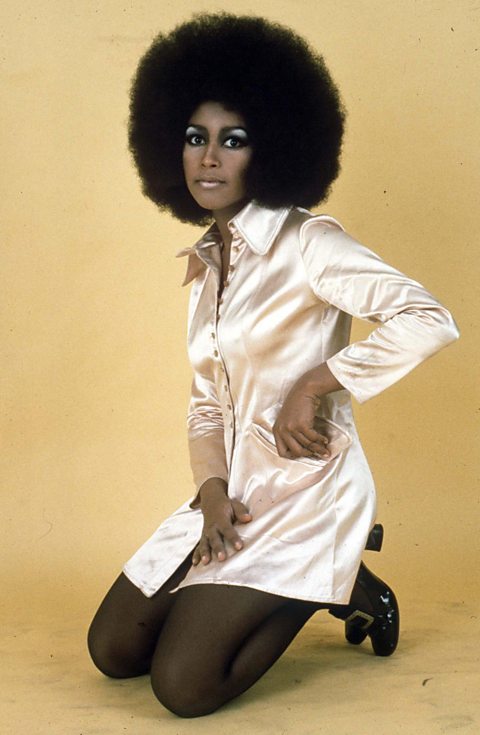
1968
The musical Hair hits Britain
Since WW2, new arrivals – many from the West Indies – had been invited to help rebuild Britain. They brought new fashions and foods with them.
In the USA, the ‘Black is Beautiful’ campaign celebrated ethnicity. As the civil rights movement grew, more natural hairstyles became fashionable. The Afro – natural hair grown long and combed out into a halo shape – became an expression of culture and identity. In 1968 the musical Hair opened in London. Its racially diverse cast included Marsha Hunt, whose image and hair became iconic. Her silhouette appeared on the publicity posters and in 1969 she made the cover of Vogue magazine.
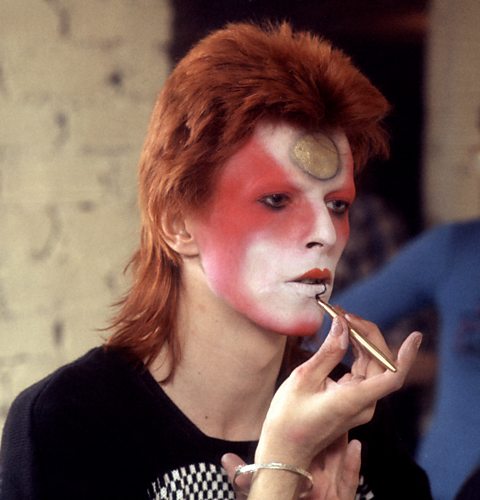
1970
Rock gods and pretty things
In 1970, British politician Barbara Castle introduced the Equal Pay Bill, later followed by the Sex Discrimination Act.
The 70s was the decade that would start to address inequalities. In music and fashion, gender boundaries were blurring as Britain went mad for the glam rock aesthetic. By 1972 David Bowie had created his alter ego Ziggy Stardust – a rock star character with influences from science-fiction to Japanese theatre. With striking dyed red hair that was long but shaped (as opposed to free-flowing hippy hair), the look was unlike anything you’d see on a wet Wednesday down at the local pub.
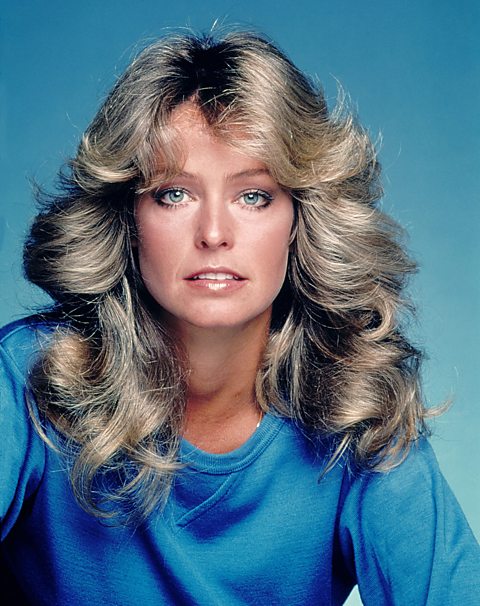
1974
Disco boys and curly girls
By 1974, a new dance music – disco – had spread from the nightclubs of the USA to land in the British charts. It was time to dance the night away!
Disco hair was big and wild, with stars like Donna Summer epitomizing the look. You didn’t have to be a disco queen to work wild hair though. In Britain, singer Kate Bush wore her hair long, curly or sometimes crimped. One of the most iconic women’s styles of the time was the ‘Farrah Flick’. American actress Farrah Fawcett-Majors, star of the original Charlie’s Angels TV series, had wild, layered hair. Curled and highlighted, her hair was every 70s girl’s dream, in the USA and Britain.
1976
Punk
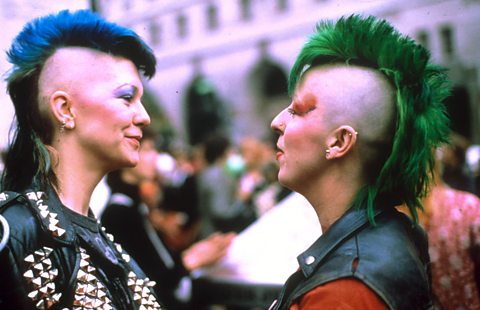
By the mid 70s, Britain was in the throes of economic despair and high inflation. In 1976 the Sex Pistols released their first single. Punk was born.
Punk brought with it the most shocking hairstyles imaginable. It was all about rebellion. Starched mohican hair and facial piercings were the ultimate in anarchic style after the curls and glitter of disco. Vivienne Westwood opened her boutique in London and ‘anti-fashion’ was the look. Punk hair was achievable without the expense of fancy hair salons. You could shave the sides of your head, do a home dye job and use household materials like soap and hairspray to engineer vertical spikes.
1981
Big hair rules
As the 80s dawned, Britain had its first female prime minister, Margaret Thatcher. Unemployment and strikes hit many, but the rich flashed the cash.
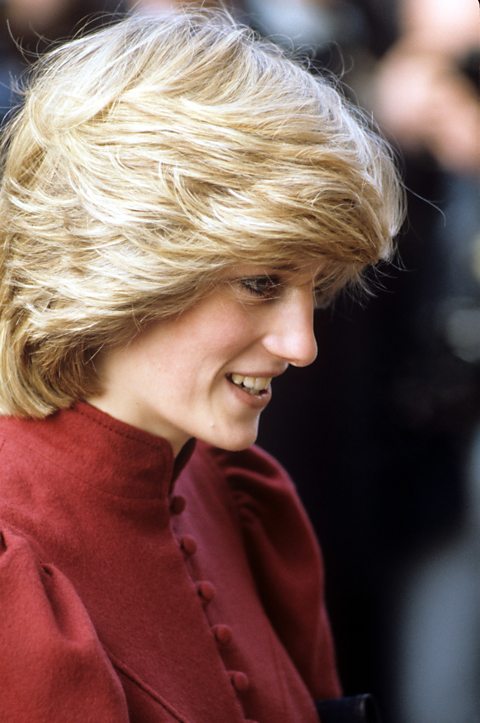
When Lady Diana Spencer married Prince Charles in 1981 a style icon was born. Diana’s hair was short and layered, swept across the forehead. British salons went mad for the style. American TV dramas like Dynasty brought the idea of power-dressing where in all things – from shoulder-pads to hair – it was a case of the bigger, the better! Bouffant hair was on trend for career women, but edgier girls followed the lead from pop stars like Bananarama and Madonna with their messy, backcombed hair.
1994
The Rachel
The early 1990s saw Britpop music make its mark with Oasis and Blur vying for chart dominance. In fashion, Kate Moss was the coolest new model.
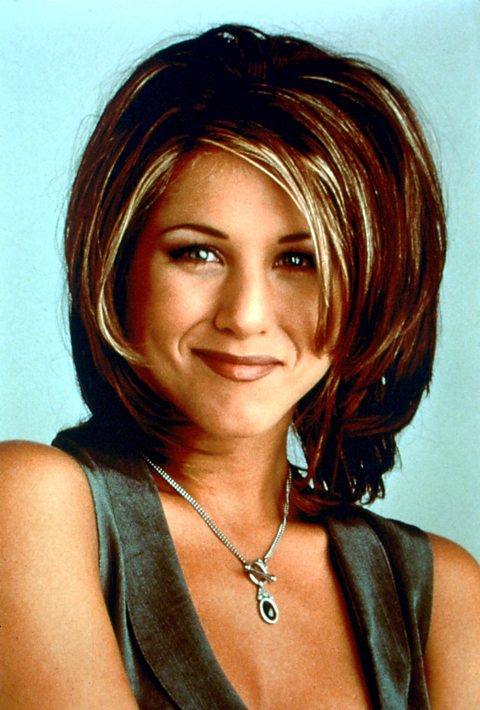
Different cultural ‘tribes’ had their own hairstyles, but one cut took the UK by storm – the American sitcom Friends was huge in Britain, with Jennifer Aniston’s character Rachel spawning a craze for the hairdo of the decade. The ‘Rachel’ was a bouncy mid-length layered style, and was copied by women across Britain. One person who was not a fan of the haircut was Aniston herself.
1997
Hair is power!
By 1997 Britain was on the brink of change. In May, Labour won the General Election and the nation had a new prime minister in Tony Blair.
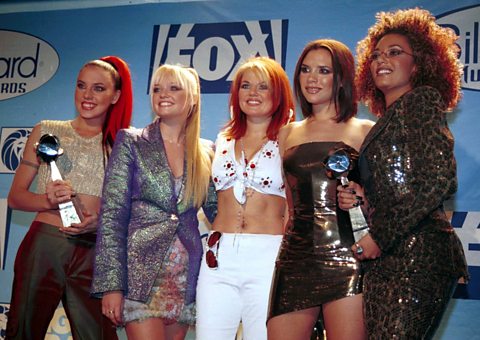
A new pop phenomenon had arrived and in 1997 they cemented their stardom. The Spice Girls each had a unique style – and hair! Victoria Adams’ slick bob was ‘Posh’; Emma Bunting wore cute ‘Baby’ bunches; Mel B’s wild hair was ‘Scary’ and Mel C’s ponytail matched her ‘Sporty’ persona. Geri Halliwell was ‘Ginger’ and proud. 1997 also saw the arrival of a new British icon in the form of a young wizard called Harry Potter. Was the tousled-haired superhero an early adopter perhaps of Geek Chic?
2006
Arrival of the WAG
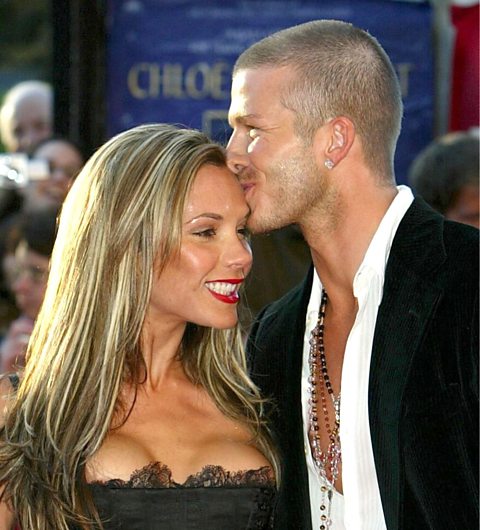
Since the 1990s, football stars’ salaries had risen along with their glamour: David Beckham had more hairstyles than Posh had hot dinners.
At the 2006 World Cup in Germany, a perfect storm was brewing: footie, fashion and hungry paparazzi. Victoria Beckham, Cheryl Cole and other so-called WAGs (wives and girlfriends) joined the lads in Germany and were all over the British press. The WAG trademark was ultra-glamorous long hair and conspicuous shopping – catnip to the press. British women copied this celebrity trend, and hair straighteners or even extensions became popular with younger women.
