The internet is full of cool things like videos, music, and pictures that you can enjoy, and there's more of them being added every second of every day.
You can share your own work too, like drawings, stories, or videos to watch the amazing creations of others. But just like your schoolwork belongs to you, other people's work belongs to them. So we're going to think about how to protect the things online that are yours, and how to best stay with the things online that aren't yours.
Can you guess which one I did?
Imagine you make a homemade smoothie using a special recipe. You worked hard to create. You choose your favorite ingredients. Mix everything just right. And when it's done, it tastes amazing. You're proud of it because it's your smoothie made with your special recipe. Now imagine if someone took your smoothie and claimed that they had made it without asking you. That wouldn't feel fair, would it? You worked hard on your recipe and it belongs to you.
The same thing can happen online if someone uses your work. Whether it's a drawing, a story, or a video without asking permission. It's like they're taking your creations and pretending they made them. Each piece of work online is unique, and it needs to be respected as the creator's own. And just like you wouldn't want someone taking credit for your smoothie, you shouldn't use someone else's work without giving them credit or asking first.
Yummy.
I don't know. My dragon drone doesn't look as cool as I hoped it would. Some say, wow, that one's amazing. Maybe I could just use this and say it's mine. It's not a big deal, right? I could post it as mine. It'd be so easy. I reckon I'd win the class prize too. But it is kind of like cheating in an exam. That's not fair to anyone. Especially the artist who created that amazing dragon.
Actually, this is pretty good. Ooh, I like it even more now. Well, it's all mine. Time to share the…
So when it comes to matters of online ownership and copyright, someone else's work like a photo or video, belongs to them. Using someone else's work as if it's yours. All without asking is unfair and can have consequences either. Also, permission or use things that are free to share. Whether it's a drawing or a story. You can put a username or nickname on it so others will know it's yours and can give you credit.
Okay. That's me done. Is there any of that smoothie left?
Video summary
- Emma-Louise Amanshia introduces the topic of 'copyright and ownership', explaining that the creative content that people post online belongs to them.
- The analogy of someone working hard to develop their own special smoothie recipe is used to highlight that you’d find it unfair if someone stole your recipe and said it was theirs.
- Dramatisation of a young person feeling unhappy with their online dragon illustration, considering using someone else’s illustration and submitting it as their own work, before deciding against it.
- Emma-Louise offers final top tips and advice.
Learning Objectives
Respect others’ work: Learn that just because something is on the internet doesn’t mean you can use it without permission. Someone else’s work, like a photo or video, belongs to them.
Don’t copy without asking: Understand that copying someone’s work without asking is unfair and can have consequences. It’s important to ask for permission or use things that are free to share.
Protect your creations: Know how to protect your own work online. Whether it’s a drawing or a story, you can put a username or nickname on it so others will know it’s yours and can give you credit.
Glossary
- Permission: when someone says something is okay to do.
- Credit: when you give credit to someone, this means you are saying well done to them for their work, and making sure that everyone knows that it was them that created it.
- Copyright: someone’s legal rights over the work they’ve completed or created.
- Ownership: when something belongs to you.
Topic introductions and starters
Before the video:
- Is it okay to copy or use someone else’s work online and pretend that you made it? Why/why not?
- What kind of things might people online pretend is theirs?
- How might someone feel if someone else uses their work online and pretends that it’s theirs?
After the video:
- How does the character feel about their dragon picture at the beginning?
- Why does the character think about using someone else’s picture for the class competition instead of their own?
- Why does the character decide not to use someone else’s work as their own?
- Why does the character end up feeling proud of their work at the end?
Activities:
- Draw your own picture of a fantasy creature and write an explanation of why you are proud of what you have created.
- Swap your fantasy creature with a partner. Write a comment on your partner’s fantasy creature, explaining what you like most about their picture, and share this feedback with them.
- Create a top tips poster, advising other young people about how to respect copyright and ownership online.
More from: Online safety
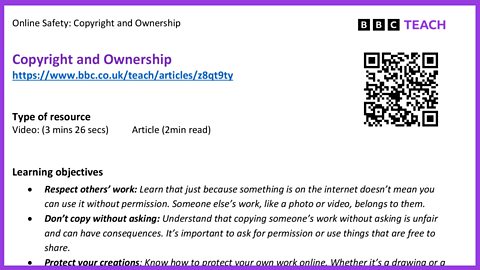
How to manage your online self-image and identity video
Introduces the topic of self image and identity online, giving examples of how someone might express themselves.
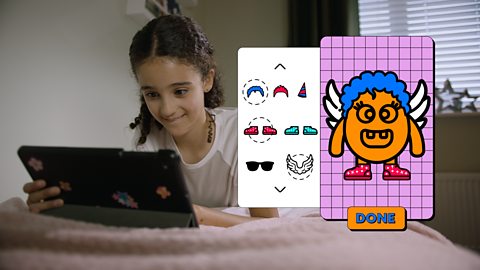
What are online relationships? video
Explains the different types of relationships we might have online, and some of the risks involved when talking to people online we don’t know.
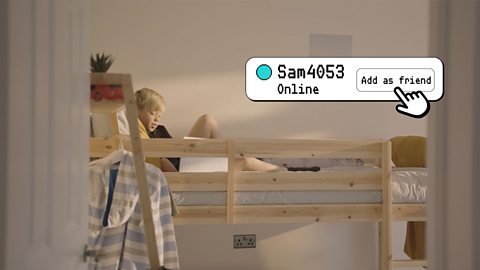
What is online reputation? video
Explains how the things we do online create a digital footprint, and the possible positives and negatives involved when leaving this footprint.
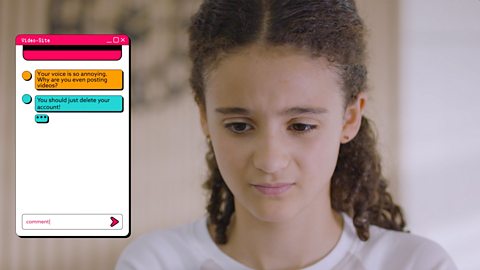
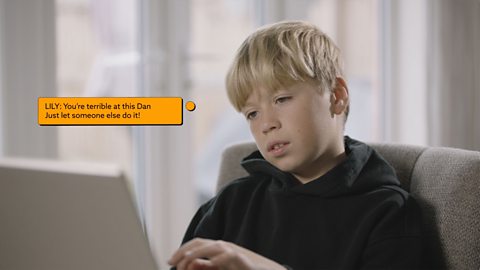
What is online bullying? video
Introduces the topic of online bullying and what this could look like, as well as giving some ideas of what to do if you encounter it.
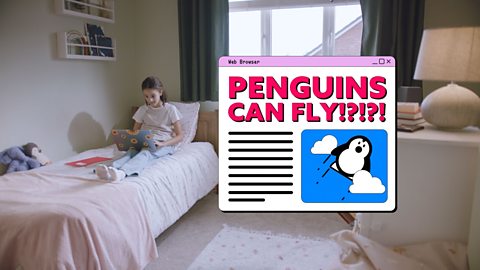
How to find reliable information online. video
An introduction to the topic of managing online information – discussing the positives and negatives.
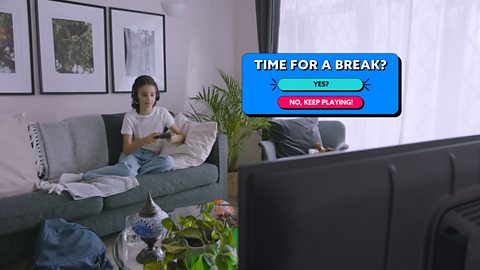
How to balance your screen time – health and wellbeing online. video
Explains that going online can have positive and negative impacts, so we need to balance our time online and offline.
How to keep your information safe online video
Introduces the topic of privacy and security, explaining that personal information shouldn’t be shared online and that passwords should be strong.
Scams: Safer Internet Day resources for 7-11-year-olds. video
Introduces the topic of scams, explaining that people online sometimes try to trick us into giving them personal information or money.
Phishing scams explained for 7-11-year-olds. video
Introduces the topic of phishing, explaining that it is when someone tries to trick you into giving out your personal details online, like passwords or bank information.