The depths at which people go to obtain your credit card details and secure information stoop as low as slashing open bin liners and obtaining your old receipts!
We need to be increasingly more careful at what we do with our old statements, receipts, transaction slips and even our cards themselves! What are the statistics? Well the government are rather worried. The estimated cost of fraud is around £1.4bn a year!
There are also a reported 50,000 cases of this type of crime in the last year alone. There has been a significant increase over the last five years.
BBC Midlands Today's Staffordshire reporter Liz Copper finds out how we can protect ourselves...
So what do you do? We've got some helpful hints that could reduce the risks of being ripped off.
1.) Once you've finished with letters that hold bank information, PIN numbers or other important documents - shred them!
2.) Be careful when giving out information on the telephone or internet.
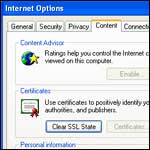
3.) Use secure sites. You can normally tell if a site is secure by checking their site certificate. You need to select this option from Tools > Internet Options > Content on your browser menu.
Most secure sites also have a padlock sign (see below) which indicates that they are safe to enter information. Your web browser might even ask you to click a box if wish to enter a site if the site's certificate is not up-to-date, or if there isn't a padlock icon.
4.) Check your credit report regularly (you may have to pay for this!)
5.) Check your receipts against your statements. Many fraud attempts take place over a sustained period to avoid obvious detection.