|
 |
 | | | You are in: Motorsport: Formula One |
|
| |  Thursday, 23 May, 2002, 10:23 GMT 11:23 UK Thursday, 23 May, 2002, 10:23 GMT 11:23 UK The magic of Monaco 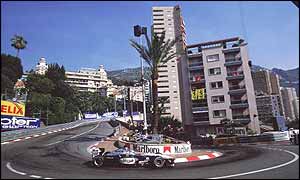 Monaco provides a unique challenge and experience
Ralf Schumacher likens driving a Grand Prix car around Monaco to trying to "fly a helicopter around your bedroom", and his brother Michael believes it is too dangerous for modern Formula One. The teams constantly complain about excessively cramped and awkward working conditions, and the amount of brazen opulence on show can take your breath away. And yet, almost in spite of itself, Monaco stands alone as by far the most prestigious and famous event on the F1 calendar - to the point that it has become synonymous with the sport. It is perceived to encapsulate F1 in a single race, highlighting in extremis the glamour and wealth of the most expensive sport in the world.
But in many ways Monaco is an anachronism that has nothing to do with what F1 has become in the modern age. The facilities are primitive and the track puts both drivers and spectators at a far greater risk than would be acceptable anywhere else in the world. And getting around the Mediterranean Principality at Grand Prix time is like trying to negotiate a maze. Monaco is allowed to continue largely because it is the place that everyone wants to come to watch F1 - and that includes the companies who part with millions in sponsorship. F1's god is Mammon, and he would go hungry without the draw of Monaco. But F1 without Monaco would be poorer in another way, too, because the event represents something increasingly rare - a true challenge for the best drivers in the world.
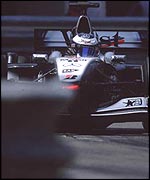
Watching a Grand Prix driver wrestle his 800bhp machine around the tight streets is an assault on all the senses. To see the drivers skim the barriers at 150mph, the deafening wail of the engines bouncing off the high-rise buildings all around, is to doubt the eyes and batter the ears. It brings a new awareness of what is possible with a combination of modern engineering technology and a blast of bravery and talent from the men behind the steering wheel. There is simply no sporting spectacle like it. The race might be boring - and it usually is because overtaking is all but impossible - but the drivers are so clearly working without a safety net that you can only stand in awe. The drivers themselves love it, yet even the best of them admit to being a little bit scared.
"In many ways, it's a strange thing. Probably, we think it is only one of 17 races on the calendar and that once a year we can take this sort of risk with all the necessary precautions. "You really have to avoid making any risky moves because the consequences can be serious." Schumacher enters this year's race chastened by the controversy of being handed victory in the last event in Austria by his Ferrari team-mate Rubens Barrichello. And yet this weekend will provide the world champion with the opportunity to show just why Ferrari imposed those orders in the first place. Pedastal Schumacher is gunning for his sixth win around the streets of Monaco, which would equal the record set by the late, great Ayrton Senna. Through a combination of talent, bravado, courage and delicacy of touch that no other driver can match, the German has made the event his own since the Senna's death in 1994. That is why Ferrari pay him $35m a year and devote all their efforts to him. And it is also the reason that - as long as Monaco allows Schumacher and drivers like him to showcase their talent - its faults will be overlooked, and it will continue to occupy its own pedastal within F1. | |
Top Formula One stories now:  Links to more Formula One stories are at the foot of the page. | ||||||||||||||||||||||||||||||||||||||||||||||||||||||||||||||||||||||||||||||||||||||||||||||||||||||||||||||||||||||||||||||||||||||||||||||||||||||||||||||||||||||||||||||||||||||||||||||||||||||||||
|  | | | | | ||||||||||||||||||||||||||||||||||||||||||||||||||||||||||||||||||||||||||||||||||||||||||||||||||||||||||||||||||||||||||||||||||||||||||||||||||||||||||||||||||||||||||||||||||||||||||||||||||||||||||
| |
|  E-mail this story to a friend E-mail this story to a friend |
| |
| Links to more Formula One stories |
| | | ||
 | ||||
 | | Back to top
| ||
| ------------------------------------------------------------ BBC News >> | BBC Weather >> -------------------------------------------------------------------------------- © MMIII | News Sources | Privacy |