Living in England in the 21st century, where we are able to enjoy good food and have a great deal of free time, it is hard to imagine a life where the opposite was the norm. Living in England in the 21st century, where we are able to enjoy good food and have a great deal of free time, it is hard to imagine a life where the opposite was the norm.
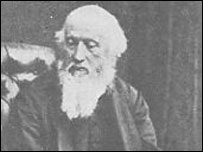
150 years ago it was certainly different. Here in Dorset, our ancestors were rather stoic yet, content with their lot. They had a dry sense of humour and enjoyed the parties, which were called 'randies', held in local barns and the big houses. Primarily, they had a great acceptance of life. WBs was T Hardy's mentors and in one of hardy's poems he writes that 'he never expected much', a true reflection of Dorset folk at that time.  | | Barnes enthusiast Devina Symes |
So what did Christmas mean in those days? With another year over, it was a time for thanksgiving and also a quieter time for nature and man. Christmas time was also for many, the first holiday since Good Friday, when, if they were seen in Church by the farmer at morning service, they could take the rest of the day off.
At Christmas the landowner or Squire gave his workers a party, this was a great event, especially if the squire was a kindly man, as is described in the poem Herrenston by William Barnes. In his later years WB became rector of Came near Dorchester, which had within its parish Herrenston and Monkton. All of Barnes' poems reflect rural life at that time, none more so than
Herrenston. Devina Symes Devina Symes |