 | | | | | | | ||||||||||||||||||||||||||||||||||||||||||||||||||||||||||||||||||||||||||||||||
| | |||||||||||||||||||||||||||||||||||||||||||||||||||||||||||||||||||||||||||||||||||||
|
Tamils protest UK deportations | |||||||||||||||||||||||||||||||||||||||||||||||||||||||||||||||||||||||||||||||||||||
Campaigners have been protesting in front of British Prime Minister's office urging UK to stop deporting Tamils to Sri Lanka fearing torture. Action Group of Tamil Asylum Seekers (AGTAS) accuse the British government of double standards in treating Tamil asylum seekers. Suthan, a member of AGTAS told BBC Sinhala service that it is important that the plight of those deported are properly documented before western governments send Tamil migrants back to Sri Lanka. "It is an injustice if UK does not properly maintain a system that monitors what happens to deportees," he told BBC Sandeshaya. The British government has expressed "shock" and called for an immediate inquiry after Channel 4 aired 'Sri Lanka's Killing Fields', a documentary that showed Sri Lanka soldiers allegedly committed war crimes. Double standards Foreign Office Minister Alistair Burt said "I was shocked by the horrific scenes".
Few days after, at least 26 Sri Lankans, mainly Tamils were sent back to Sri Lanka. "It seems to us that the British government, a champion of human rights, has two different policies on Sri Lanka," said Suthan. Hong Kong based Asian Human Rights Commission (AHRC) has meanwhile documented 1500 cases of torture in police custody since 1998 in Sri Lanka. Out of those 323 are of serious nature, according to the AHRC. "The most notable finding of this report is that almost all of the victims whose cases were summarised were randomly selected by the police to be arrested and detained for a fabricated charge," the report said. No violations 'in future' The watchdog also accused the two recent Attorneys General, CR de Silva and Mohan Peiris, of stopping referring police torture cases to special police unit formed for the purpose. The lack of effective investigative capacity by the human rights commission, absence of witness protection and the supremacy of the executive above the judiciary are main reasons highlighted by the AHRC for the lack of investigation on torture in Sri Lanka. Police in Sri Lanka admitted that there were 'lapses' in adhering to human rights standards. "There was a lack in training as the police had to be involved in the war," Police Spokesman Prishantha Jayakody told BBC Sandeshaya adding, "the police in future will not violate human rights". However, warning that the policing system in Sri Lanka has lost command responsibility, AHRC fears that failure to bring it back would result in the military stepping into the vacuum created by the collapse of the policing system. | LOCAL LINKS  Summons served on President Summons served on President18 June, 2011 | Sandeshaya Deported Tamils reach Sri LankaSandeshaya Lanka 'war crimes' film shown at UN03 June, 2011 | Sandeshaya Impunity prevails despite end of war - AI13 May, 2011 | Sandeshaya US accused of 'politicising' rights report10 April, 2011 | Sandeshaya Saudi employer questioned over "maid abuse"18 November, 2010 | Sandeshaya Sri Lanka Tamils fear UK deportationSandeshaya EXTERNAL LINKS The BBC is not responsible for the content of external internet sites | |||||||||||||||||||||||||||||||||||||||||||||||||||||||||||||||||||||||||||||||||||||
| ||||||||||||||||||||||||||||||||||||||||||||||||||||||||||||||||||||||||||||||||||||||
| ||||||||||||||||||||||||||||||||||||||||||||||||||||||||||||||||||||||||||||||||||||||









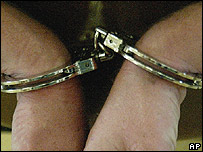
 The most notable finding of this report is that almost all of the victims whose cases were summarised were randomly selected by the police to be arrested and detained for a fabricated charge
