 | | | | | | | ||||||||||||||||||||||||||||||||||||||||||||||||||||||||||||||||||||||||||||||||
| | |||||||||||||||||||||||||||||||||||||||||||||||||||||||||||||||||||||||||||||||||||||
|
Two years since the end of war | |||||||||||||||||||||||||||||||||||||||||||||||||||||||||||||||||||||||||||||||||||||
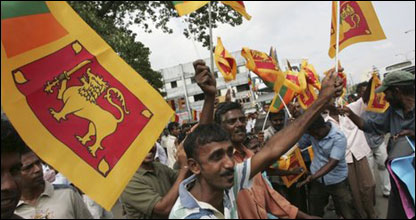
One of the bloodiest wars of modern times ended exactly two years ago when the Sri Lankan state vanquished its nemesis, the separatist Tamil Tigers. There had been 26 years of war and decades more of ethnic strife.
The Tamil Tigers were pioneers of suicide bombing, conscriptors of children and ruthless dictators. The Sinhalese-dominated state, on the other hand, has been accused of widespread torture and disappearances. Both sides stand accused of possible war crimes. Two years after the war ended, is the island truly at peace? Memories of the past In a big Colombo school, D.S. Senanayake College, boys are in high spirits as they play basketball in the playground. But in one corner is a grim reminder of the past: an atrocity committed by the Tamil Tigers or LTTE.
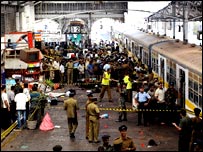
It is a memorial in black granite with carvings of two baseball bats. “In memory of the coach and the seven students of the DSS College Senior Baseball Team who were killed by a terrorist bomb on 3rd February 2008,” it reads. Champa de Silva, mistress in charge of baseball, had nurtured those 17- and 18-year-old boys since their infant years. Relaxed and happy She can barely talk of the moment when she heard that a bomb at the railway station had killed her colleague, and the lads – five Sinhalese, one Tamil and one Muslim.
“Actually it’s difficult to tell my feelings,” she says. “Because I introduced them to the game. Then, they were very small children. So after hearing about that incident I was shocked.” She is relieved that the Tamil Tigers are no more. "Now we feel very relaxed. We are very happy. We haven’t to face any terrible things,” she says. Prolonged Trauma Most Sri Lankans share that sense of relief, two years on. Some, though, are still ambivalent. M.A. Sumanthiran is an MP from the biggest Tamil party, the TNA, which was once a close ally of the Tigers but has since moderated its stance.
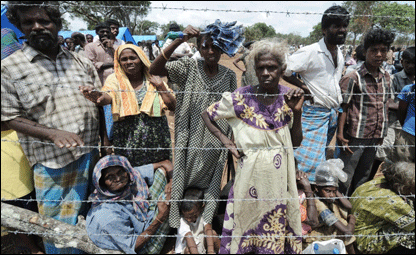
He says the end of the fighting is welcome. But he says Tamils, especially in the north and east, still suffer great trauma. “A number of people have lost their children, their parents, their siblings,” he tells the BBC. Waiting for the missing “Many more don’t know whether their near ones are dead or alive and they’ve been looking for them for the last two years and coming up with a blank wall.
"Apart from that, there are thousands of others who have lost limbs, who have been paralysed, and most of them have lost their dwelling houses and are living in shacks.” Last month a panel of experts, commissioned by Ban Ki-Moon, gave a shocking account of what it said were credible allegations of war crimes by both sides in the war’s endgame. Killing of civilians It said there was strong evidence that the Tigers killed civilians trying to escape their control; and that, in obliterating the militants, the government deliberately shelled hospitals, resulting, for instance, in the remains of babies being blasted into trees. International human rights groups say the culprits must be held accountable. Mr Sumanthiran agrees.
“Those who suffer from trauma ought to know that someone somewhere recognises, appreciates what they have gone through. You can’t even talk about reconciliation before that kind of sense comes upon them.” But the government of President Mahinda Rajapaksa says the report is false; even, that the military killed no civilians at all. Sinhala Buddhist Nationalism On a hot afternoon thousands of people can be seen staging a procession through Colombo celebrating 2,600 years since the Buddha’s Enlightenment.
There are dancers in dark blue and ivory; school pupils; drummers with the badge of the Sri Lankan Navy; and dozens of monks. The mood is exuberant. The folk dancing seems to merge, incongruously, with the rhythms of the military as some of the drummers clad in elaborate finery march forward. The Sinhalese people are mainly Buddhist; and with the war victory, fervent Buddhist nationalism is on the rise. Walking in the parade is a government minister, Dinesh Gunawardena. He says the UN-commissioned report contains untrue and “malicious” statements. No wrong done "Sri Lanka has the confidence that we have done no wrong; we have brought peace to our country and one of the most dangerous terrorist outfits to defeat.
“It is a victory not only for the Sinhalese or the government... Tamil leaders were killed by their own people. “We will bring hope and peace of prosperity.” The government says it is forging ahead with development in the north although with the BBC repeatedly refused access to the region, little can be seen at first hand. Civil society groups say the human rights situation is bleak all over the country, and point to unsolved attacks on dissenting media outlets.
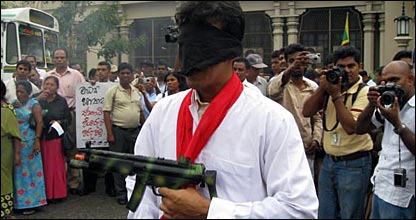
Lakshan Dias, a human rights lawyer, says freedom of expression is improving slightly but that people “still feel fear to express what they want to express. So there are a lot of things that we can’t talk about openly. Especially about what happened during the war. No freedom to express The people in the north and east – they have seen so many things but still they are not opening their mouth.” In Colombo and elsewhere, many ordinary Sri Lankans are taking advantage of peace, reaching out across the ethnic divide. The bereaved teacher at D.S. Senanayake College, Champa de Silva, has arranged a programme to introduce baseball to schools in the mainly Tamil north and has already been in discussions with the head-teachers of two Jaffna colleges. Friends again “It is as a friendship programme. Now we are friends,” she says. There are many others like her, seeking to reach out, and many people feel that bodes well for the long-term. But for now, war crimes allegations, counter-allegations and blanket denials by the popularly elected government cast a heavy shadow over this small country. | ||||||||||||||||||||||||||||||||||||||||||||||||||||||||||||||||||||||||||||||||||||||
| ||||||||||||||||||||||||||||||||||||||||||||||||||||||||||||||||||||||||||||||||||||||
| ||||||||||||||||||||||||||||||||||||||||||||||||||||||||||||||||||||||||||||||||||||||









 Now we feel very relaxed. We are very happy. We haven’t to face any terrible things
 India's frustration with Sri Lanka over Tamils