 | | | | | | | ||||||||||||||||||||||||||||||||||||||||||||||||||||||||||||||||||||||||||||||||
| | |||||||||||||||||||||||||||||||||||||||||||||||||||||||||||||||||||||||||||||||||||||
|
GSP+ removal 'not affected economy' | |||||||||||||||||||||||||||||||||||||||||||||||||||||||||||||||||||||||||||||||||||||
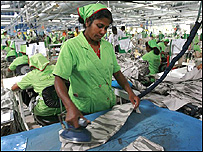
The removal of tax concessions for exports by the EU did not have an adverse affect on the economy, Sri Lanka's Central Bank says. Releasing its annual report, the Bank says the island nation's economy grew by an “impressive" eight percent during 2010. The report said that all key sectors of Sri Lanka’s economy demonstrated a commendable performance, last year. “The textile, wearing apparel and leather products category, which was adversely affected by the global economic crisis, showed signs of recovery during the last quarter of the year despite the withdrawal of GSP+ concessions effective from August 2010,” said the report. The EU withdrew the concessions in August, accusing Sri Lanka of failing to comply with agreed improvements to the human rights situation. Outlook Although the public investment marginally declined, the private investment “recovered from 17.9 per cent of GDP in 2009 to 21.6 per cent in 2010,” according to the report.
The Central Bank says that the agricultural exports continued to fetch high prices in the international market as a result of the increase in international commodity prices. Significant improvements in fiscal operations in 2010 helped contain the overall fiscal deficit at 7.9 per cent of GDP from 9.9 per cent in the previous year. In 2011, says the Bank, that the diversification of exports, in terms of products and markets, is needed to increase the resilience of the economy to external disturbances. “And to this end, the effective utilisation of existing bilateral and multilateral treaties and actively persuing the establishment of further trade relations with emerging regional markets as well as promoting private sector investment and strengthening the “Doing Business” environment are necessary,” it said. The report recommends changes to “support the ongoing fiscal consolidation process,” to strengthen demand management policies. “The impact of disturbances arising from adverse external developments including price movements of commodities such as crude oil, could also be lessened through the implementation of necessary reforms to the institutional framework of key public enterprises to operate them more efficiently and in a commercially sustainable way to reflect market conditions.” | LOCAL LINKS  Sri Lanka reforms tax to boost economy Sri Lanka reforms tax to boost economy22 November, 2010 | Sandeshaya Sri Lanka's fight against 'wheat terrorism'08 November, 2010 | Sandeshaya Lanka Bond issue oversubscribed 29 September, 2010 | Sandeshaya GSP concessions suspended 15 August, 2010 | Sandeshaya IMF says Lanka doing well 25 February, 2010 | Sandeshaya Sri Lanka grants economic zone to China01 July, 2009 | Sandeshaya EXTERNAL LINKS The BBC is not responsible for the content of external internet sites | |||||||||||||||||||||||||||||||||||||||||||||||||||||||||||||||||||||||||||||||||||||
| ||||||||||||||||||||||||||||||||||||||||||||||||||||||||||||||||||||||||||||||||||||||
| ||||||||||||||||||||||||||||||||||||||||||||||||||||||||||||||||||||||||||||||||||||||









 The impact of disturbances arising from adverse external developments including price movements of commodities such as crude oil, could also be lessened through the implementation of necessary reforms to the institutional framework of key public enterprises to operate them more efficiently and in a commercially sustainable way to reflect market conditions
